

- India,
- 24-May-2026 11:50 AM IST


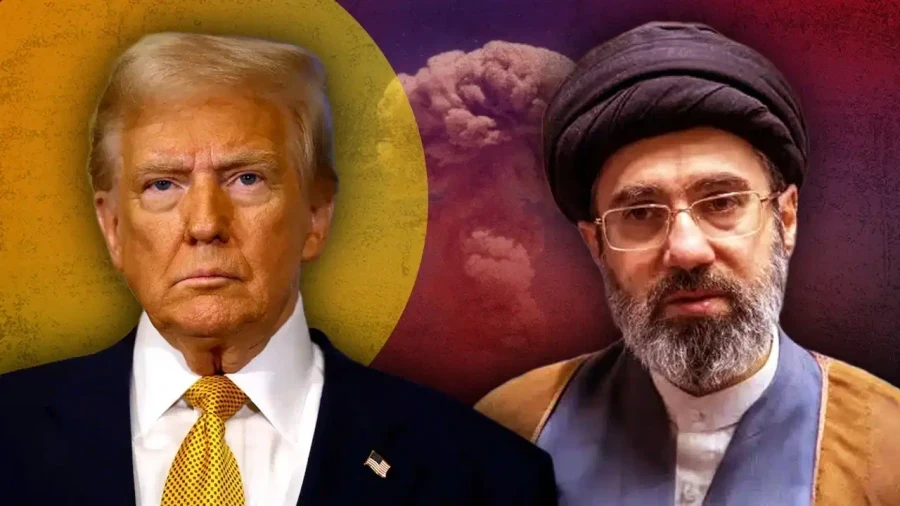
In a significant development that could alter the course of Middle Eastern geopolitics, Iran has reportedly agreed to surrender its stockpile of highly enriched uranium to the United States. According to a detailed report by The New York Times, Tehran is now prepared to relinquish its enriched uranium as part of a proposed peace agreement, a move that many international observers are characterizing as a major concession or a strategic surrender by the Iranian leadership. This breakthrough comes after a period of intense and volatile negotiations between Washington and Tehran over the future of Iran's nuclear program.
The Uranium Stockpile and the Proposed Agreement
The core of this potential deal revolves around Iran's 440 kg stockpile of highly enriched uranium. For a long time, the United States and its international allies have viewed this stockpile as a direct threat to global security, fearing it could be used to develop nuclear weapons. The New York Times report suggests that under the terms of the proposed arrangement, Iran would hand over this material, effectively neutralizing its immediate path to a nuclear bomb. While the exact mechanism for the transfer has not yet been finalized, officials indicate that discussions on the technicalities will commence once the formal agreement is signed. This step is seen as crucial for ending the long-standing confrontation between the two nations and restoring normal maritime traffic in the Strait of Hormuz.
Washington's Demands and Military Pressure
The issue of uranium enrichment has been a primary demand from Washington for years. Initially, Iran was resistant to including this topic in the first phase of negotiations, preferring to delay it for later discussions. However, American negotiators sent clear signals that if Tehran didn't show an early commitment on this issue, the United States might abandon the talks and resume military action. The pressure was further intensified by reports that the US military had prepared several options to target Iran's nuclear sites. These options included bunker buster attacks on the underground nuclear facility at Isfahan and joint commando operations involving US and Israeli forces. Although these plans didn't receive final approval, their existence underscored the seriousness of the American position.
The Scale of the Nuclear Threat
According to estimates from the International Atomic Energy Agency (IAEA), Iran possesses approximately 970 pounds of uranium that has been enriched to 60 percent. Israel has consistently claimed that if this uranium were to be enriched further, it could be used to produce multiple nuclear weapons. This perceived threat has been the driving force behind the continuous pressure from the US and its allies. One proposal currently under consideration is for Iran to hand over its uranium stockpile to Russia, a model similar to the one adopted during the 2015 nuclear deal implemented under the administration of former President Barack Obama.
Trump's Perspective and the Path Forward
US President Donald Trump recently claimed that an agreement to end the conflict is nearly finalized, while he stated that only the final terms and technical aspects remain to be discussed, describing the proposed arrangement as a memorandum of understanding for peace. According to sources, the draft agreement could include a formal declaration of the end of hostilities, the reopening of the Strait of Hormuz, and the commencement of new negotiations on Iran's nuclear program within the next 30 to 60 days. This follows a period of heightened tension that began on February 28 after strikes by the US and Israel. While a ceasefire has been in place since April, the situation remains sensitive. Iran continues to demand sanctions relief and access to its frozen assets abroad as part of any comprehensive settlement. The stability of the Strait of Hormuz remains a critical factor, as any disruption there continues to impact global oil markets and energy supplies.
