विज्ञापन

Trump considers US withdrawal from NATO, calls alliance a paper tiger

Trump considers US withdrawal from NATO, calls alliance a paper tiger
विज्ञापन

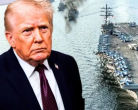
WASHINGTON — United States President Donald Trump has signaled a potential departure from the North Atlantic Treaty Organization (NATO), the world's most prominent military alliance, while in an interview conducted on Wednesday, 1 April, Trump stated that he's seriously considering withdrawing the United States from the treaty. He emphasized that a final decision regarding the future of the US-NATO relationship will be announced following the conclusion of the ongoing conflict with Iran, while trump characterized the alliance as a "paper tiger," questioning its strategic relevance in the current geopolitical climate. This development follows remarks by Secretary of State Marco Rubio, who also suggested a comprehensive review of the transatlantic partnership.

Trump Critiques NATO Efficacy and Commitment

Speaking with the Daily Telegraph, President Trump expressed long-standing dissatisfaction with the organizational structure of NATO. He asserted that he has never been a proponent of the alliance and believes that the time for serious deliberation regarding continued membership has arrived. According to Trump, the alliance lacks the necessary resolve to address modern security challenges, rendering it ineffective on the global stage. He noted that the decision to exit isn't one that requires extensive further debate, but rather a strategic conclusion that will be formalized once the hostilities in the Middle East subside. His description of NATO as a "paper tiger" suggests a perceived gap between the alliance's theoretical strength and its practical application.



Disparity in Support Between Ukraine and Iran

A central theme of Trump's critique involved the comparison between the conflict in Ukraine and the current situation with Iran. Trump argued that while the war in Ukraine was fundamentally a European security issue, the United States provided unprecedented levels of military and financial aid to support the region. However, he pointed out that when the United States sought reciprocal support regarding Iran, European allies chose to distance themselves. Trump stated that the US has been left to manage the Iranian front independently, which he views as a betrayal of the collective defense principles that NATO is supposed to uphold. He further claimed that Russian President Vladimir Putin is aware of these internal divisions, leading Moscow to dismiss the alliance's deterrent capabilities.

Diplomatic Friction with United Kingdom Leadership

During the interview, President Trump directed specific criticism toward British Prime Minister Keir Starmer and the state of the United Kingdom's military. Trump characterized the British Royal Navy as "obsolete" and suggested that the UK no longer possesses the naval power it once held. He also dismissed Prime Minister Starmer's focus on domestic energy policies, suggesting that such initiatives do little to contribute to global security or the strength of the alliance. Trump indicated that he no longer intends to offer counsel to the British leadership, stating that they must navigate their own path. These comments highlight a significant cooling of the "special relationship" traditionally maintained between Washington and London.

European Nations Distance Themselves from Conflict

In response to the escalating rhetoric, Prime Minister Keir Starmer addressed the British public, clarifying that the conflict with Iran isn't a British war. Starmer emphasized that his primary responsibility is the welfare of his own citizens and that he wouldn't involve the UK in a military engagement that doesn't directly serve national interests. This sentiment is echoed across other major NATO member states. France, Germany, and Italy have also signaled their reluctance to join the US-led efforts against Iran, framing the conflict as a localized issue involving Israel. By categorizing the war as "Israel's war," these nations have effectively opted out of the military coordination requested by the Trump administration.

Marco Rubio and the Review of Treaty Obligations

The potential for a US withdrawal is being supported by internal administrative reviews led by Secretary of State Marco Rubio. Rubio has publicly called for a reassessment of the terms governing the US relationship with NATO. The administration's perspective is that many member states aren't meeting their defense spending obligations, placing a disproportionate burden on American taxpayers and military resources. The proposed review aims to determine whether the 75-year-old treaty still aligns with the national security priorities of the United States. As the Iran conflict continues to shape global alliances, the outcome of this review could lead to the most significant shift in international defense policy since the end of the Cold War.

विज्ञापन