

- India,
- 05-Jan-2026 02:02 PM IST


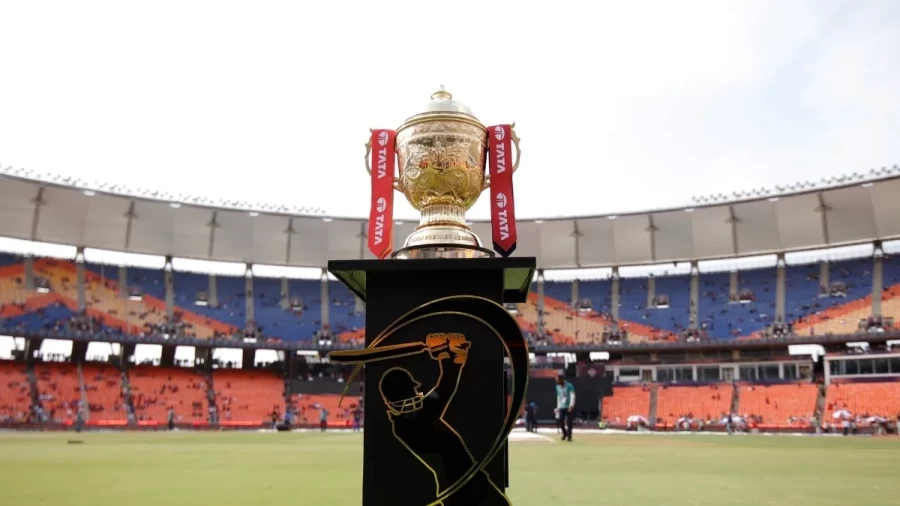
The Bangladesh government has imposed an immediate ban on the broadcast of the Indian Premier League (IPL) within the country. This directive, issued by the Ministry of Information and Broadcasting on Monday, cites the Board of Control for Cricket in India's (BCCI) decision to exclude star Bangladeshi cricketer Mustafizur Rahman from the Kolkata Knight Riders (KKR) team for the upcoming IPL season as the primary reason. The ministry stated that the decision to drop Rahman lacked 'solid or logical. Reason' and was deemed 'insulting, unfortunate, and deplorable' for the people of Bangladesh. Consequently, all promotion, broadcast, and re-broadcast of IPL matches are to be halted until further notice. This move highlights a growing strain in relations between the two nations, extending from the cricket field to political spheres.
IPL Broadcast Ban: A Response to Perceived Disrespect
The Ministry of Information and Broadcasting in Bangladesh issued an official letter on January 5, instructing television channels to immediately cease the broadcast of the Indian Premier League (IPL), while the letter explicitly stated that this decision was a direct consequence of the BCCI's choice to exclude Bangladeshi star cricketer Mustafizur Rahman from the Kolkata Knight Riders team for the upcoming IPL season. The ministry emphasized that no valid justification was provided for Rahman's exclusion, which has caused significant distress and anger among the Bangladeshi populace. In light of this situation, the ministry directed all television channel officials to. Immediately halt the broadcast of all IPL matches and related programs until further orders. This action underscores Bangladesh's assertion of national pride and demand for respect. Towards its players, which it feels has been undermined by the BCCI's decision.
T20 World Cup Boycott: Shifting the Battleground
Preceding the IPL broadcast ban, on Sunday, January 4, the Bangladesh Cricket Board (BCB) officially. Announced its refusal to send its team to India for the T20 World Cup 2026. The BCB released a media statement to this effect and simultaneously requested the International Cricket Council (ICC) to relocate all of Bangladesh's matches to Sri Lanka. This is a significant development that could further exacerbate the already strained relationship between India and Bangladesh. Bangladesh was initially scheduled to play its first three league stage matches of the T20 World Cup 2026 in Kolkata, with the fourth league stage match slated for Mumbai. The BCB's decision clearly indicates that the prevailing political and diplomatic tensions between the two countries are now directly impacting sporting relations, raising questions about the future of bilateral cricket engagements.
Underlying Political Tensions: A Strained Relationship
These cricketing decisions are notably set against a backdrop of tense political relations between India and Bangladesh. The situation has been particularly strained since the ousting of Bangladesh's Prime Minister Sheikh Hasina, who subsequently sought refuge in India in August of the previous year following anti-government protests, while since then, anti-India protests have been ongoing in Bangladesh, further exacerbating the existing deadlock between the two nations. The actions taken by the Bangladesh government and its cricket board aren't merely isolated sporting decisions but are seen as a manifestation of deeper political discontent and national sentiment, fueled by growing resentment towards India, while this complex interplay of politics and sports underscores the fragility of diplomatic ties in the region.
Pakistan's Precedent: A Regional Trend
Bangladesh's stance sets a significant precedent in regional cricket, as Pakistan had already moved its T20 World Cup matches to Sri Lanka, while due to long-standing political disputes between India and Pakistan, both teams refrain from playing cricket in each other's countries. India notably refused to play its Champions Trophy matches in Pakistan last year, and now Pakistan won't play its T20 World Cup matches in India, while even the highly anticipated India-Pakistan match is scheduled to be played in Colombo, Sri Lanka. If Bangladesh's matches are also shifted to Sri Lanka, it would mark the second. Team to refuse to play a World Cup in India due to political disagreements. This trend poses a considerable challenge for the International Cricket Council, which must navigate political. Tensions while organizing major tournaments, potentially leading to more requests for neutral venues in the future.
T20 World Cup 2026: A Challenging Road Ahead for Bangladesh
The T20 World Cup 2026 group stage comprises a total of 20 teams, divided into 4 distinct groups. Each team is slated to play 4 league matches within its group, with the top two teams from each group advancing to the Super-8 stage. Bangladesh has been placed in Group C, which, along with Afghanistan's Group D, appears to be the most challenging. This group includes cricketing powerhouses such as England, West Indies, South Africa, and New Zealand. All four of these teams have prior experience playing in World Cup finals, whereas Bangladesh and Afghanistan have never reached a World Cup final. Consequently, the tournament was already set to be a formidable challenge for Bangladesh. The added layer of refusing to play in India and demanding a shift of matches to Sri Lanka could further impact the team's preparation and morale, while it remains to be seen how the ICC will address this complex situation and whether Bangladesh's demands for venue changes will be accommodated.
