

- India,
- 23-Jan-2026 07:00 PM IST
- (Updated 23-Jan-2026 03:31 PM IST)


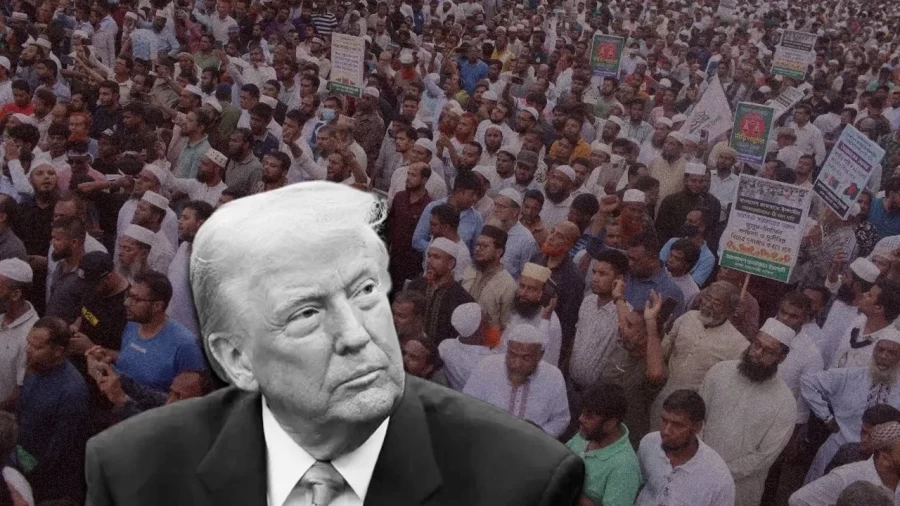
The political landscape of Bangladesh is witnessing a seismic shift as the country prepares for the parliamentary elections scheduled for February 12, while amidst the rising heat, a startling revelation has emerged regarding the United States' potential involvement and its shifting stance towards local political factions. According to a detailed report by the Washington Post, US diplomats are reportedly increasing their engagement with Jamaat-e-Islami, the country’s largest Islamist party, which was previously sidelined during the tenure of ousted Prime Minister Sheikh Hasina.
The Washington Post Disclosure
The report cites a leaked audio recording from a closed-door meeting held on December 1 in Dhaka. During this session with female Bangladeshi journalists, a high-ranking US diplomat allegedly remarked that Bangladesh has fundamentally shifted in an 'Islamic direction. ' The diplomat predicted that Jamaat-e-Islami would perform exceptionally well in the upcoming February 12 polls, stating, 'We want them to be our friends. ' While the diplomat's identity remains protected for security reasons, the implications. Of these words have sent ripples through the diplomatic corridors of South Asia.
From Sharia to Soft Image: Jamaat's Shift
Jamaat-e-Islami has a complex and often controversial history in Bangladesh, while the party has faced multiple bans and its leadership has been embroiled in legal battles over historical war crimes. Traditionally, the party advocated for governance under Sharia law and proposed restrictive policies for women. However, in a strategic pivot, Jamaat has recently attempted to soften its public image. The party now claims its primary focus is on eradicating corruption and ensuring good governance. Spokesperson Mohammed Rahman has stated that the party currently has no plans to implement Sharia law, aiming instead to appeal to a broader voter base frustrated with the previous administration.
Impact on India-US Relations
Michael Kugelman, a senior fellow for South Asia at the Atlantic Council, suggests that the US outreach to Jamaat-e-Islami could create a significant rift between Washington and New Delhi. India has long viewed Jamaat as a pro-Pakistan entity and a threat to its regional security strategy. For years, New Delhi has supported secular forces in Bangladesh to maintain stability along its borders. Kugelman notes that this development comes at a time when India-US ties are already facing challenges due to India's purchase of Russian oil and ongoing trade disputes. A resurgence of Jamaat, backed by US diplomatic recognition, could. Be seen as a direct challenge to India's strategic interests.
US Embassy's Official Stance
In response to the report, Monica Shie, a spokesperson for the US Embassy in Dhaka, clarified that the December meeting was a routine, off-the-record interaction with local journalists, while she emphasized that the US doesn't endorse any specific political party and remains committed to working with whichever government the Bangladeshi people elect. Despite these assurances, the leaked comments regarding 'friendship' with an Islamist party have raised questions about Washington's long-term goals in the region, while as February 12 approaches, the world watches closely to see if this diplomatic 'fielding' will change the face of Bangladeshi politics forever.
