

- India,
- 14-Jan-2026 07:10 PM IST


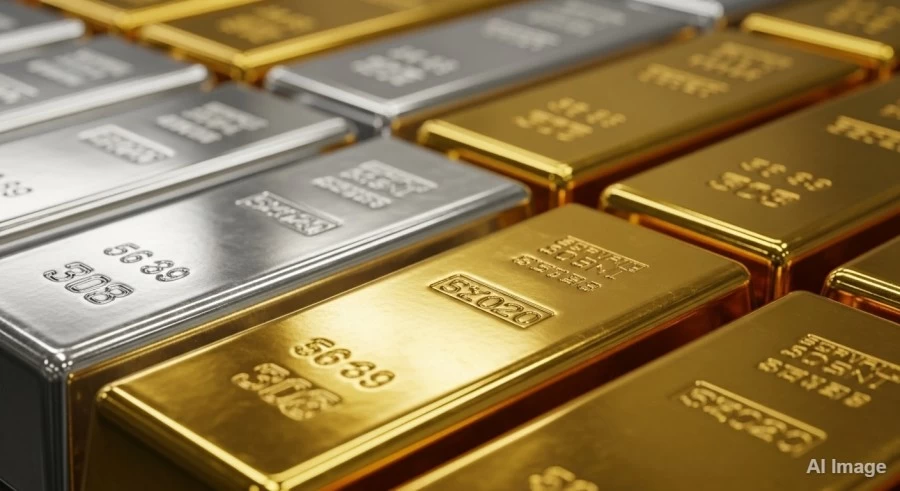
On January 14, the Indian bullion market witnessed an unprecedented surge in the prices of both gold and silver, reaching their all-time high levels. This remarkable rally, according to the India Bullion and Jewellers Association (IBJA), marks the third consecutive day of record-breaking prices for these precious metals, captivating the attention of investors and consumers alike.
Silver Prices Witness Record Surge
Silver prices experienced a significant jump today. The cost of one kilogram of silver increased by a substantial ₹14,480, pushing its price to a new all-time high of ₹2,77,512 per kilogram, while this latest surge has surpassed yesterday's record high of ₹2,63,032. Over the past three days, silver has become more expensive by over ₹34,000, indicating solid demand and market volatility. This sustained upward trend positions silver as an attractive investment option for many, while simultaneously raising concerns for consumers.
Gold Also Reaches New Peak
Gold prices, too, ascended to an all-time high today. The rate for 10 grams of 24-carat gold opened at a record ₹1,42,152. Although it saw a slight dip during the day's trading, it ultimately closed at ₹1,42,015, marking an increase of ₹1,533. Yesterday, its price stood at ₹1,40,482 per 10 grams. This continuous rise in gold prices reflects global economic uncertainties and the growing interest of investors seeking safe-haven assets.
Why City Rates Differ
The gold prices released by IBJA don't include the 3% Goods and Services Tax (GST), making charges, or the jeweler's margin. This is the primary reason why the retail prices of gold and silver vary across different cities in the country compared to the rates announced by IBJA. These IBJA rates serve as a crucial benchmark, utilized by the Reserve Bank of India (RBI) for setting the rates of Sovereign Gold Bonds and by various banks for determining gold loan rates. Consequently, when purchasing jewelry, consumers typically pay more due to these additional charges.
Historic Price Increase for Gold and Silver in 2025
In the past year, specifically in 2025, both gold and silver prices have shown a remarkable increase. The price of 24-carat gold surged by ₹57,033 (75%). On December 31, 2024, 10 grams of 24-carat gold was priced. At ₹76,162, which then rose to ₹1,33,195 by December 31, 2025. During the same period, silver prices also escalated Notably by ₹1,44,403 (167%), while a kilogram of silver, which cost ₹86,017 on December 31, 2024, reached ₹2,30,420 by the last day of 2025. This substantial growth clearly indicates a burgeoning trend in investments in these precious metals.
Key Reasons for Gold's Rally
Several global and economic factors are contributing to the current rally in gold prices. Firstly, the prospects of interest rate cuts in the United States have weakened the dollar. A weaker dollar makes gold cheaper for investors holding other currencies, thereby boosting demand. Secondly, the ongoing Russia-Ukraine conflict and escalating geopolitical tensions worldwide have pushed investors towards safer investment options, while in such uncertain times, gold is traditionally considered the ultimate safe haven asset. Thirdly, countries like China are actively increasing their gold reserves in their central banks, while these nations are collectively purchasing over 900 tons of gold annually, which Importantly drives up global demand and, consequently, its prices.
4 Ways to Identify Real Silver
The surge in silver prices is also attributable to specific factors. The foremost reason is its escalating industrial demand. Silver is no longer confined to jewelry; it has become an essential raw material in industries such as solar panels, electronics, and electric vehicles (EVs), while the rapid growth in these sectors has led to a substantial increase in silver consumption. Secondly, there is a noticeable trend among American companies to stockpile large quantities of silver, driven by fears of potential tariff policies under a possible Donald Trump administration.
This has led to a reduction in global supply and an upward push in prices. Thirdly, manufacturers are proactively purchasing silver in advance due to concerns about potential production halts, which is diminishing. Its availability in the market and is expected to sustain the upward trend in prices in the coming months. Given the increasing prevalence of counterfeit silver in the market, it's crucial to be able to identify genuine silver, while several simple tests can be performed for this purpose. First, the Magnet Test: Real silver isn't attracted to a magnet. If your silver sticks to a magnet, it's likely fake, while second, the Ice Test: Place a piece of ice on the silver. Ice will melt very quickly on real silver because silver is an excellent thermal conductor.
Third, the Smell Test: Real silver has no odor, while if you detect a metallic smell, similar to copper, from your silver, it might be fake. Fourth, the Cloth Test: Rub the silver against a white cloth. If a black mark appears on the cloth, it indicates genuine silver, as silver oxidizes when exposed to air, while these methods can help you verify the purity of your silver.
