

- India,
- 10-Jan-2026 09:03 AM IST


The Bangladesh Nationalist Party (BNP) has announced a significant leadership. Transition following the demise of its former Chairperson, Begum Khaleda Zia. Tarique Rahman, Khaleda Zia's son, was appointed the new Chairman of the party on Friday, January 9, 2026. This appointment comes just ahead of crucial elections in Bangladesh, where Rahman is being eyed as a prominent contender for the Prime Minister's office.
A New Era for the BNP
This appointment marks the beginning of a new era for the Bangladesh Nationalist Party, while khaleda Zia, who served as Bangladesh's Prime Minister three times, left behind a substantial political legacy. Her passing created a significant void within the party, which moved swiftly to address the leadership vacuum. This prompt decision underscores the party's determination to ensure continuity and stability ahead of the critical national elections.
Khaleda Zia's Enduring Legacy
Begum Khaleda Zia's death on December 30, 2025, after a prolonged illness, marked the end of an era in Bangladeshi politics, while as a towering figure, she had led the BNP for decades and served as Prime Minister on three separate occasions, profoundly shaping the nation's political landscape. Her absence is deeply felt by party loyalists and the broader electorate, making the succession plan all the more critical in the current political climate.
Unanimous Decision by the Standing Committee
The decision to appoint Tarique Rahman was made unanimously by the BNP's National Standing Committee during a meeting held on Friday, January 9, 2026, while this consensus reflects the party's internal cohesion and strong support for Rahman's leadership. The party's constitution provides for such a mechanism to fill vacant top positions, ensuring a smooth and legitimate transition of power within the organization.
The Announcement by the Secretary General
Mirza Fakhrul Islam Alamgir, the Secretary General of the Bangladesh Nationalist Party, formally announced Rahman's appointment to the media after the committee meeting, while his statement confirmed the party's official stance and communicated the leadership change to the public and political observers. This official declaration was crucial for establishing the legitimacy of the new chairmanship and informing the nation of the party's future direction.
Return from Self-Exile
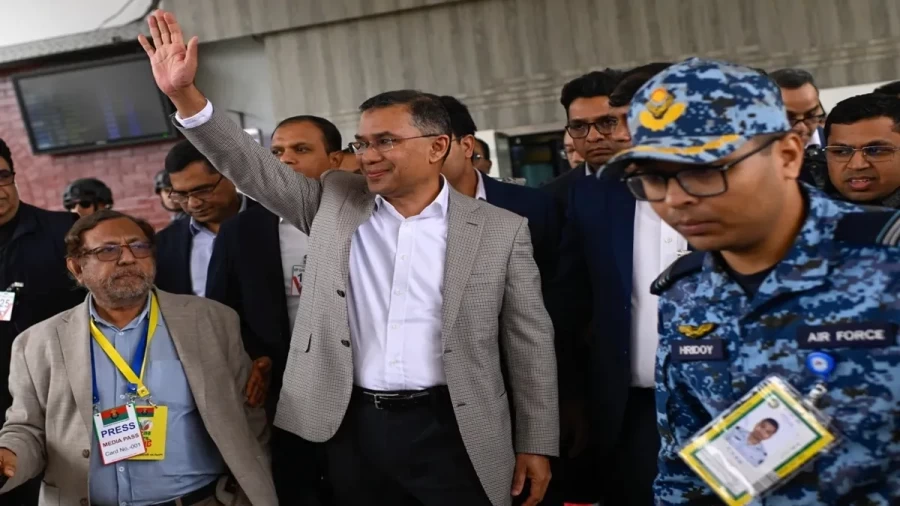
Tarique Rahman's return to Bangladesh from 17 years of self-exile in London prior to his appointment is a pivotal aspect of this development, while his physical presence in the country is expected to energize the party's base and provide direct leadership during the intense election campaign period. His long absence had left a void, which his return. Now seeks to fill, bringing renewed vigor to the party's efforts.
A Career in Party Politics
Rahman's journey within the BNP has been a gradual ascent through its ranks, while he was first appointed as the Senior Joint Secretary General of the party in 2002, demonstrating his early involvement in party affairs and his commitment to its objectives. Later, in 2009, he rose to the prominent position of. Senior Vice Chairman, further solidifying his standing within the party hierarchy. This progression indicates a deep understanding of the party's structure and operational dynamics.
From Acting to Official Chairman
Prior to his official appointment, Tarique Rahman had been serving as the Acting Chairman of the BNP. This interim role allowed him to maintain a leadership presence and guide the party's activities, particularly during his mother's illness and subsequent passing. His transition from acting to official chairman signifies a full. Mandate from the party, entrusting him with complete authority and responsibility. At 60 years old, Tarique Rahman is now widely regarded as a prominent contender for the Prime Minister's office in the upcoming February elections. His leadership comes at a critical juncture, with the party poised to potentially reclaim power. His candidacy brings a fresh dynamic to the electoral race, appealing to a generation of voters looking for new leadership and a change in governance.
The Political Landscape and Awami League's Exclusion
The upcoming February elections are set against a unique and highly significant political backdrop. The Bangladesh Nationalist Party finds itself in a strong position, largely due to the fact that the Awami League party, led by former Prime Minister Hasina, has been barred from contesting the elections, while this unprecedented development removes a major political rival, clearing a potentially advantageous path for the BNP.
Implications for Bangladesh's Future
This leadership transition within the BNP, coupled with the exclusion of the Awami League from the electoral process, has profound implications for the future political direction of Bangladesh, while tarique Rahman's chairmanship and his potential premiership could usher in a new era, with different policy priorities and governance approaches. The nation watches keenly as these developments unfold, anticipating the significant impact on its democratic trajectory and socio-economic landscape.
