

- India,
- 17-Nov-2025 07:51 AM IST


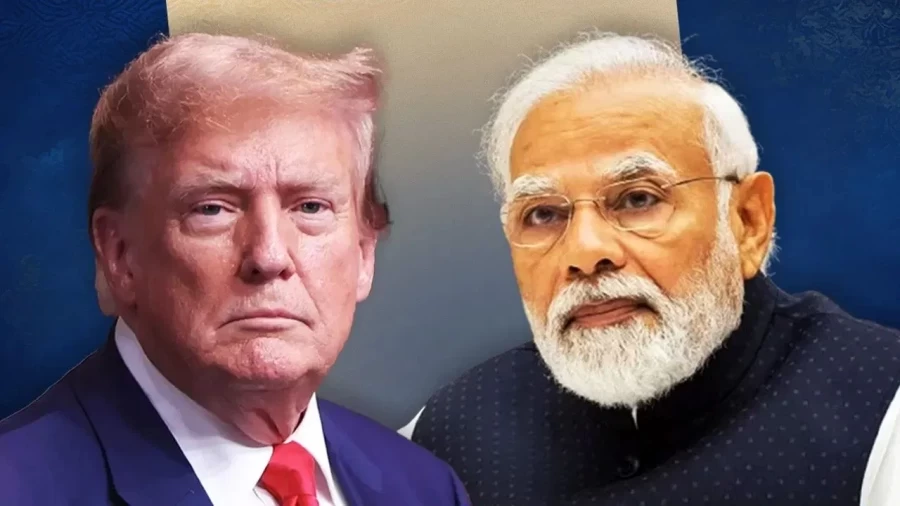
US President Donald Trump has announced a significant economic relief for India, deciding to reduce tariffs on Indian spices, tea, and a range of other agricultural products. This pivotal decision comes at a time when the United States is grappling with escalating inflation, a situation that has led to considerable voter dissatisfaction and contributed to the Republican Party's recent losses in by-elections. The move is expected to greatly benefit Indian spice traders and tea producers, providing a much-needed boost to India's agricultural exports to the American market.
Key Products Benefiting from Tariff Reductions
The Trump administration has opted to ease import duties on approximately 200 food, agricultural, and agri-related products. Among the products slated for tariff reduction are several significant Indian exports, including a diverse array of spices such as black pepper, cloves, cumin, cardamom, turmeric, and ginger, all of which are vital components of India's agricultural economy. Also, various types of tea, mango products, and nuts like cashews are also part of this relief package. In 2024, India exported over $500 million worth of spices to the US, while tea and coffee exports amounted to approximately $83 million. Globally, the US imported cashews worth $843 million, with roughly one-fifth originating. From India, underscoring the importance of these tariff adjustments for Indian exporters.
Economic Imperative: Battling US Inflation and Voter Discontent
This decision is largely seen as a direct response to the mounting pressure on the US government due to rising inflation and trade tensions within the American economy, while the imposition of tariffs had previously led to a significant increase in inflation and exacerbated trade tensions in the US, fueling widespread public discontent. In an effort to address public anger over escalating prices, President Trump has also proposed issuing $2,000 checks using tariff revenue and initiating an investigation into the meatpacking sector. While Trump maintains that his tariff regime didn't contribute to increased domestic costs, US industry groups. And policy reviewers have welcomed this rollback, indicating a differing perspective on the economic impact of the tariffs.
Exclusions and Unresolved Trade Barriers
According to officials in New Delhi, approximately 50 processed food categories are anticipated to be the primary beneficiaries of this decision. These categories, which had an estimated export value of $491 million last year, include coffee and tea extracts, cocoa-based products, fruit juices, pulp products, mango-derived items, and vegetable waxes, while the spice sector, a vibrant and significant component of India's agricultural exports, is poised to receive substantial benefits, with an estimated value of $359 million. Plus, 48 types of fruits and nuts, including coconuts, guavas, mangoes, cashews, bananas, betel nuts, and pineapples, will also benefit, although their export value was comparatively lower at approximately $55 million. Overall, this revised list encompasses about one-fifth of India's $5. 7 billion agricultural exports and roughly 40% of India's total merchandise exports, which were valued at $86 billion last year. An Indian government official stated in a media report that these cuts would provide a level playing field for these agricultural exports, which were previously at a disadvantage due to higher tariffs compared to their competitors. Despite the broad scope of this relief, it's important to note that it doesn't extend to all of India's major agricultural-related revenue-generating products. High-value shipments of shrimp, other seafood varieties, and Basmati rice have been excluded from these tariff reductions. Besides, Indian gems, jewelry, and apparel continue to face substantial 50% US tariff barriers, a situation that's expected to persist until a comprehensive trade agreement is reached between the two nations, while trump has explicitly linked this broader agreement to New Delhi curbing its imports of Russian oil and increasing its purchases of US energy, highlighting the complex interplay of geopolitical and economic factors in the bilateral trade relationship. In total, these tariff exemptions will apply to approximately $1 billion. Of India's eligible agricultural exports, representing a significant yet partial relief package.
Conclusion: A Strategic Move with Bilateral Implications
Donald Trump's decision serves a dual purpose: to address the domestic economic challenges in the United States, particularly concerning inflation and voter sentiment, while simultaneously offering significant trade relief to India. This move is a welcome development for Indian agricultural exporters, as it's expected to enhance their competitiveness in the American market, while however, the exclusion of certain key products and the conditional nature of a broader trade agreement underscore that several challenges remain in the trade negotiations between the two countries. While this step marks a positive direction, further efforts will be required to achieve a full and comprehensive trade relationship that benefits both nations equally.
