

- India,
- 06-Jan-2026 05:37 PM IST


The Special Intensive Revision (SIR) Draft Voter List for Uttar Pradesh has been officially released today by the Election Commission, marking a crucial phase in the state's democratic process. This significant update has brought to light that an estimated 2, while 89 crore voters' names have been removed from the electoral roll. This substantial figure has understandably sparked concern among the millions of citizens whose names are no longer featured in this preliminary list, while the absence of a name from the voter list directly impacts an individual's right to vote, which is a fundamental power vested in citizens within any democracy. However, the Election Commission has proactively outlined a clear and time-bound process to address this situation, while the commission has extended a vital opportunity to all affected voters to re-register their names in the electoral roll or to make any necessary corrections to their existing details. This critical application period commences today and will run for approximately one month, concluding on February 6, 2026, while citizens are provided with both online and offline channels to submit their applications, underscoring the Election Commission's commitment to ensuring broad participation and an accurate electoral database. It's now incumbent upon every eligible citizen to ensure their name is correctly included in the final voter list.
Key Dates and Application Window
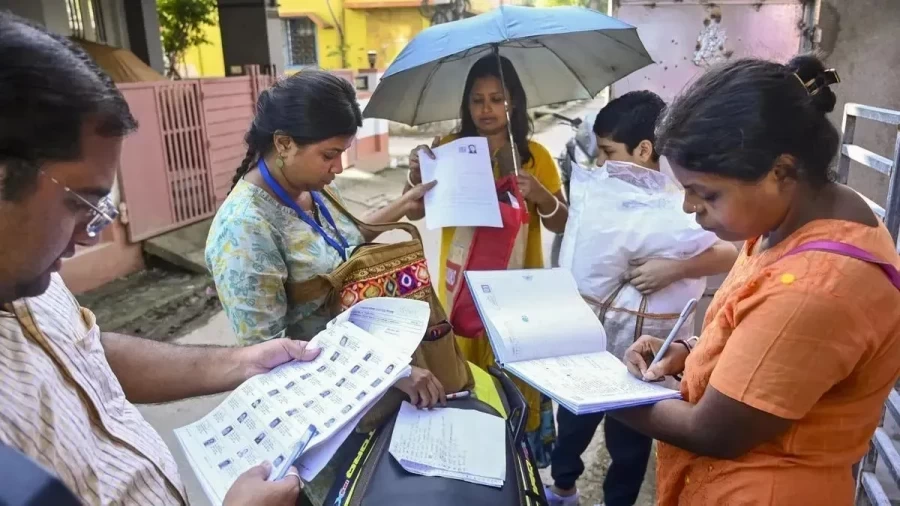
As per the directives issued by the State Election Commission, any individual whose name isn't present in the current draft voter list, or who requires any modifications to their existing details, can submit their claims or objections between January 6, 2026, and February 6, 2026, while this one-month window is of paramount importance for voters, as it represents their final opportunity to secure their democratic right to vote. Throughout this period, voters have the flexibility to submit their objections and claims through both online and offline methods. A comprehensive list detailing all claims and objections will be made publicly accessible. On the official website of the Chief Electoral Officer, Uttar Pradesh, at ceouttarpradesh. nic. in. This website serves as a central hub for voters to check their status and obtain essential information regarding the revision process. On top of that, to bolster transparency and public engagement, all Booth Level Officers (BLOs) are scheduled to read out the voter lists at their respective booths on January 11. This initiative is particularly beneficial for individuals who may lack internet access or require assistance in navigating digital procedures, ensuring that information reaches even the most remote areas and that all citizens are aware of their electoral status and the steps required to rectify any discrepancies.
Offline Application Process Explained
For those citizens who may not have ready access to digital platforms or who prefer a more traditional, in-person approach, the Election Commission has established an accessible offline application process. Under this method, voters are encouraged to contact their respective Booth Level Officer (BLO). BLOs, serving as local representatives of the Election Commission, are specifically trained and equipped to assist voters in filing objections or applying for the inclusion of their names, while if a voter's name is missing from the draft list or is untraceable for any reason, they will be required to present specific documentary evidence to support their application for inclusion in the SIR list. A crucial piece of evidence often requested is proof of their inclusion in the 2003 SIR list, which demonstrates prior registration as a voter. Should this particular proof not be available, any other valid document specified by the Election Commission can be submitted. Alongside these proofs, the applicant must meticulously fill out a physical form, ensuring all necessary details are accurately provided. This completed form can then be submitted directly to the BLO. The BLO will verify that the form is correctly filled and that all required documents are attached, thereby facilitating a smooth application process. This offline option is especially vital for voters in rural and remote areas where internet connectivity might be limited, ensuring inclusivity in the electoral process.
Online Application: A Step-by-Step Guide
Leveraging the advantages of modern technology, the Election Commission has also introduced a convenient and efficient online application process for voters. To add one's name to the voter list or to make necessary corrections, citizens can directly visit the official website voters. eci. gov, while in or work with the ECINET app.
Form Number 6:
This form is specifically designed for young citizens who have recently attained the age of 18 and are registering as first-time voters. It enables them to submit their identity, age, and proof of residence to be included in the electoral roll. Through this form, new voters are empowered to participate in the democratic process for the first time.
Form Number 7:
If there is an objection regarding an existing name in the voter list, such as the name of a deceased person still appearing, or if a correction is needed for an existing entry, Form 7 must be filled out. This form is also applicable for rectifying errors in previously recorded names, including spelling mistakes, gender discrepancies, or other personal detail amendments. Its purpose is to ensure the voter list remains updated and accurate.
Form Number 8:
This versatile form is utilized for several purposes, including changing one's place of residence (if a voter has moved from one constituency to another), making other corrections to the existing voter list, or applying for a replacement voter card. This form provides voters with the flexibility to keep their details current and to replace their voter identification card, which is crucial for exercising their voting rights. The online application process has been designed to be user-friendly and efficient, incorporating clear instructions and options for uploading necessary documents. This digital facility is particularly advantageous for urban and technologically literate voters, allowing them to apply from the comfort of their homes or any location with internet access.
Essential Documents for Application
To successfully complete the application process, whether through online or offline channels, voters are required to furnish several crucial documents that verify their identity, age, and residential status. The accuracy and validity of these documents are paramount for the acceptance of the application. Any valid identification card issued by the Central Government, State Government, or a Public Sector Undertaking (PSU) company. This serves as a primary means of establishing identity. A birth certificate issued by a competent authority, which is essential for verifying the applicant's age, particularly for new voters. An OBC (Other Backward Classes) or Scheduled Caste/Scheduled Tribe certificate, if the applicant belongs to these categories, which may be required for specific demographic identification. A Class 10 certificate or any other educational document issued by a recognized education board, which can serve as additional proof of age and identity. An Aadhaar card, which is widely accepted as proof of identity. It's crucial to note that while an Aadhaar card is accepted for identity verification, it isn't considered proof of citizenship but solely for the purpose of enrollment. Land-related documents, such as property papers or a rental agreement, which can serve as solid proof of residence. Family documents issued by state or local authorities, such as a ration card or a copy of the family register, which can be helpful in verifying familial ties and residential status. It's critically important to ensure that all submitted documents are valid, up-to-date, and clearly legible to prevent any obstacles or delays in the application process. The Election Commission relies on these documents to verify the applicant's eligibility and maintain the integrity of the electoral roll.
Ensuring Your Electoral Participation
The inclusion of one's name in the voter list is the bedrock of every citizen's democratic right. It's the fundamental mechanism that ensures individuals can exercise their franchise in elections, thereby playing an active role in choosing their government and shaping the future of their state and nation. The one-month window provided by the Election Commission is a critical and time-sensitive opportunity for all eligible citizens whose names might have been inadvertently removed from the draft list or who need to update their personal details, while this period empowers citizens to fulfill their responsibility and ensure they're able to cast their vote in upcoming elections. Following a thorough review and verification of all submitted applications and objections, the. Final voter list for Uttar Pradesh is scheduled to be released on March 6. This definitive list will serve as the official basis for all forthcoming elections, determining who is eligible to vote. That's why, it's of utmost importance that every citizen ensures their name is accurately and correctly included in this final list. The Election Commission earnestly urges all citizens to actively participate in this crucial process, to safeguard their democratic rights, and to contribute to a strong, inclusive, and fair electoral system.
