

- India,
- 12-Dec-2025 09:32 AM IST


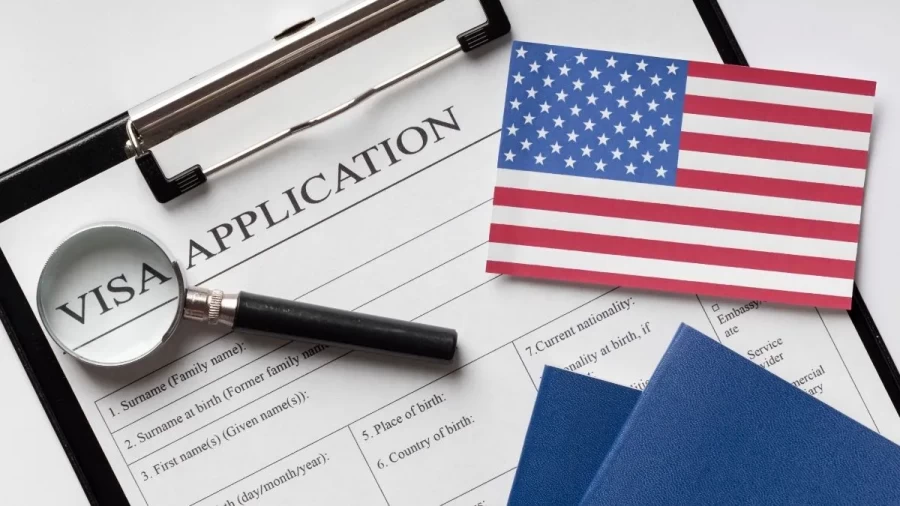
The United States has issued a significant alert to Indian travelers, making it clear that if an individual's primary intention for visiting the US is to give birth to a child and secure American citizenship for them, a tourist visa won't be granted, while this warning is specifically aimed at those attempting to use 'birth tourism' to gain US citizenship. The US Embassy in India reiterated this policy through an official post, emphasizing that if a visa officer suspects this underlying motive for travel, the visa application will be immediately rejected. This move underscores a stricter enforcement of existing immigration policies.
Stricter Rules and Their Impact
While this rule isn't entirely new, its enforcement has become Importantly more stringent. Indian tourists dreaming of visiting the US must now be extremely cautious about their stated purpose of travel. If a visa officer has even the slightest suspicion that the main objective of the trip is to. Give birth in the US and obtain birthright citizenship, such applicants will be denied a tourist visa outright. This measure is part of a broader shift in US immigration policy, which has garnered global attention and is set to affect travelers from various countries. The US government aims to prevent the misuse of its citizenship laws and ensure that visitors adhere to the terms of their visa.
Trump Administration's Stance on Birthright Citizenship
Birthright citizenship in the United States has been a subject of intense debate for a considerable period. On January 20, former President Donald Trump signed an executive order stipulating that merely being born in the US shouldn't automatically grant a child American citizenship, especially if their parents are in the US illegally or on a temporary basis, while the Trump administration believed that this law was being exploited and placed an undue burden on the country's resources. This decision signaled a significant change in US immigration policy, aimed at strengthening the nation's borders and discouraging illegal immigration, as well as practices deemed as loopholes in the system.
The Matter Reaches the Supreme Court
The constitutionality of Trump's executive order has now been challenged and has reached the US Supreme Court. The Court has decided to review this order, making the issue even more critical. Should the Supreme Court rule in favor of Trump's stance,. It could potentially overturn a 125-year-old law that grants birthright citizenship. This law was originally enacted during the Civil War era to protect the. Rights of African-American slaves, but over time, debates intensified regarding its scope and interpretation. The Supreme Court's decision will have profound implications for the future of US immigration policy and citizenship laws, potentially reshaping how citizenship is acquired.
Why the US is Adopting a Tougher Stance
According to former President Trump, the United States isn't in a position to bear the burden of millions of people entering through birthright citizenship. He argued that this constitutional provision, originally intended for the protection of African-American slaves' rights during the Civil War, has strayed from its original purpose and is now being abused. The Trump administration believed that this policy led to a large number of people coming to the US solely for the purpose of giving birth, thereby straining the nation's resources. The objective behind this tougher stance is to reform the country's immigration system and bolster national security, ensuring that immigration serves the national interest.
Uncertainty for Already Born Citizens
Amidst these policy changes, a significant question remains: will the citizenship of children already born in the US under birthright citizenship be revoked, while on this particular query, Trump has not provided a clear answer, stating that he had not yet considered the matter. This lack of clarity has only increased uncertainty regarding the future. This situation is a cause for concern for families whose children have already been born in the US and have acquired American citizenship, while all eyes are now on the Supreme Court's decision and future policies, as their impact could affect the lives of millions of individuals and reshape the demographic landscape of the nation.
