

- India,
- 09-Nov-2025 09:31 AM IST


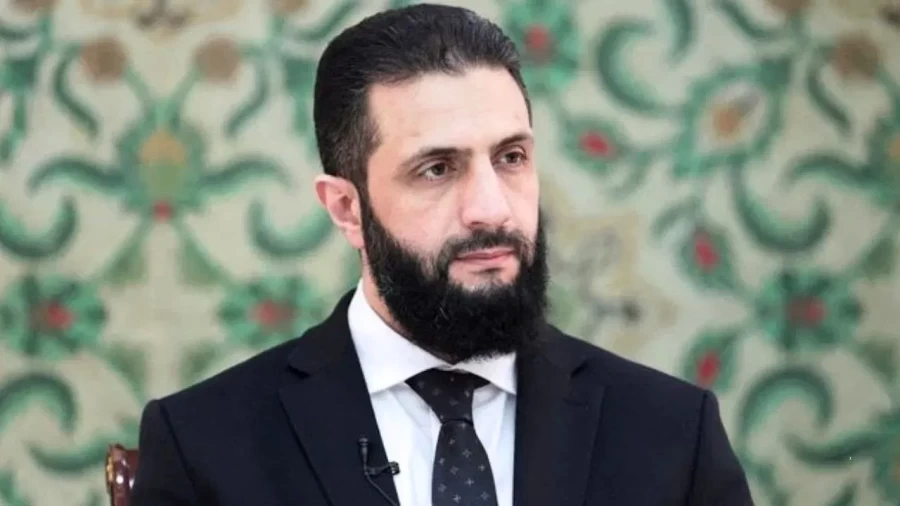
The United States is witnessing a significant diplomatic shift as Syrian President Ahmed al-Shara embarks on a historic official visit, a move that comes after his removal from the American blacklist. This landmark visit, the first of its kind since Syria gained independence in 1946, underscores a profound re-evaluation of US foreign policy towards the war-torn nation. President al-Shara, who was previously associated with an organization once designated as a terrorist entity, is now set to engage in high-level discussions with American leadership, signaling a potential new chapter in US-Syria relations.
From Blacklist to White House Invitation
For years, Syrian President Ahmed al-Shara was on the American blacklist, a designation that marked him and his associated entities as threats to US national security. His organization, Hayat Tahrir al-Sham (HTS), which had historical links to al-Qaeda, was only recently removed from Washington's list of terrorist organizations in July. This dramatic reversal in status paved the way for his current visit. The decision to remove him from the blacklist and extend an invitation for an official visit highlights a calculated move by the US to engage with the current Syrian leadership, recognizing what it perceives as progress and a willingness to cooperate on key international issues.
A Historic Diplomatic Engagement
President al-Shara's arrival in the United States on Saturday marks a truly historic moment, while he's scheduled to meet with US President Donald Trump at the White House on Monday, a meeting that carries immense symbolic and practical weight. This will be the first official visit by a Syrian President to. The US since 1946, breaking decades of diplomatic isolation and strained relations. The significance of this encounter can't be overstated, as it represents a direct engagement between the highest levels. Of both governments, aiming to address complex geopolitical challenges and foster a path towards stability in the Middle East.
Previous Encounters and Future Alliances
While this is President al-Shara's first official visit, he had a prior encounter with President Trump. The two leaders first met in May in Riyadh during President Trump's regional tour. This initial meeting likely laid the groundwork for the current official visit, indicating a period of preliminary engagement and assessment. Looking ahead, US envoy Tom Barrack stated earlier this month that President al-Shara is expected to sign an agreement to join the international US-led coalition fighting against the Islamic State (ISIS). Such an agreement would be a crucial step in consolidating regional efforts. Against extremist groups and could redefine Syria's role in global counter-terrorism initiatives.
Strategic US Military Presence Near Damascus
In a related development, the United States is reportedly planning to establish a military base near Damascus. This information, conveyed by a diplomatic source to AFP, suggests a strategic intent beyond mere diplomatic engagement. The proposed military base would serve multiple critical functions: coordinating humanitarian aid efforts in a country ravaged by 13 years of civil war, and closely monitoring developments between Syria and Israel. This forward operating presence would allow the US to maintain a direct stake in regional stability, facilitate aid delivery to vulnerable populations, and potentially de-escalate tensions along a volatile border.
Meeting US Demands for Regional Stability
The US State Department spokesperson, Tommy Pigott, elaborated on the reasons behind this. Diplomatic overture, stating that President al-Shara's government has been actively meeting American demands. These demands include cooperation in efforts to locate missing Americans and the complete elimination of any remaining chemical weapons stockpiles. Pigott emphasized that these actions are being taken to acknowledge the progress shown by the Syrian leadership following. The departure of Bashar al-Assad and the end of over 50 years of repression under the Assad regime. This suggests a conditional engagement, where tangible steps by Syria are being rewarded with diplomatic recognition and cooperation.
Fostering Security and an Inclusive Political Process
The removal of President al-Shara from the US blacklist isn't merely a symbolic gesture; it's intended to yield concrete benefits for regional security and stability, while according to spokesperson Pigott, this move is expected to promote a more secure environment across the region. Also, it aims to support an inclusive, Syrian-led, and Syrian-owned political process within the country. This signifies a US commitment to empowering the Syrian people to determine their own future, free from external interference, and to build a political framework that represents all segments of Syrian society after years of conflict.
International Recognition and Financial Needs
President al-Shara's visit to Washington follows his landmark trip to the United Nations in September, where he made history by becoming the first Syrian President in decades to address the UN General Assembly. This earlier visit marked his first time on American soil and signaled a growing international acceptance. Adding to this, Washington recently led a vote in the Security Council to lift UN sanctions against President al-Shara, further cementing his re-entry onto the global diplomatic stage, while during his current visit, President al-Shara is expected to make a strong plea for financial assistance for Syria's monumental reconstruction efforts. After 13 years of devastating civil war, the country faces immense challenges. The World Bank, in October, estimated the conservative best-case cost for Syria's reconstruction at a staggering $216. Billion, highlighting the urgent need for international support to rebuild infrastructure, restore services, and revive the economy.
