

- India,
- 18-Nov-2025 05:38 PM IST


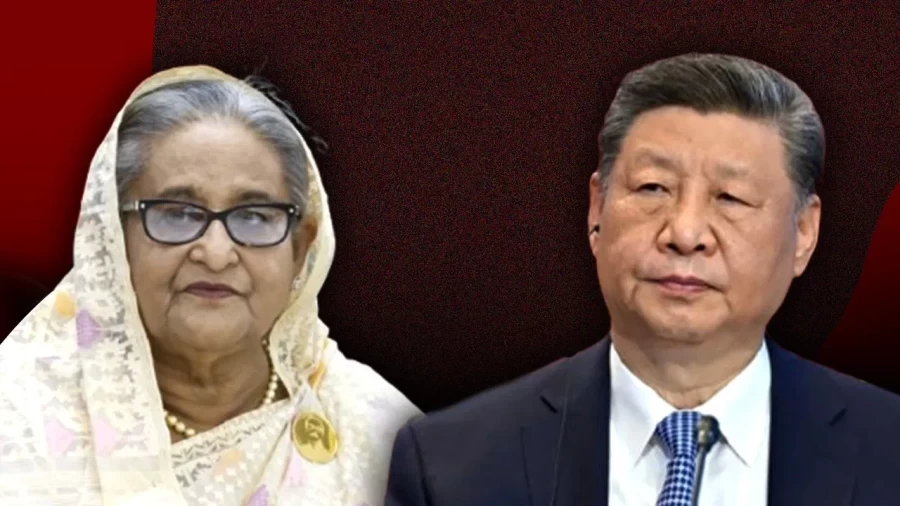
In a significant and controversial development for Bangladesh's political landscape, a tribunal court in Dhaka has sentenced former Prime Minister Sheikh Hasina to death. The verdict, delivered in absentia, found her guilty of crimes against humanity committed during the 2024 student movement. This decision has further exacerbated Bangladesh's already unstable political environment and has ignited a new global debate on judicial processes, human rights, and international relations.
The Tribunal's Landmark Verdict
On Monday, a Dhaka tribunal court issued a death sentence for Sheikh. Hasina, convicting her for crimes against humanity during the tumultuous 2024 student movement. This judgment carries immense weight, not least because the trial was conducted in her absence. Following her ouster from power, Sheikh Hasina has been residing in India, making her unavailable for court proceedings in Bangladesh. Such a verdict against a former head of government, particularly in absentia, is a rare and profound event that has drawn immediate international scrutiny and discussion regarding its implications for justice and political stability.
Bangladesh's Volatile Political Climate
Alongside Sheikh Hasina, other prominent figures were also implicated and sentenced in connection with the same case. Former Home Minister Asaduzzaman Khan Kamal also received a death sentence, underscoring the severity of the charges and the court's findings. In contrast, former Police Chief Chowdhury Abdullah Al-Mamun was also found guilty but received a comparatively lighter sentence of 5 years. This leniency was granted due to his confession of guilt and his cooperation with the investigation, a factor that often plays a role in judicial outcomes. The varying sentences highlight the court's assessment of individual culpability and cooperation.
China's official reaction explicitly noted that this verdict comes at a time when Bangladesh's political environment is highly unstable. The sentencing of Sheikh Hasina, especially in her absence, is likely to deepen political polarization within the country, while the 2024 student movement itself had already triggered widespread unrest, and this judicial decision could potentially lead to further political upheaval and challenges to national unity and stability. The long-term consequences for the country's governance and social cohesion remain a significant. Concern, with the verdict adding another layer of complexity to an already delicate situation.
United Nations' Stance: Regret Over Death Penalty
The United Nations responded to Sheikh Hasina's death sentence with a nuanced but firm stance, reiterating its consistent opposition to capital punishment.
