

- India,
- 16-Nov-2025 12:50 PM IST


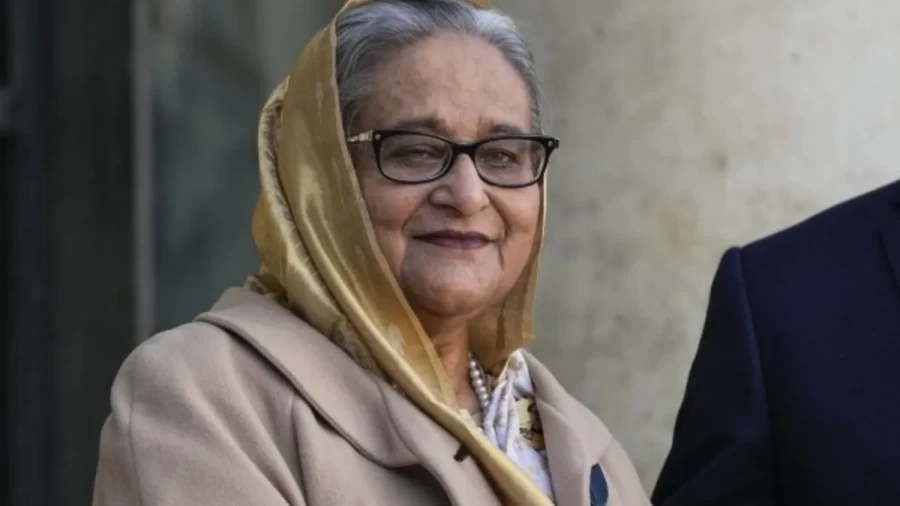
Bangladesh is bracing for a momentous decision concerning the fate of its ousted Prime Minister, Sheikh Hasina, with a verdict expected within the next 24 hours, while the Yunus-led interim government has sought the death penalty for Hasina from the court, escalating tensions across the nation. In anticipation of potential unrest following the ruling, security agencies throughout Bangladesh have been placed on high alert, and security has been Notably bolstered in sensitive areas. This impending verdict, scheduled for November 17, is poised to be. A defining moment for Sheikh Hasina's political career and personal life.
Background of the Allegations
The core of the case against Sheikh Hasina stems from the widespread anti-government protests that swept Bangladesh in July-August 2024, commonly referred to as the 'July Uprising'. During these demonstrations, it's alleged that over 1,400 people were killed as a result of security forces' actions, while the Yunus government contends that Sheikh Hasina and her administration were responsible for these "crimes against humanity. " A special tribunal has been hearing the case based on these grave accusations, and its judgment is now imminent.
Proceedings at the International Crimes Tribunal (ICT-BD)
The International Crimes Tribunal of Bangladesh (ICT-BD) is set to deliver its verdict against the 78-year-old Hasina on Monday. This tribunal was originally established by a past government to prosecute collaborators of Pakistani forces during the 1971 Bangladesh Liberation War. However, the Yunus government has amended the ICT-BD law to enable the prosecution of leaders from previous administrations, including Hasina. Chief Prosecutor Mohammad Tajul Islam has explicitly called for the death penalty for Hasina, alleging that. She was the "mastermind and principal perpetrator" of crimes against humanity during last year's massive protests.
Key Accused and State Witness
Beyond Sheikh Hasina, the case also implicates her former Home Minister, Asaduzzaman Khan Kamal,. And the then Inspector General of Police (IGP), Chowdhury Abdullah Al-Mamun, across five separate charges. These charges include murder, attempted murder, torture, and other inhumane acts, while both former Prime Minister Hasina and Kamal were tried in absentia, having been declared fugitives by the court. Notably, former IGP Chowdhury Abdullah Al-Mamun, who also faced serious accusations, has since turned into a state witness in the case, while he was the only prominent accused who personally faced trial before becoming an approver or state witness.
Gravity of the Charges
The five cases against Hasina and the other two defendants include a primary charge accusing them of murder, attempted murder, torture, and other inhumane acts. A second case specifically alleges that Hasina ordered the "massacre" of protesters. Under the third case, she's accused of making inflammatory statements and ordering the use of lethal weapons against protesting students. The remaining cases charge the defendants with opening fire on and killing six unarmed protesters, including students, in Dhaka and its suburbs. These accusations are of an extremely serious nature, and if proven, would lend significant weight to the demand for the death penalty.
Allegations of Political Vendetta
Supporters of Sheikh Hasina vehemently argue that the charges against her are politically motivated. Hasina herself has publicly denounced the ICT-BD as a "kangaroo court," asserting that it's entirely operated by individuals associated with her political adversaries, while doughty Street Chambers, a prominent UK-based legal firm, recently submitted an "urgent appeal" to the United Nations, stating that Hasina is being prosecuted "in a politically charged atmosphere, under an unelected interim government with no democratic mandate. " Last month, the Awami League, Hasina's party, filed a petition with the International Criminal Court (ICC) in The. Hague, accusing the Yunus-led interim administration of crimes against humanity, including the killings and arbitrary arrests of its members.
Yunus Government's Extradition Demand
Hasina was ousted from power on August 5 last year following the massive student-led movement. She's currently residing in India, and Kamal has also reportedly sought refuge in the neighboring country, while the interim government led by Muhammad Yunus has formally requested Hasina's extradition, but India has yet to respond to this plea. The Yunus government's amendment to the ICT-BD law and the appointment of Tajul, who. Previously defended the accused, as the chief prosecutor, underscore the political dynamics at play.
Nationwide Security Alert
In light of this significant impending verdict, Bangladesh's law enforcement agencies have completed all necessary preparations to prevent any untoward incidents across the country. A high alert has been issued to security agencies nationwide, and security has been intensified in sensitive locations. Most Awami League leaders and key figures from the previous government are either in jail or have fled the country, further heightening concerns about potential unrest after the verdict. Bangladesh stands at a critical juncture, where the fate of a former prime minister is about to be determined, and the repercussions could profoundly impact the nation's political stability.
