

- India,
- 08-Jan-2026 10:38 PM IST


The ongoing dispute surrounding the T20 World Cup 2026 shows no. Signs of resolution, with tensions between India and Bangladesh escalating further. The Bangladesh Cricket Board (BCB) has once again formally communicated its concerns to the International Cricket Council (ICC), marking the second such letter, while in this latest correspondence, the BCB has raised serious apprehensions regarding the security of its players in India and has reiterated its demand to shift the tournament's match venues from India to Sri Lanka. With the T20 World Cup scheduled to commence on February 7,. This growing friction poses a significant challenge for the global cricketing community.
The Mustafizur Rahman Controversy: A Catalyst for Tension
The genesis of the current strain in relations between the BCCI and BCB can be traced back to the decision to release fast bowler Mustafizur Rahman from the Indian Premier League (IPL) at the directive of the BCCI. The BCCI cited 'surrounding developments' as the reason for this decision but failed to provide any clear or detailed explanation. This lack of transparency surrounding a prominent player's release from a major league like the IPL was perceived as a slight by the BCB, hardening its stance and fostering a sense of distrust. The incident fueled BCB's resolve to be more assertive on matters concerning the security and respect of its players, setting the stage for the current standoff over the T20 World Cup venues.
Advisory from Asif Nazrul and BCB's Firm Stance
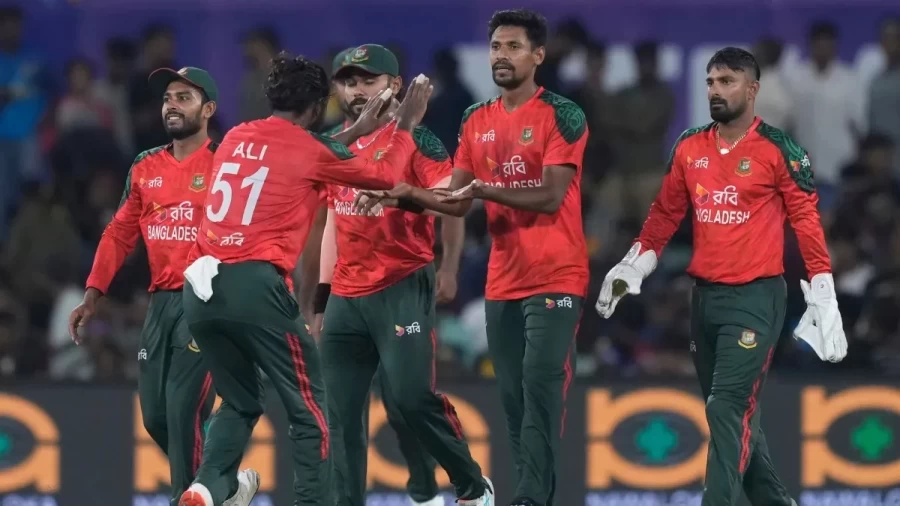
On January 8, the Bangladesh Cricket Board dispatched its second formal letter to the ICC, prominently highlighting the issue of player security in India. The BCB has unequivocally stated its refusal to send its team to India under the prevailing circumstances. Bangladesh is slated to play four matches in the T20 World Cup, with three proposed to be held in Kolkata and one in Mumbai, while both cities are major Indian metropolises with a history of hosting international cricket. However, the BCB's demand is for all these proposed match venues to be relocated from India to neighboring Sri Lanka, specifically Colombo, while this firm demand underscores the gravity of Bangladesh's security apprehensions and places considerable pressure on the ICC to intervene and find a viable solution.
An anonymous source within the BCB, speaking to PTI, confirmed that the decision to send the second letter to the ICC was made after extensive discussions with Asif Nazrul, an advisor to Bangladesh's sports ministry, while this involvement of a high-ranking government official indicates that the issue transcends mere cricketing administration and has garnered attention at a governmental level. The ICC had previously requested detailed information regarding Bangladesh's security apprehensions, which the BCB has now shared. However, the specific contents of the letter remain undisclosed, adding to the sensitive and confidential nature of the matter. The participation of figures like Asif Nazrul reinforces Bangladesh's unwavering commitment to its demands and its serious approach to the issue.
Internal Divisions within BCB and Potential Pathways to Resolution
Reports suggest that the Bangladesh Cricket Board itself is divided on this sensitive issue, while there are two distinct factions within the board. One faction supports Asif Nazrul's firm stance, advocating for a refusal to play in India and insisting on a venue change. This group prioritizes player safety above all else and is unwilling to compromise on perceived risks. Conversely, another faction adopts a more pragmatic approach. This group believes in keeping channels of communication open with the ICC and Indian authorities, while they're of the opinion that if India can provide enhanced, strong, and fully secure arrangements for the Bangladesh team, a resolution could be found. These internal disagreements present a challenge for the BCB in presenting a unified front.
ICC's Undecided Stance and the Road Ahead
As of now, the International Cricket Council (ICC) has not issued any official response to Bangladesh's latest communication. Nor has the ICC indicated any intention to shift the T20 World Cup matches proposed for Kolkata and Mumbai to Colombo. However, the BCB claims that the ICC has expressed its willingness to cooperate in assessing Bangladesh's security concerns. The ICC, as the global governing body for cricket, finds itself in a delicate position. It must balance the rights of the host nation, the security concerns of participating teams, and the overall integrity of the tournament. All eyes are now on the ICC's next move, which could involve a significant and decisive ruling on this sensitive matter, while this decision won't only impact the future of the T20 World Cup 2026 but also have profound implications for cricket relations between India and Bangladesh. The ICC must ensure that the concerns of all stakeholders are addressed to facilitate a safe and smooth conduct of the tournament.
