

- India,
- 20-Jan-2026 02:43 PM IST


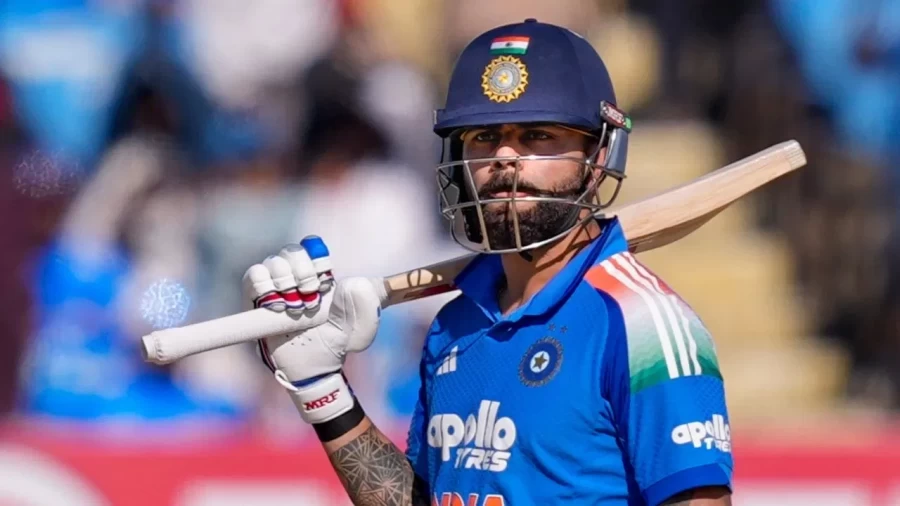
The Board of Control for Cricket in India (BCCI) is widely recognized as the wealthiest and most powerful cricket governing body in the world. Indian cricketers enjoy some of the highest salaries and perks compared to their international counterparts. However, recent media reports have sent shockwaves through the cricketing fraternity, suggesting a massive overhaul in the central contract structure, while according to these reports, the BCCI is considering the complete removal of the elite A+ category. This move could lead to a significant financial impact on the team's biggest icons, including Rohit Sharma and Virat Kohli.
The End of A+ Category
Currently, the BCCI central contract is divided into four distinct grades: A+, A, B, and C. Players in the A+ category are entitled to an annual retainer of ₹7 crore, while this exclusive club currently features captain Rohit Sharma, batting maestro Virat Kohli, pace spearhead Jasprit Bumrah, and all-rounder Ravindra Jadeja. The proposed restructuring aims to eliminate this top tier entirely, leaving only three categories. If implemented, the players who were previously earning ₹7 crore will see a drastic reduction in their fixed annual income. This strategic shift is believed to be part of a broader. Plan to manage the board's financial allocations and focus on performance-driven rewards.
Massive Pay Cut for Senior Stars
Perhaps the most startling aspect of this report is the potential salary drop for Rohit Sharma and Virat Kohli. Sources suggest that both veterans might be moved down to Grade B. Under the current pay scale, Grade B players receive ₹3 crore per annum. This means that Rohit and Virat, who are currently at the ₹7. Crore mark, could face a staggering pay cut of ₹4 crore each. Ravindra Jadeja is also expected to follow a similar path into Grade B. This decision is particularly noteworthy given the immense brand value and contribution of these players to Indian cricket over the last decade, while it marks a significant departure from the traditional way the board has compensated its top performers.
Impact on Jasprit Bumrah and Others
Jasprit Bumrah, who is arguably the most vital asset in the Indian bowling lineup, might also see his earnings affected. While he's currently in the A+ bracket, the new structure could see him placed in Grade A, while since Grade A players earn ₹5 crore annually, Bumrah would still face a loss of ₹2 crore compared to his current contract. Other prominent names like Mohammad Siraj, KL Rahul, Shubman Gill, and Hardik Pandya are already in Grade A. The board's logic seems to be centered around creating a more streamlined and performance-oriented grading system that reflects the current workload and future prospects of the players.
Current Contract Distribution
As of now, the BCCI has 34 players under central contracts. The majority of these players, 19 to be exact, are in Grade C, earning ₹1 crore annually. Grade B consists of 5 players, while Grade A has 6. The A+ category is the smallest with only 4 players. Grade C includes rising stars like Rinku Singh, Yashasvi Jaiswal, and Tilak Varma, who represent the future of Indian cricket. By restructuring the top end of the pay scale, the BCCI may be looking to create more room for performance bonuses and incentives that reward consistency on the field rather than just seniority or past achievements.
Why is BCCI Restructuring?
While the BCCI has not issued an official confirmation, analysts believe this move is aimed at balancing the books and preparing for a transition phase, while both Rohit Sharma and Virat Kohli have retired from T20 Internationals, and the board might be looking to align their contracts with their reduced format availability. On top of that, the focus is shifting towards younger players who are expected to lead the team across all formats in the coming years. By reducing the fixed retainer for senior players, the board can reinvest those funds into domestic cricket and grassroots development. This potential change signifies a new era in the financial. Management of Indian cricket, where performance and longevity are weighed differently.
