

- India,
- 09-Dec-2025 06:30 AM IST


Aanand L Rai's directorial venture, 'Tere Ishk Mein', released in theaters in late November, generating considerable buzz among moviegoers. Many, especially fans of the 2013 hit 'Raanjhanaa', harbored high hopes for a sequel or a similarly poignant love story. While the director clarified it wasn't a direct sequel but a new narrative, the prospect of seeing Dhanush return as Shankar fueled immense excitement. The film's teaser and trailer release, followed by extensive promotions along the ghats of Varanasi, further amplified these expectations.
High Expectations and 'Raanjhanaa' Comparison
The comparison of 'Tere Ishk Mein' with 'Raanjhanaa' was inevitable, given Dhanush's return and Aanand L Rai's direction. Audiences anticipated a love story that would be as impactful and memorable as its predecessor. The promotional activities also played into this narrative, leading people to believe they would witness another intense and emotionally charged romantic saga. However, upon its release on November 28, these expectations largely shifted, with many viewers leaving theaters. With a sense of disappointment as the film failed to live up to the pre-release hype.
A Disappointing Love Story
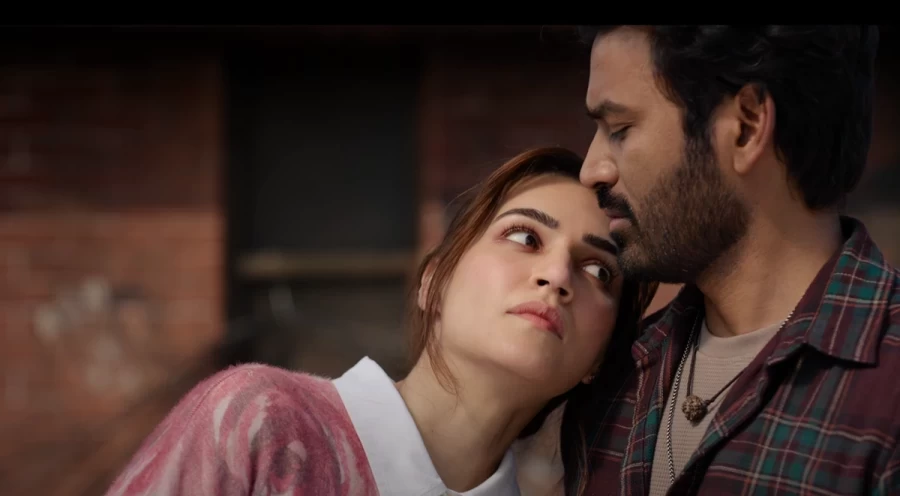
The central romantic narrative involving Dhanush and Kriti Sanon largely failed to resonate with the audience. It was described as a love story that began but never truly reached a conclusive or emotionally satisfying point. There was a noticeable absence of scenes where the emotional connection between Dhanush and Kriti felt profound enough to evoke tears or strong reactions from the audience. The lack of depth and clarity in the romantic arc, coupled with what appeared to be a one-sided. Or unresolved affection, left many confused about the dynamics of their relationship, ultimately weakening the film's core romantic premise.
The Unforgettable Father-Son Dynamic
While the love story faltered, the relationship between Dhanush's character, Shankar, and his father, portrayed by Prakash Raj, emerged as the film's most compelling and strongest pillar. This bond was so profound and moving that it single-handedly shouldered the emotional weight of the entire film. The depiction of a father who wishes nothing but happiness for his son, supports him unconditionally, and is willing to go to any lengths for him, deeply touched the hearts of the viewers. Similarly, the son's love and respect for his father were beautifully portrayed, making this relationship incredibly authentic and emotionally resonant.
Prakash Raj delivered an extraordinary performance as Dhanush's father, bringing the relationship to life with remarkable depth and nuance. In every scene where Prakash Raj and Dhanush shared the screen, the atmosphere was either filled with joy or brought tears to the audience's eyes, while their chemistry was so powerful that it forged a deep connection with the viewers. Prakash Raj did complete justice to his character, and his commanding presence provided a. Strong emotional foundation for the film, effectively compensating for the shortcomings of the romantic plot.
Pandit's Memorable Dialogue
Among the few dialogues that left a lasting impression on the audience, one particularly stood out, directly related to Shankar's father. Following the father's death, 'Raanjhanaa's Pandit makes an appearance and delivers a poignant line to. Shankar: “Dekh tere ishq mein tera baap jal gaya” (See, in your love, your father burned). This dialogue was one of the most impactful moments in the film, eloquently expressing the depth of the father-son bond and the pain associated with it. It resonated emotionally with the audience and helped highlight a central theme of the film.
Acting as the Film's Saving Grace
Overall, 'Tere Ishk Mein' suffered from a weak storyline and a forgettable soundtrack, unlike the memorable music of 'Raanjhanaa'. However, the stellar performances of its cast, particularly Prakash Raj and Dhanush, proved to be its saving grace. Their powerful portrayals kept the audience engaged, even as the main love story lacked conviction. Had the film focused entirely on the father-son relationship, it might have been even more critically acclaimed, as audiences connected most deeply with these two characters, while the grief over the father's passing felt like a personal loss to many, a testament to the success of these performances.
