
- India,
- 13-May-2026 02:20 PM IST



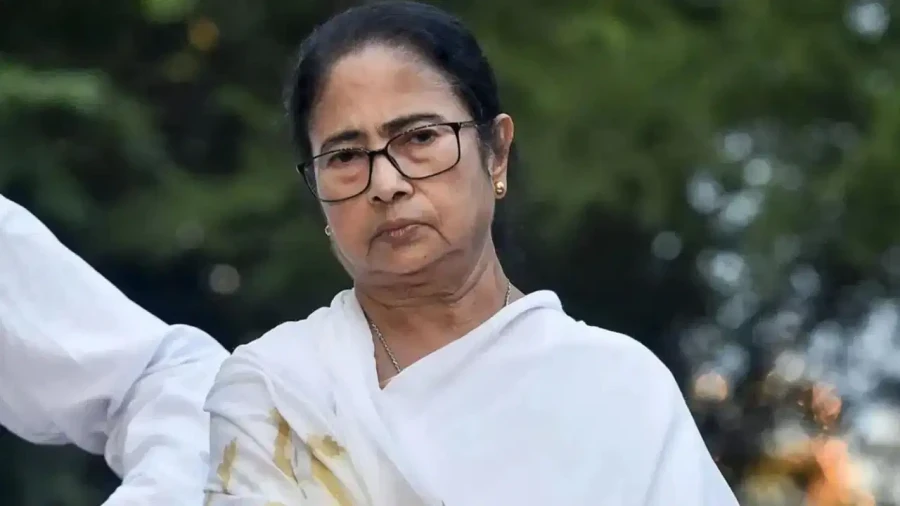
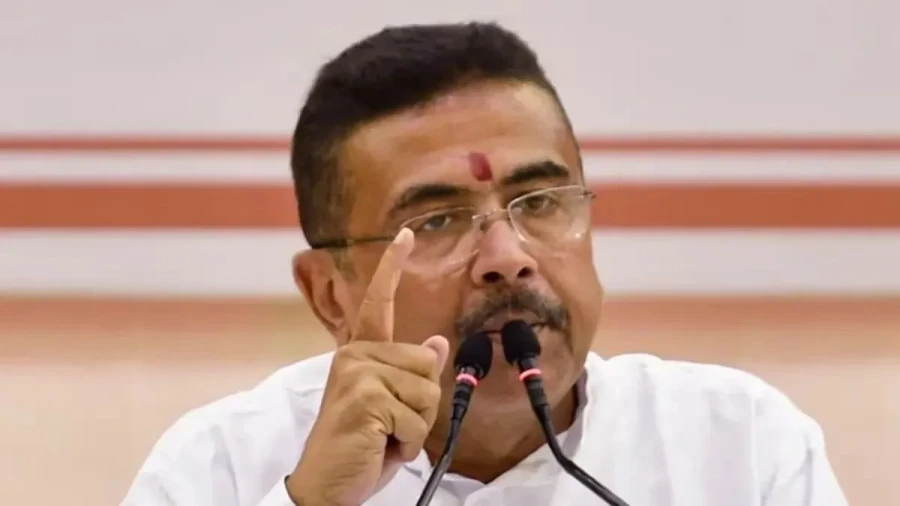
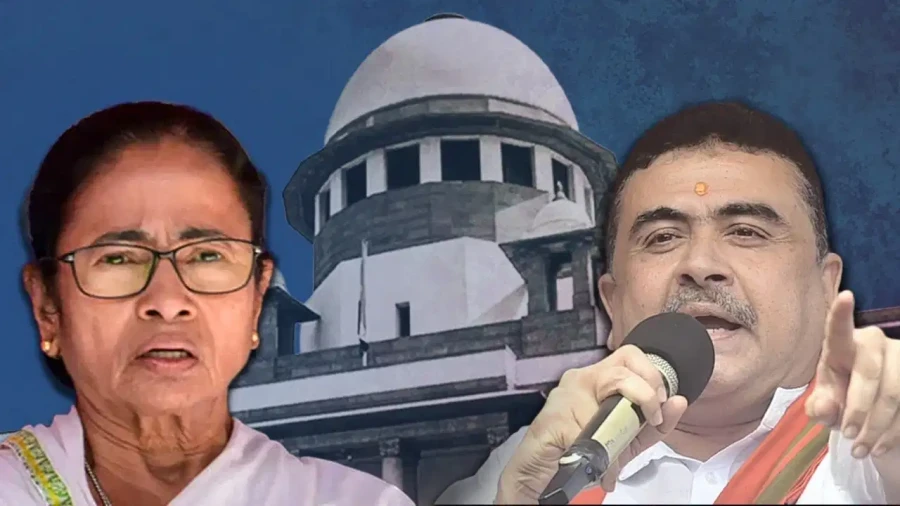
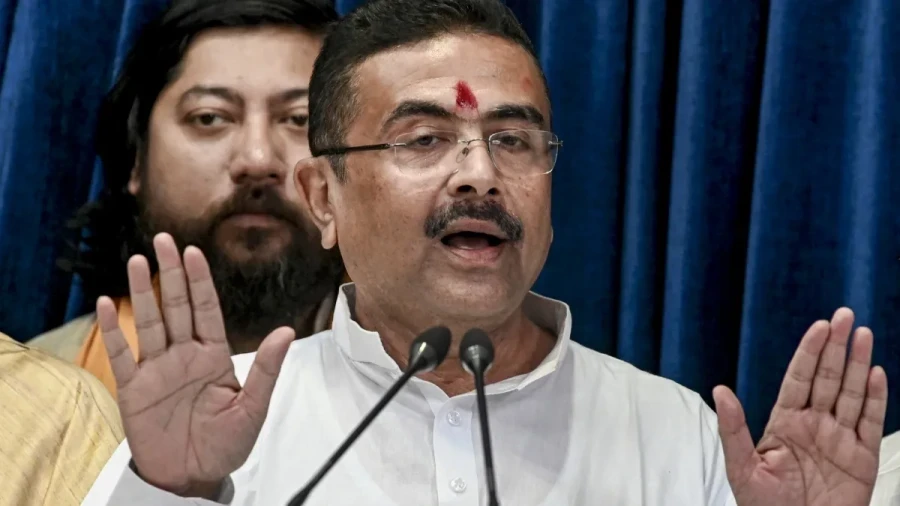
West Bengal Chief Minister Suvendu Adhikari has made a significant political announcement regarding his legislative status in the state assembly. Adhikari has officially declared that he will be resigning from the Nandigram assembly seat while choosing to retain the Bhawanipur assembly constituency. This decision follows his remarkable performance in the 2026 assembly elections, where he contested from two different seats—Nandigram and Bhawanipur—and emerged victorious in both. His victory in Bhawanipur was particularly historic as he managed to defeat the Trinamool Congress (TMC) supremo and former Chief Minister Mamata Banerjee in her own stronghold, marking a major political upheaval. Simultaneously, he maintained his winning streak in Nandigram, a seat that has been central to his political identity.
Constitutional Mandate and the Choice of Seat
Under constitutional rules and democratic protocols, an elected representative isn't permitted to hold two assembly seats simultaneously, while consequently, Suvendu Adhikari was required to choose one of the two seats he won. After careful consideration, he has made Bhawanipur his priority, while by choosing to remain the MLA of Bhawanipur, Adhikari is reinforcing his victory in the heart of the state's political center, where he unseated the long-standing TMC leadership. The resignation from the Nandigram seat will necessitate further constitutional procedures for that constituency, while Adhikari continues his duties as the representative of Bhawanipur and the Chief Minister of the state.
Swearing-in Ceremony and Cabinet Formation
Suvendu Adhikari officially assumed the office of the Chief Minister of West Bengal on May 9. In a grand ceremony held at the Raj Bhavan, the Governor administered the oath of office and secrecy to him. Following the Bharatiya Janata Party's (BJP) landslide victory in the assembly elections, he has become the party's first Chief Minister in the state. Along with his swearing-in, a comprehensive cabinet was formed to govern the state. His council of ministers consists of a total of 42 members, including 24 cabinet ministers and 18 ministers of state. This diverse team has been tasked with implementing the new government's agenda across West Bengal.
Detailed Election Results and Statistics
In the elections for the 294-seat West Bengal Assembly, the BJP achieved a massive victory by winning 207 seats, securing power in the state for the first time. The results, declared on May 4, saw the Trinamool Congress (TMC), which had ruled for 15 years, reduced to just 80 seats. The performance of other political parties was notably poor, while the Indian National Congress managed to win only 02 seats, while the Aam Janata Unnayan Party also secured 02 seats. Also, the CPM and the All India Secular Front (AISF) were limited to just 01 seat each. The BJP's tally of 207 seats placed them well beyond the majority mark of 148, bringing them close to a two-thirds majority in the house.
Key Election Highlights
The mandate received by the BJP has paved the way for a new political era in West Bengal, which began with Suvendu Adhikari taking the oath on May 9. By deciding to retain the Bhawanipur seat, the Chief Minister has signaled his intent to focus on this high-profile constituency while leading the state government. The formal process of resigning from the Nandigram seat will be completed shortly, following which the Election Commission will take the necessary steps for the future of that constituency. Adhikari's move to keep Bhawanipur highlights the strategic importance of the seat where he achieved his most significant electoral victory against the former Chief Minister.