

- India,
- 08-Nov-2025 08:58 AM IST


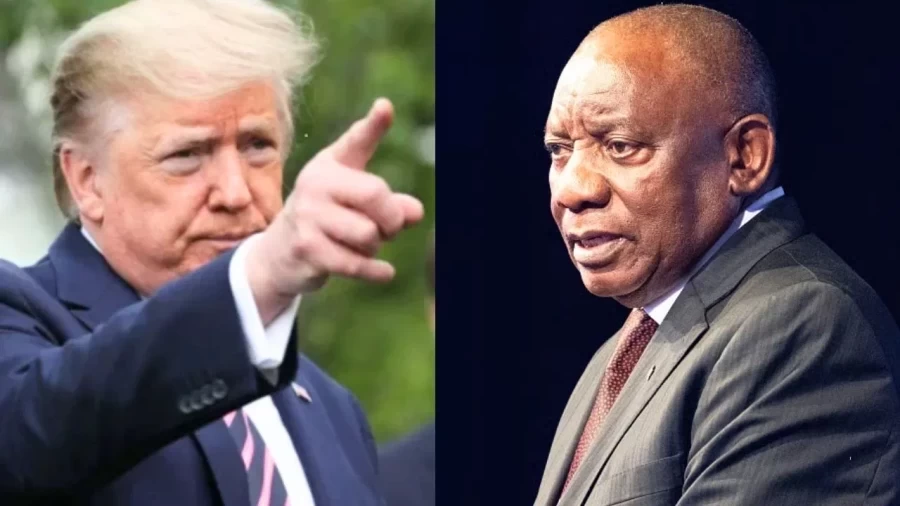
Former US President Donald Trump announced on Friday that no US government official would attend the G-20 Summit scheduled to be held in South Africa this year. This decision stems from his concerns regarding the alleged treatment of white farmers in the nation. Trump, in a statement on his social media platform, labeled the situation as 'totally disgraceful' and. Specifically referenced the mistreatment of 'Africans,' including violence, deaths, and the seizure of their land and farms.
Absence of US Officials at the Summit
President Trump had previously declared his intention not to attend the annual summit of heads of state from the world's leading and emerging economies, while vice President JD Vance was initially slated to attend in his stead, but it has now been confirmed that Vance will also not be traveling to the summit. This collective absence underscores a significant diplomatic stance by the Trump administration, highlighting its. Ongoing criticism of South Africa, particularly concerning the alleged persecution of its white minority farmers.
Trump Administration's Allegations and Refugee Policy
The Trump administration has consistently accused the South African government of allowing the harassment and attacks on minority white African farmers. On top of that, while the administration has limited the number of refugees allowed into the United States annually, it has indicated that a significant portion of these refugees are white South Africans who have reportedly faced discrimination and violence in their home country. This policy position reflects a broader concern within the administration regarding human rights and property rights in South Africa.
South Africa's Rebuttal of Discrimination Claims
In response to these accusations, the South African government has expressed surprise at the claims of discrimination. It has countered by stating that the standard of living for white people in the country is generally much better than that of black residents, while this disparity persists more than three decades after the end of the apartheid system of white minority rule, indicating deep-seated historical inequalities. The South African government maintains that its white population doesn't face systemic discrimination.
President Ramaphosa's Clarification and Diplomatic Efforts
South African President Cyril Ramaphosa has addressed the issue directly, stating that he informed Trump that the information regarding alleged discrimination and persecution of 'Africans' was entirely false. Despite these diplomatic efforts and clarifications from the South African leadership, the Trump administration has continued its criticism of the South African government. This ongoing diplomatic friction highlights a significant point of contention between the two nations, particularly as it impacts their engagement on international platforms like the G-20.
Call for South Africa's Exclusion from G-20
Earlier this week, during a speech in Miami, Trump went further, suggesting that South Africa should be expelled from the G-20 altogether, while this statement reinforces his strong stance against the nation. This follows an earlier boycott by Secretary of State Marco Rubio, who declined to attend a G-20. Foreign ministers' meeting earlier this year, citing its agenda's focus on diversity, inclusivity, and climate change efforts. These actions collectively signal a significant diplomatic rift and raise questions about South. Africa's standing within the international community and the unity of the G-20 forum.
