

- India,
- 14-Mar-2026 05:42 PM IST


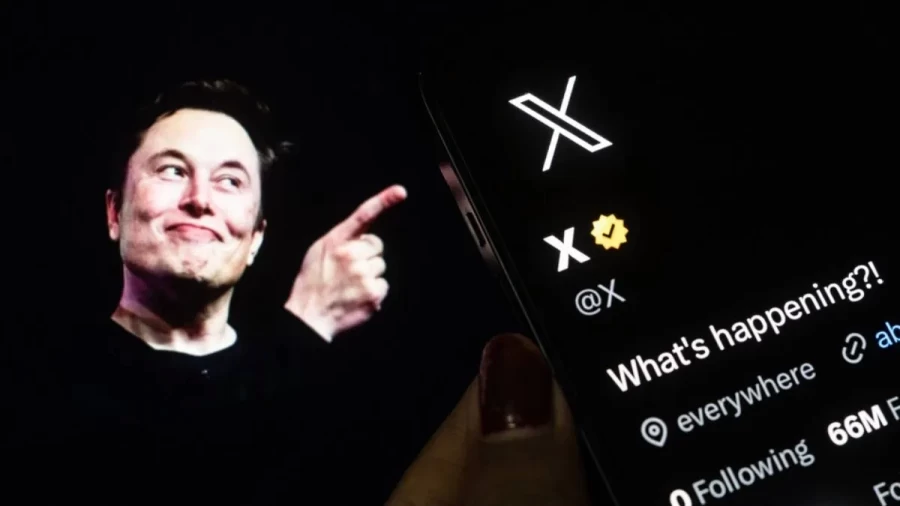
Social media platform X, owned by billionaire Elon Musk, has officially agreed to modify its account verification system following a stringent directive from the European Commission. The decision follows a determination by the European Union (EU) that the current 'Blue Tick' mechanism is misleading and fails to comply with regional digital governance standards. According to official reports, X has submitted a set of proposed measures to address these regulatory concerns, marking a significant shift in the platform's operational strategy within the European market.
The European Commission's Findings and Financial Penalty
The European Commission has imposed a substantial fine of 120 million euros, approximately ₹1277 crore, on X following an investigation under the Digital Services Act (DSA). The Commission concluded that the platform's verification system deceives users by granting a badge of authenticity based solely on a paid subscription rather than verified identity, while regulators emphasized that this practice undermines transparency and facilitates the spread of misinformation, as the badge no longer serves its original purpose of identifying public figures or reliable sources.
Proposed Structural Changes to Verification
Thomas Regnier, a spokesperson for the European Commission, confirmed that X has presented its proposed measures to rectify the verification mechanism, while while the specific technical details of these proposals have not been made public, Regnier stated that the Commission will conduct a meticulous evaluation of the measures. The objective is to ensure that the new system aligns with the EU's requirements for user safety and platform accountability. X's willingness to propose these changes indicates a strategic move to avoid further legal escalations in one of its largest markets.
Compliance with the Digital Services Act (DSA)
The Digital Services Act (DSA) mandates that large online platforms implement strong content moderation and transparent user identification processes. The EU's investigation highlighted that the current system makes it increasingly difficult to distinguish between authentic human users and automated bots. This lack of clarity hinders the analysis of public data and poses risks to the integrity of digital discourse, while the Commission has insisted that verification marks must be reserved for accounts whose identities have been rigorously validated to restore trust in the platform's ecosystem.
Deadlines and Potential Geopolitical Implications
The European Union has set a deadline of March 12, 2026, for X to fully implement the required improvements to its verification system. On top of that, the company is required to provide financial guarantees by March 16, 2026. Failure to meet these deadlines could result in further penalties or operational restrictions within the EU. The situation has also triggered diplomatic tensions, with the United States government expressing dissatisfaction over the fine. Reports suggest that US officials had previously hinted at potential retaliatory measures, including visa restrictions for EU citizens, in response to the regulatory pressure on American tech firms.
Evolution of the Verification Model under Musk
Prior to Elon Musk's acquisition of Twitter in 2022, the blue checkmark was an earned badge reserved for celebrities, government entities, and journalists. Musk transformed this into a subscription-based model under 'X Premium,' allowing any user to purchase the badge. European regulators argue that this commercialization has stripped the verification mark of its credibility. Moving forward, X must develop a framework that balances its subscription revenue model with the regulatory necessity of providing clear, non-misleading identity markers for its European user base.
