

- India,
- 15-Dec-2025 08:46 AM IST


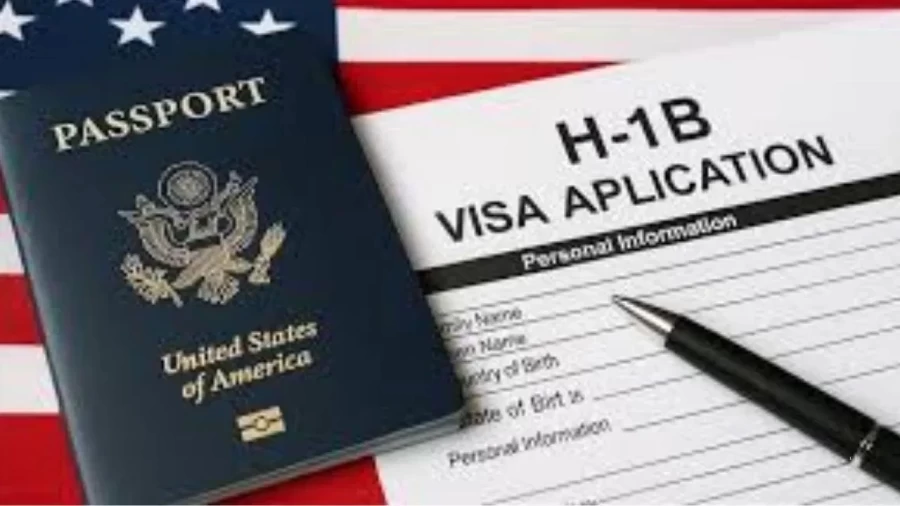
The Trump administration has implemented a significant policy shift for H-1B and H-4 visa applicants in the United States, initiating a rigorous screening and verification process starting today, while this new framework includes an in-depth examination of applicants' social media profiles. The measure comes under a new order from the US Department of State, which became effective on December 15. This change is set to directly impact thousands of IT professionals and. Their families who are planning to work or reside in the United States.
The New Mandate and its Scope
According to the new order issued by the US Department of State, all H-1B applicants. And their dependents applying for H-4 visas will now undergo a review of their online presence. This rule was previously applicable to students (F, M, and J visa holders) and exchange visitors traveling to the US for studies, while however, the Trump administration has now Notably expanded its scope to include IT professionals and their family members. This expansion marks a crucial change in US visa procedures, aiming for a more comprehensive background check of applicants.
Mandatory Social Media Screening
The most critical aspect of this new rule is the mandatory social media screening. The US Department of State has explicitly stated that H-1B (working visa) and H-4 (dependent visa) applicants will need to adjust their social media profile privacy settings. This directly implies that if an applicant's social media account is locked or has very strict privacy settings, they may encounter difficulties in obtaining a visa. Officials require full access to applicants' online activities to facilitate a smooth and effective vetting process. This step is intended to enhance transparency and identify potential security risks.
Expanding Reach and Immediate Impact
This rule, which was initially applied only to students, has now extended its reach to encompass IT professionals and their families. The impact of this new directive from the Trump administration has already begun to manifest. In India, several H-1B visa holders have had their interviews rescheduled due to these new guidelines, while this indicates that US embassies and consulates are taking these new regulations seriously, and applicants will need to be more cautious about their online presence. The rescheduling of interviews is causing additional time and inconvenience for applicants, a direct consequence of this policy change.
Trump Administration's Policy Priorities
This move is part of the Trump administration's broader immigration policies, which aim for stringent vetting of individuals entering the United States. The administration believes that examining social media profiles can provide crucial information about applicants' character, intentions, and potential risks. This policy shift aligns with efforts to strengthen US national security and public safety, while such scrutiny is an attempt to ensure that only qualified and trustworthy individuals receive US visas.
Implications for Applicants
For H-1B and H-4 visa applicants, this new rule carries several implications. They must now be prepared to make their social media profiles public or at least accessible to visa officers. This also means that applicants will need to be more aware of their online activities and. The content of their posts, as any objectionable or suspicious material could negatively impact their visa application. This change adds an extra layer to the visa application. Process, requiring applicants to proceed with greater caution and preparation. This policy transformation signifies the beginning of a new era for individuals seeking entry. Into the US, where a digital footprint has become a significant part of their eligibility.
