

- India,
- 16-Mar-2026 09:27 AM IST


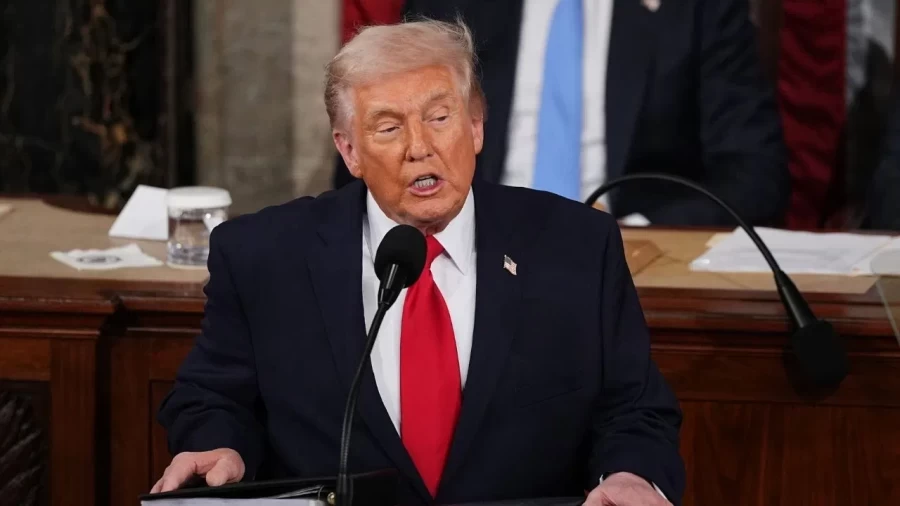
US President Donald Trump announced on Sunday that he's in discussions with seven nations to reopen and secure the Strait of Hormuz, while the move follows a blockade by Iran that has caused a significant spike in global energy prices. Trump has called for international military intervention to safeguard the maritime route, asserting that the responsibility for regional security must be shared. According to the President, while the United States has protected the strait for decades, other nations that rely heavily on the route must now contribute to its defense.
International Appeal and Warning to NATO
President Trump has urged countries including China, France, Japan, South Korea, and the United Kingdom to deploy warships to the Strait of Hormuz. He emphasized that maintaining an open and safe passage is a collective global interest, while during his address, Trump also directed a warning toward NATO members, stating that the alliance's future could be in jeopardy if member states continue to ignore security obligations and US requests for cooperation. He compared the necessity of this mission to the support the US provides to Ukraine and NATO, calling it a manageable task given the current state of Iranian forces.
Economic Disparity in Maritime Security
Highlighting the economic rationale, Trump noted that the United States receives only about 1% of its oil through the Strait of Hormuz. In contrast, nations like China depend on the route for nearly 90% of their oil supplies. He argued that it's no longer sustainable for the US to bear the primary burden of securing a passage that predominantly benefits other major economies. Trump stated that since the military capabilities of Iran have been Notably degraded, it's an opportune time for other nations to step forward and ensure their own energy security interests.
Responses from Allies and Regional Powers
Despite Trump's claims of ongoing discussions, several allies have shown reluctance to commit militarily, while australia has officially stated that it won't send naval vessels to the Strait of Hormuz despite the US request. Similarly, Gulf nations such as Saudi Arabia, the UAE, and Qatar have maintained a defensive posture rather than engaging in direct military escalation against Iran. Trump also recounted a conversation with the UK Prime Minister, noting that Britain initially hesitated to deploy its aircraft carriers but later offered assistance after the US had achieved strategic objectives.
Assessment of Iranian Military Capabilities
President Trump claimed that recent operations have effectively neutralized much of Iran's naval and air force capabilities. According to his assessment, Iran's inventory of missiles and drones has been drastically reduced. He stated that the US military has targeted manufacturing sites where Iran produces its weaponry, thereby limiting its ability to replenish its arsenal. Trump asserted that the US military remains the strongest in the world and is fully capable of completing the mission to secure the region, even as he seeks broader international participation.
Strategic Strikes and Diplomatic Outlook
The President confirmed that US forces have conducted strikes on critical Iranian infrastructure, including Kharg Island, which serves as Iran's primary oil export hub. These actions were intended to diminish Iran's economic benefit from and military reach. Regarding potential negotiations, Trump mentioned that while Iran previously appeared eager to talk, he doesn't believe they're currently ready for a diplomatic resolution. However, he expressed confidence that Iran would eventually be compelled to return to the negotiating table at a future date.
