

- India,
- 09-Feb-2026 10:09 AM IST


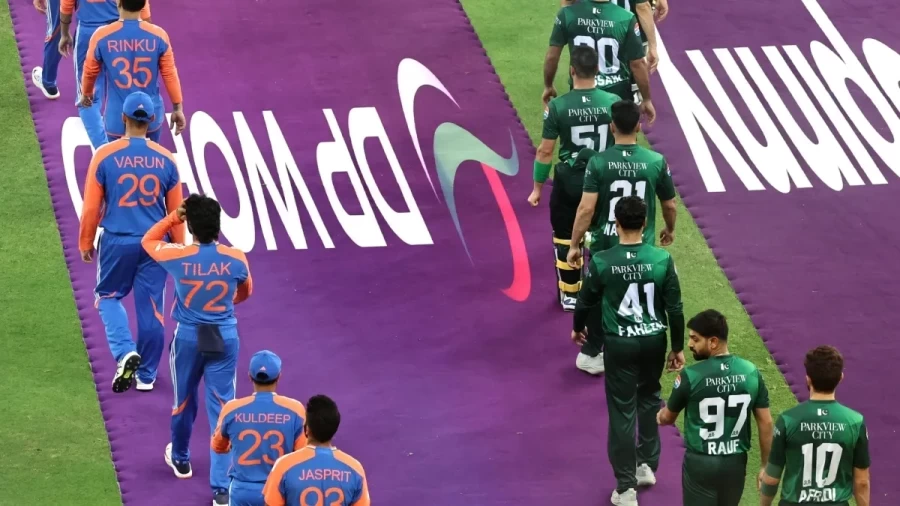
A significant high-level meeting was convened at the Gaddafi Stadium in Lahore on February 8, involving top officials from the International Cricket Council (ICC) and the Pakistan Cricket Board (PCB). The meeting featured ICC Deputy Chairman Imran Khwaja, PCB Chairman Mohsin Naqvi, and Bangladesh Cricket Board (BCB) President Aminul Islam. The primary agenda was to address the ongoing stalemate regarding the high-voltage India-Pakistan clash scheduled for the T20 World Cup 2026. This meeting comes amidst signals from Pakistan regarding a potential boycott of the match against India.
The root of the current controversy lies in the ICC's recent decision to include Scotland in the tournament in place of Bangladesh. The BCB had requested to move its matches out of India citing security concerns, a demand that the ICC subsequently rejected. In response, the Pakistan government indicated it might not play against India as a gesture of solidarity with Bangladesh. This trilateral meeting in Lahore is being viewed as a major step toward de-escalating tensions and ensuring the smooth conduct of the global event.
Strategic Discussions at Gaddafi Stadium
ICC Deputy Chairman Imran Khwaja arrived in Lahore specifically for these discussions, highlighting the gravity of the situation within global cricket administration. During the talks at Gaddafi Stadium, PCB Chairman Mohsin Naqvi presented Pakistan's stance firmly. According to sources, the discussions delved into the logistics and feasibility of the India-Pakistan match proposed for February 15 in Colombo. Khwaja's role as a mediator is considered crucial, given his influential position within the ICC and his representation of Singapore.
The meeting also touched upon security protocols, broadcasting commitments, and the overall commercial impact of the fixture. PCB officials reportedly emphasized that while they support the growth of cricket, national interests and regional diplomacy remain paramount. The presence of Aminul Islam added another layer of complexity, as he represents the interests of Bangladesh, which has been the focal point of the recent scheduling disputes.
The Bangladesh Factor and Scotland's Inclusion
The crisis began when the Bangladesh Cricket Board expressed reservations about playing in India, citing security issues, and requested a neutral venue. The ICC took a firm stand, rejecting the request and replacing Bangladesh with Scotland for the tournament. This move sent ripples through South Asian cricket politics, while pakistan Prime Minister Shehbaz Sharif recently stated that the consideration to not play against India was a diplomatic decision taken in support of Bangladesh after their request for a venue change to Sri Lanka was denied.
According to analysts, the ICC's firm stance was a message to all member nations that last-minute changes to tournament venues aren't feasible. However, Pakistan argues that ignoring the security concerns of a member nation goes against the spirit of the game. The direct dialogue in Lahore between Imran Khwaja, Aminul Islam, and the PCB leadership is an attempt to find a middle ground that satisfies all stakeholders without compromising the tournament's integrity.
Government Oversight and Final Decision
While administrative talks between the PCB and ICC are ongoing, the final decision regarding participation against India rests with the Federal Government of Pakistan. Mohsin Naqvi, who also serves as Pakistan's Interior Minister, holds a dual responsibility in this matter. It's expected that he will brief Prime Minister Shehbaz Sharif on the outcomes of this meeting. An official announcement from the Pakistan government is anticipated within the next 48 hours, which will determine the future course of the tournament.
Political observers note that international pressure is mounting on Pakistan, as the India-Pakistan match isn't only a sporting spectacle but also the most significant financial driver for the ICC. A boycott or cancellation of this match could lead to massive losses for sponsors and broadcasters, eventually impacting the revenue share distributed among all member nations. The ICC is keen to avoid such a scenario at all costs.
Analytical Perspective and Future Outlook
According to sports analysts, the ICC is attempting to navigate a complex diplomatic minefield. If Pakistan agrees to play, it will be seen as a diplomatic victory for the ICC's administration. Analysts point out that from a revenue perspective, the India-Pakistan encounter is the backbone of any global tournament. The valuation of broadcasting rights and advertising revenue heavily depends on this single fixture.
Ultimately, the meeting in Lahore wasn't just about a cricket match but a reflection of the delicate balance between sports diplomacy and regional politics. If the Pakistan government provides a positive signal, cricket fans can look forward to a thrilling contest in Colombo on February 15. For now, the global cricketing community awaits the next move from the Pakistani authorities with bated breath.
