

- India,
- 01-Nov-2025 09:50 PM IST


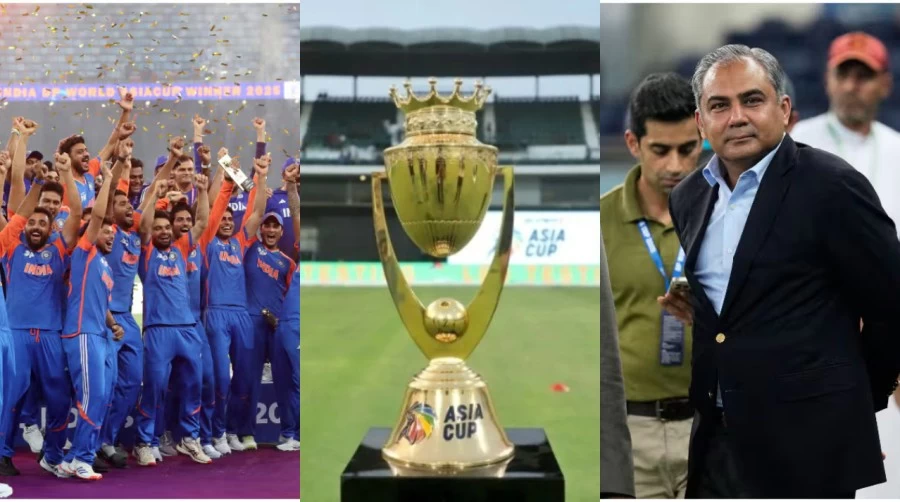
Thirty-four days have passed since the Indian cricket team clinched the prestigious Asia Cup 2023 title on September 28, yet the trophy remains elusive. This unprecedented delay has sparked a significant controversy within the cricketing world, as a champion. Team finds itself in an unusual predicament, unable to receive the symbol of its triumph. The Board of Control for Cricket in India (BCCI) has adopted a firm stance on the matter, which is the primary reason behind this extraordinary delay in the trophy's handover. This entire episode has brought to light underlying tensions in international cricket relations, and all eyes are now fixed on the upcoming International Cricket Council (ICC) meeting for a potential resolution.
BCCI's Unwavering Refusal to Accept Trophy from Mohsin Naqvi
At the heart of this escalating dispute is the BCCI's clear and resolute refusal to accept the Asia Cup trophy from Mohsin Naqvi, who serves as both the Chief of the Asian Cricket Council (ACC) and the Pakistan Cricket Board (PCB). The BCCI's position is rooted in its belief that accepting the trophy directly from Naqvi,. Given his dual role and the prevailing political and military tensions with Pakistan, would be inappropriate. Devjeet Saikia, the Secretary of the BCCI, has unequivocally stated that the board's stance is firm and has not wavered. He emphasized that if the intention was to receive the trophy from Naqvi, it would have been accepted on the day of the final itself. This refusal isn't merely a matter of ceremonial protocol; it underscores India's profound security and political concerns, particularly in light of the Pahalgam terror attack, which served as a significant catalyst for this decision.
ICC Meeting Set to Address the Trophy Impasse
Given the gravity of this standoff, cricket enthusiasts and the global cricketing fraternity are now keenly awaiting the crucial International Cricket Council (ICC) meeting scheduled to commence on November 4 in Dubai. India has made it abundantly clear that it intends to raise. The issue of the withheld Asia Cup trophy prominently during this meeting. BCCI Secretary Devjeet Saikia confirmed on Saturday that the board would indeed bring up the Asia Cup trophy dispute at its Annual General Meeting. He further disclosed that the BCCI had previously sent a letter to the ACC regarding this matter approximately ten days ago, but unfortunately, no positive response was received. This indicates the seriousness with which the BCCI is approaching the issue, seeking an international platform to discuss and resolve this diplomatic cricketing challenge.
Mohsin Naqvi's Stance and the Trophy's Current Location
Conversely, ACC Chief Mohsin Naqvi remains equally steadfast in his position. As the head of the ACC, he insists on personally presenting the trophy to the victorious Indian team. This insistence was evident during the presentation ceremony following the Asia Cup final. When the Indian team declined to accept the trophy from him, Naqvi. Reportedly took the trophy and medals with him to a hotel in Dubai. Subsequently, before his departure to Pakistan, he left the trophy at the ACC office in Dubai. However, Naqvi later asserted that no one could touch the trophy without his explicit permission and suggested that if Indian captain Suryakumar Yadav wished to collect it, he could do so from the ACC office, while currently, the trophy is reportedly in Mohsin Naqvi's possession in Abu Dhabi, further complicating the already intricate situation.
The Day of the Final: Unfolding of the Controversy
On September 28, the Indian team secured a resounding victory over Pakistan in the Asia Cup final. However, the post-match presentation ceremony quickly devolved into a contentious affair. The Indian team, as anticipated, refused to accept the Asia Cup trophy from Mohsin Naqvi. The presenter, Simon Doull, announced on stage that the Indian team wouldn't be receiving awards from Naqvi. While India was prepared to accept the trophy from any other ACC official, Naqvi remained adamant about presenting it himself. This impasse led to the abrupt conclusion of the ceremony, with Naqvi departing the stage, taking the trophy and medals with him. This dramatic turn of events was a direct consequence of India's strong protest against the. Pahalgam terror attack, further exacerbating the existing tensions in cricketing relations between the two nations.
On-Field Tensions: No Handshakes and '6-0' Gestures
The trophy dispute wasn't the sole manifestation of the strained relations between India and Pakistan during the Asia Cup tournament; tensions were palpable on the field as well, while indian players notably refrained from shaking hands with their Pakistani counterparts throughout the tournament, a clear reflection of the prevailing political and security concerns between the two countries. This was a symbolic gesture indicating India's unwillingness to normalize relations with Pakistan until issues of cross-border terrorism are addressed. In contrast, Pakistani players were observed repeatedly making '6-0' gestures. These gestures were reportedly a reiteration of Pakistan's "fake claim" that they had shot down six Indian fighter jets during "Operation Sindoor. " These incidents underscore that the cricket pitch, too, isn't immune to the broader geopolitical sensitivities, and the trophy controversy is yet another symptom of this larger, complex dynamic.
Naqvi's Defense: "I Stood There Like a Cartoon"
Following the Asia Cup final, when the BCCI lodged a strong protest at the ACC's Annual General Meeting regarding the non-presentation of the trophy despite India being the champions, Mohsin Naqvi offered his defense. Naqvi stated that he had not received any written communication informing him that the Indian team would refuse to accept the trophy from him. Expressing his frustration, he remarked, "I stood there like a cartoon for no reason. " Naqvi's statement highlights a potential communication breakdown or misunderstanding that may have exacerbated the dispute. However, the BCCI's assertion that they had sent a letter to the ACC suggests a discrepancy in understanding or acknowledgment between the two parties regarding the pre-informed stance. **What Lies Ahead? All attention is now squarely focused on the upcoming ICC meeting, scheduled to commence on November 4 in Dubai. This meeting is poised to serve as a critical platform for addressing and potentially resolving this contentious dispute. The BCCI has made its intentions clear: it will raise this issue on an international stage, thereby increasing pressure on both the ACC and the ICC to intervene and facilitate a resolution. It will be intriguing to observe how the ICC navigates this sensitive matter, especially given the involvement of two prominent cricket boards and their intricate political affiliations. The Indian team eagerly awaits its well-deserved trophy to commemorate its victory, and there is hope that the ICC's mediation will lead to a swift resolution of this ongoing impasse.
