

- India,
- 21-Dec-2025 05:30 PM IST


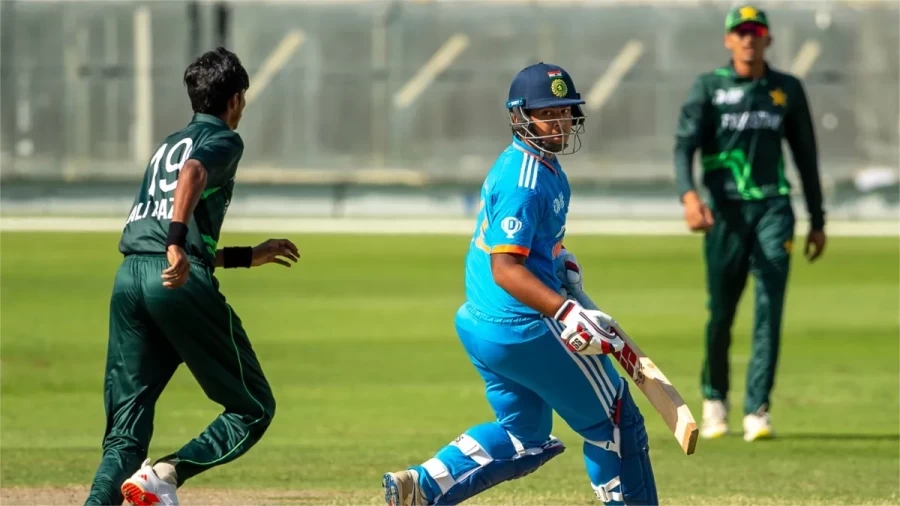
The Indian U19 cricket team's impressive unbeaten run in the Asia Cup came to an abrupt and disappointing end in the final, where they faced a formidable challenge from arch-rivals Pakistan. In a high-stakes encounter, the Indian side succumbed to a massive 191-run defeat, dashing their hopes of lifting the coveted trophy. This loss marks a significant moment for the young Indian squad, as it was their first defeat in the entire tournament, having previously won every single match leading up to the final showdown.
Toss and Pakistan's Dominant Batting Display
Indian captain Ayush won the toss and elected to bowl first, a decision that, in hindsight, proved to be detrimental for his team. Pakistan capitalized on this opportunity, unleashing a powerful batting performance. They posted a daunting total of 347 runs for the loss of 8 wickets in their allotted 50 overs, while this colossal score immediately put immense pressure on the Indian team, setting a target that would require an exceptional batting effort to chase down. The Pakistani batsmen showed great intent and aggression from the outset, consistently finding boundaries and rotating the strike effectively against the Indian bowlers.
Samir Minhas's Match-Winning Century
The cornerstone of Pakistan's imposing total was an extraordinary innings played by Samir Minhas. He crafted a magnificent 172 runs, an innings that can be described as truly decisive in the context of the match. Minhas displayed a masterclass in batting, combining aggression with composure, and hitting boundaries all around the park. His monumental effort ensured that Pakistan built a score that was well beyond India's reach. Minhas's ability to dominate the Indian bowling attack and maintain a high scoring rate throughout his innings was a key factor in setting such a challenging target.
India's Batting Collapse
Chasing a mammoth target of 348 runs, the Indian team's innings got off to the worst possible start. Captain Ayush was dismissed for a mere two runs, putting immediate pressure on the batting lineup, while aaron George, batting at number three, also failed to make a significant contribution, managing only 14 runs before his departure. Vaibhav Suryavanshi showed some glimpses of brilliance, hitting a few attractive strokes, but his stay at the crease was short-lived. He scored a quickfire 26 runs off just 10 balls, including some boundaries and sixes, but couldn't convert his start into a substantial innings.
Rapid Fall of Wickets and Inability to Build Partnerships
The rapid fall of three to four early wickets plunged the Indian team into deep trouble. The batting order crumbled under pressure, and no significant partnerships could be forged to stabilize the innings or mount a serious challenge to the target. Pakistani bowlers maintained tight lines and lengths, making it incredibly difficult for the Indian batsmen to score freely. With wickets falling at regular intervals, the Indian team found themselves far from the winning target. Ultimately, the entire team was bowled out for a mere 156 runs, resulting in a comprehensive 191-run defeat. This collapse highlighted the immense pressure of a final and the difficulty of chasing such a large total against a disciplined bowling attack.
It's noteworthy that the same Indian team had comprehensively defeated Pakistan by a margin of 90 runs in the league stage of the tournament, while india had played exceptionally well in the league phase, winning all their matches and building significant momentum, which led to high expectations for the final. However, the pressure of the final seemed to get the better of the young Indian players, while the intensity of a championship match often affects young athletes' performance, and this was evident in the final. The Indian team was unable to perform to its full potential, leading to their defeat, while this loss not only halted their winning streak but also serves as a crucial learning experience for the young cricketers on how to handle pressure in big matches and execute their strategies effectively under challenging circumstances.
