

- India,
- 05-Feb-2026 10:42 PM IST


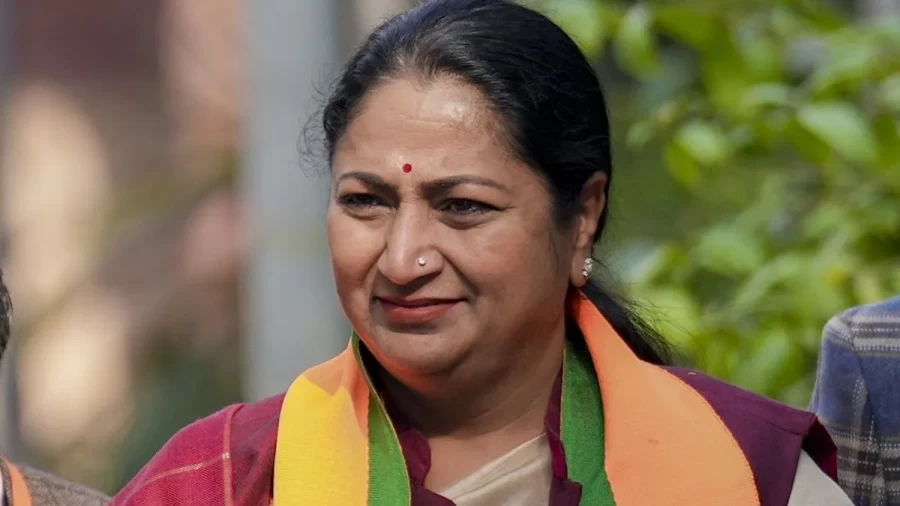
Delhi Chief Minister Rekha Gupta has articulated a comprehensive vision to address the persistent challenges of air and water pollution in the national capital, while characterizing the current environmental crisis as a "legacy problem," the Chief Minister attributed the severity of the situation to the short-term policies and alleged negligence of previous administrations. She emphasized that her government is moving away from ad-hoc crisis management toward a holistic, long-term blueprint designed to deliver sustainable environmental improvements for the city's residents.
Moving Beyond Temporary Emergency Measures
Addressing criticisms regarding the efficacy of the Graded Response Action Plan (GRAP), the odd-even scheme, and the use of anti-smog guns, CM Rekha Gupta clarified that these measures were never intended as permanent solutions. She noted that while these tools provide temporary relief during peak pollution periods, they don't address the root causes. The Chief Minister criticized the previous government's reliance on publicity-driven initiatives and temporary fixes, asserting that a fragmented approach to air quality is insufficient. Instead, she advocated for an integrated strategy that simultaneously addresses air quality, water pollution, and dust management.
Strategic Expansion of Zero-Emission Public Transport
A cornerstone of the new blueprint is the complete overhaul and electrification of Delhi's public transportation system. Recognizing vehicular emissions as a primary contributor to pollution, the Chief Minister detailed a phased plan to transition toward a zero-emission fleet. Currently, Delhi operates approximately 3,600 buses, with 1,700 units recently added by the present administration. The government aims to increase this number to 7,700 by December 2026. Also, the Chief Minister set a target of 11,000 electric and clean-fuel buses by 2028 to meet the city's actual demand and Notably reduce the carbon footprint of urban mobility.
Integrated Approach to Dust and Waste Management
The Chief Minister identified road dust and inadequate waste management as critical factors that push pollution levels into the 'severe' category during winter months. While anti-smog guns and sprinklers offer localized relief, the government's long-term strategy focuses on structural reforms in dust control and scientific waste disposal, while cM Gupta stated that the government is prioritizing long-term planning over temporary misting techniques, focusing on improving road infrastructure and waste processing capabilities to prevent pollutants from entering the atmosphere at the source.
Analysis of the Structural Shift in Governance
According to environmental analysts, the shift from emergency-response governance to a long-term structural framework is a necessary evolution for Delhi's environmental policy, while experts suggest that the focus on expanding the electric bus fleet to 11,000 units by 2028 could serve as a transformative step in reducing private vehicle dependency. However, analysts also point out that the success of this blueprint will depend heavily on inter-departmental coordination and the timely execution of infrastructure projects. The emphasis on a holistic approach—treating air, water, and dust as interconnected issues—is seen by observers as a more scientifically grounded strategy than previous isolated efforts.
Ultimately, Chief Minister Rekha Gupta's blueprint represents a strategic pivot in Delhi's battle against pollution. By framing the issue as a structural challenge requiring long-term investment rather than a seasonal crisis, the administration has set ambitious targets for 2026 and 2028. The focus on zero-emission public transport and comprehensive dust management outlines a roadmap that, if implemented effectively, could fundamentally alter the environmental trajectory of the national capital.
