

- India,
- 01-Feb-2026 07:00 AM IST


The Indian cricket team showcased an extraordinary display of power-hitting in the final match of the five-match T20I series against New Zealand on home soil. In a high-stakes encounter ahead of the T20 World Cup 2026, India posted a monumental total of 271 runs in their allotted 20 overs. This aggressive batting performance allowed Team India to shatter the world record for the most sixes hit by a single team in a five-match bilateral T20I series, marking a significant milestone in international cricket history.
Throughout the series, the Indian batting lineup maintained a relentless scoring rate, consistently putting the New Zealand bowlers under pressure. The achievement in the final match not only secured a dominant position for India in the series but also redefined the statistical benchmarks for T20 internationals. With the exception of a few minor setbacks, the majority of the Indian batsmen remained in peak form, enabling the team to surpass long-standing records previously held by England and Australia.
Shattering England and Australia's Milestones
According to official match statistics, the Indian team hit a total of 69 sixes across the five matches of the T20I series. This feat effectively broke the previous record held by England, who had struck 64 sixes during their series against the West Indies in 2023. Australia had also reached the 64-sixes mark against the West Indies in 2025. By reaching 69 sixes, India has now claimed the top spot in this statistical category. The final match played a pivotal role in this achievement, as the Indian batters cleared the boundary 23 times in a single innings.
Ishan Kishan's Century and Captain's Contribution
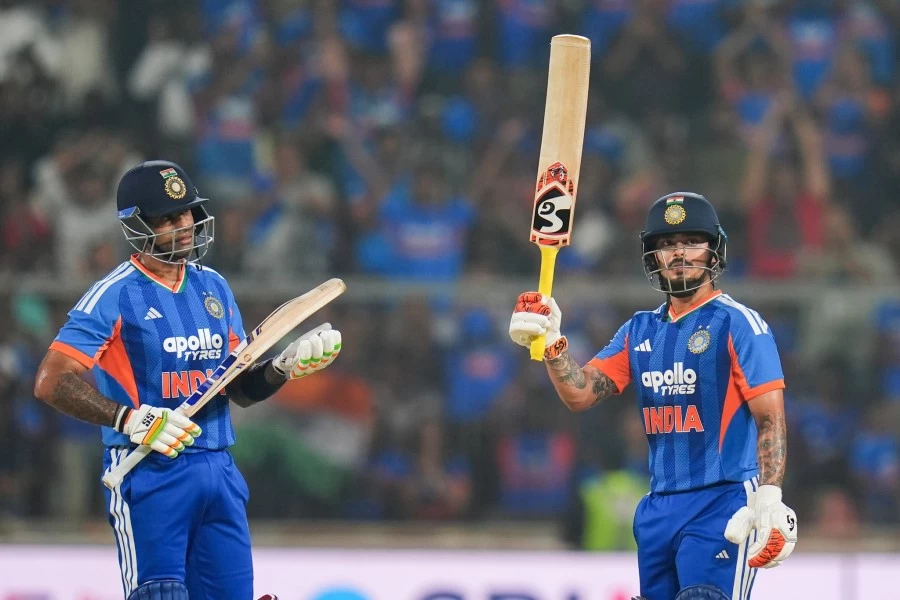
The highlight of the final T20I was a spectacular century by opener Ishan Kishan. Kishan dominated the crease, scoring 103 runs with a flurry of boundaries and sixes that left the opposition struggling for answers. Supporting him at the other end, captain Suryakumar Yadav played a crucial knock of 63 runs, maintaining the momentum throughout the middle overs. Their combined efforts were instrumental in propelling India to the 271-run mark, a total that proved to be well beyond the reach of the visiting side.
Equaling the Record for Most Sixes in an Innings
In addition to the series record, India also equaled their own record for the most sixes hit in a single T20I innings. By hitting 23 sixes in the fifth match against New Zealand, they matched the feat they first achieved against South Africa in Johannesburg in 2024. This consistency in high-scoring performances highlights the evolution of India's batting strategy, focusing on maximizing boundary opportunities and maintaining a high strike rate regardless of the match situation.
Statistical Analysis and Expert Perspectives
According to cricket analysts, India's performance in this series reflects a strategic shift towards a more aggressive T20 philosophy. 8 sixes per match during the series, a figure that underscores their dominance. Analysts suggest that the team's focus on power-hitting in the powerplay and death overs has been the primary driver behind these record-breaking numbers. The depth in the batting order has allowed individual players like Ishan Kishan and Suryakumar Yadav to play with freedom, knowing that the lineup remains strong even in the event of early wickets.
To sum it all up, the T20I series against New Zealand has been a historic chapter for Indian cricket. The new record of 69 sixes serves as a testament to the team's batting prowess and their preparation for upcoming global tournaments. As the team continues to refine its approach, this performance sets a high standard for international T20 cricket, signaling India's intent to remain a dominant force in the format.
