

- India,
- 16-Mar-2026 04:41 PM IST


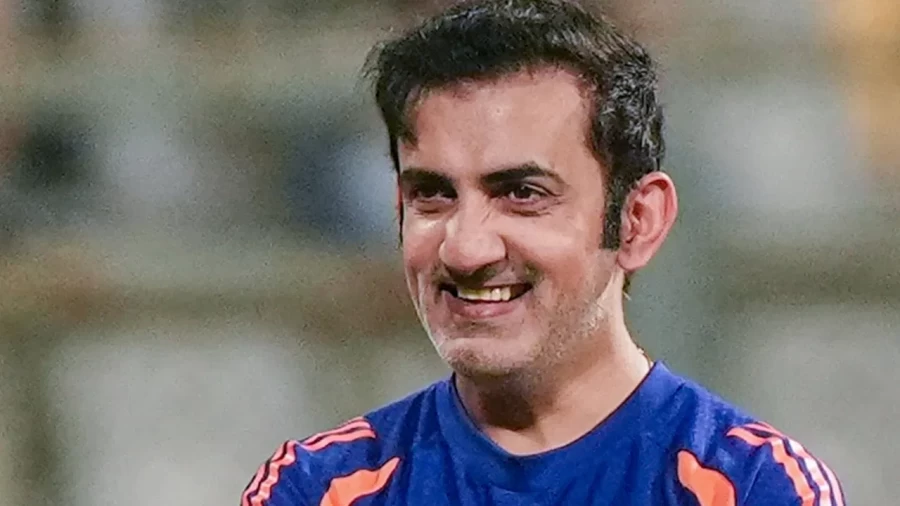
Following India's successful defense of the T20 World Cup title in 2026, head coach Gautam Gambhir has addressed the criticisms regarding his decision-making process during his tenure. In a detailed conversation with REVZSPORTZ, Gambhir emphasized that his role involves taking calculated risks and that he's entitled to make mistakes as long as they're made with the right intentions for the team's success. Under Gambhir's leadership, the Indian team has maintained a dominant position in the shortest format of the game, securing consecutive global titles. The coach reflected on the pressures of the job and the necessity of maintaining a clear conscience while managing elite athletes.
Acceptance of Human Error and Professional Honesty
Gautam Gambhir stated that he views himself as a human being who is prone to errors, just like the players he coaches, while he acknowledged that during the last 18 months, he has made several decisions that could be categorized as mistakes. However, he maintained that honesty remains the cornerstone of his relationship with the players. Gambhir explained that he makes it a point to maintain direct eye contact with every individual in the dressing room, ensuring that all communications are transparent. According to the coach, as long as a mistake is made with a positive intent for the team, it should be part of the learning process in professional sports.
Strategic Player Backing and Tactical Decisions
One of the defining features of Gambhir's coaching stint has been his unwavering faith in his players during their challenging phases. During the T20 World Cup 2026, players like Abhishek Sharma and Suryakumar Yadav faced periods of low scoring, yet Gambhir's support remained steadfast. He argued that a coach's belief in a player shouldn't fluctuate based on the results of just 3-4 matches. This philosophy was evident when he chose to persist with his core group despite external pressure to make changes. Gambhir noted that providing a secure environment is essential for players to perform at their peak on the international stage.
The Sanju Samson and Abhishek Sharma Masterstroke
The tactical decision to promote Sanju Samson as an opener alongside Abhishek Sharma proved to be a significant turning point in India's campaign. Despite initial skepticism from critics, Samson's consistent performances led him to be named the Player of the Tournament. Gambhir revealed that the decision to prefer Samson over other options like Ishan Kishan was based on a specific strategic vision for the powerplay overs, while by giving Samson a clear role and the freedom to play his natural game, the management was able to extract the best out of the wicketkeeper-batsman, contributing Notably to the championship win.
Differentiating Between Form and Scoring Runs
A significant part of Gambhir's coaching philosophy involves a technical distinction between being 'out of form' and being 'out of runs'. He explained that a player might be hitting the ball well and showing good technical discipline but still failing to put up big numbers on the scoreboard. According to Gambhir, Abhishek Sharma was a prime example of a player who was never truly out of form but was simply going through a phase where the runs weren't coming. He emphasized that management must recognize this difference to avoid making premature changes that could damage a player's confidence and the team's balance.
Vision for Los Angeles Olympics 2028
Looking beyond the immediate success of the T20 World Cup, Gautam Gambhir expressed a strong desire to be part of the Indian contingent for the 2028 Los Angeles Olympics. With cricket making its return to the Olympic Games, Gambhir views the event as a prestigious opportunity for Indian sports, while he stated that representing the nation on the Olympic stage would be a matter of immense pride and a unique challenge. According to the coach, the Indian team will be strong contenders for the gold medal, and he aims to prepare the squad for this historic milestone in global sports, marking a new chapter for Indian cricket.
