

- India,
- 01-Apr-2026 09:20 PM IST


Iran has formally dismissed claims made by US President Donald Trump regarding a purported request for a ceasefire from Tehran, while the Iranian Foreign Ministry described the assertions as entirely baseless and devoid of truth. This development comes amid heightened regional tensions and a complete breakdown in diplomatic trust between the two nations, as both sides maintain rigid stances on maritime security and military operations.
Official Denial from Tehran
Foreign Ministry spokesperson Esmaeil Baghaei issued a statement on Wednesday categorically rejecting the claims made by Donald Trump. According to Baghaei, there has been no communication or request from the Iranian side seeking a ceasefire. The spokesperson emphasized that such statements are factually incorrect and suggested they might be intended for political posturing. Tehran maintains that its defensive policies remain unchanged despite external pressure.
IRGC Stance on the Strait of Hormuz
The Islamic Revolutionary Guard Corps (IRGC) has reinforced its position regarding the Strait of Hormuz, a critical global shipping lane. In an official statement, the IRGC declared that the waterway is under the full and decisive control of Iran. Officials stated that the passage wouldn't be opened for the United States or any other nation deemed an adversary, while the IRGC characterized Trump's recent comments as ridiculous, asserting their sovereign right to manage the strategic corridor.
Details of Trump’s Social Media Statement
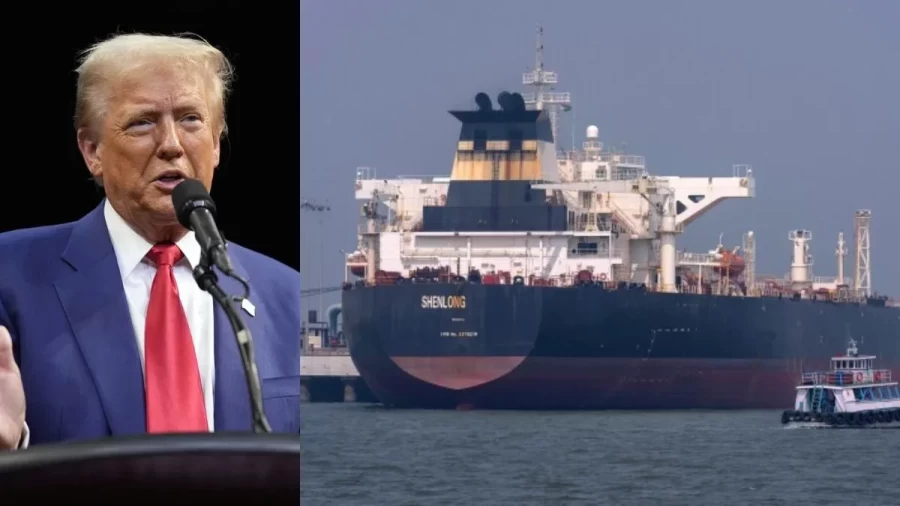
The controversy erupted following a post by Donald Trump on his Truth Social platform. Trump claimed that Iran had approached the United States seeking a ceasefire. He further alleged that he responded to this request by demanding the immediate opening of the Strait of Hormuz. Trump’s post included a warning that the United States would continue military actions against Iranian interests if the strategic waterway remained restricted.
Diplomatic Deadlock and Lack of Trust
Iranian Foreign Minister Abbas Araghchi has ruled out the possibility of immediate diplomatic negotiations with the US administration, citing a total lack of trust, while araghchi stated that past experiences with American diplomacy have not been favorable and accused Washington of lacking sincerity. Also, Ebrahim Azizi, head of the Iranian Parliament's National Security Committee, noted that the Strait of Hormuz would remain closed to countries that don't comply with regional security regulations.
Strategic Importance and Regional Security
The Strait of Hormuz is a vital artery for global energy supplies, with a significant portion of the world's oil passing through it daily. Iran has consistently utilized its geographical advantage to assert influence over the region's maritime security, while according to Iranian officials, the military presence in the area is intended to safeguard national interests and deter foreign intervention. The current exchange of rhetoric underscores the volatile nature of US-Iran relations.
