

- India,
- 14-Mar-2026 05:44 PM IST


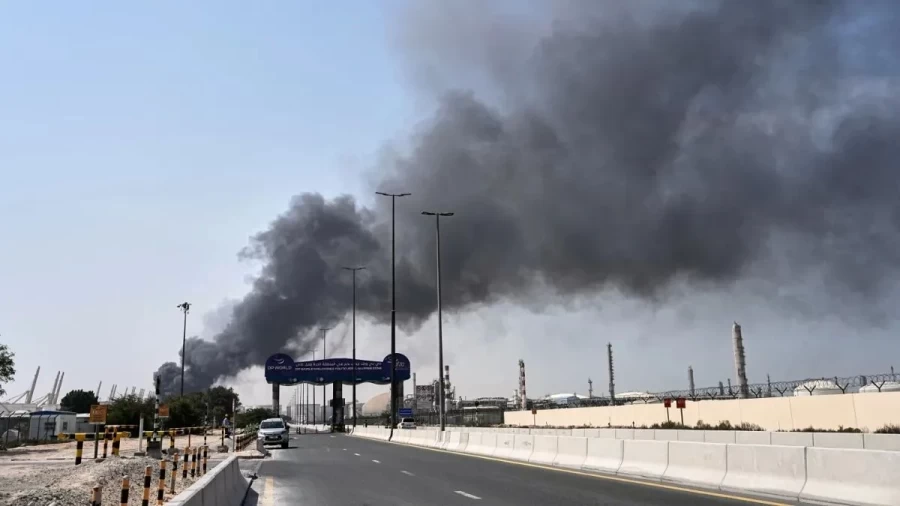
Tehran has intensified its rhetoric against Washington by threatening to target oil infrastructure linked to the United States in the Middle East. " This development occurs against the backdrop of a 15-day military escalation involving Israel and Iran, which has already destabilized regional security and sent shockwaves through global energy markets. Officials state that the current situation represents one of the most significant threats to the global oil supply chain in recent decades.
Escalation of Rhetoric and Official Warnings from Tehran
The Iranian leadership has made it clear that its military strategy now includes direct strikes on commercial and energy assets associated with the United States. According to statements released by the office of the Supreme Leader, the threat to destroy oil facilities is a direct response to perceived aggression from the US and its regional allies. Iranian officials have emphasized that their missile and drone capabilities are sufficient to reach key energy hubs across the Persian Gulf. This warning has prompted security agencies worldwide to reassess the safety of oil refineries, pipelines, and storage units operating in proximity to the conflict zone.
Strategic Blockade of the Strait of Hormuz
A critical component of the current crisis is the ongoing blockade of the Strait of Hormuz by Iranian forces, while according to maritime trade data, approximately 20% of the world's total oil consumption passes through this narrow waterway daily. Iranian officials have confirmed that the blockade will remain in place as part of their strategic defense. This move has effectively choked the primary exit route for oil exports from major producers in the region. Shipping companies have reported significant delays and increased insurance premiums for vessels operating in the area, further complicating the logistics of global energy distribution.
Global Energy Market Disruptions and Price Surges
The threat to oil infrastructure has led to immediate volatility in international crude oil prices. Brent crude and West Texas Intermediate (WTI) have both seen substantial price increases since the onset of the conflict. Energy analysts, according to official reports, suggest that the market is pricing in the risk of a prolonged supply disruption, while the potential loss of US-linked production facilities in the Middle East could lead to a structural deficit in global oil markets. Many nations are now monitoring their strategic petroleum reserves as a precautionary measure against further price spikes and supply shortages.
Regional Security and Risks to US Military Assets
The threat from Tehran has placed US military and commercial assets in the Middle East on high alert. Defense officials note that American bases and corporate infrastructure in countries such as Iraq, Kuwait, and Saudi Arabia are within the operational range of Iranian ballistic missiles. The regional security landscape has become increasingly complex as various factions align themselves within the conflict. According to military observers, the risk of a direct confrontation between US forces and Iranian assets has reached a critical level, with potential implications for the entire geopolitical stability of the region.
Economic Implications for Major Oil Importing Nations
Major oil-importing countries, including India, are facing significant economic pressure due to the rising cost of energy. India imports over 80% of its crude oil requirements, a large portion of which originates from the Middle East. According to government officials, the disruption in the Strait of Hormuz and the subsequent price hike could impact the national trade deficit and domestic inflation rates. Authorities are reportedly exploring alternative supply routes and diversifying import sources to mitigate the impact. The continued instability in the region poses a direct threat to the economic recovery and growth targets of several emerging economies.
🇺🇸 🇮🇷 Iran has threatened to reduce US-linked oil facilities to "a pile of ashes" as the two-week-old Middle East war spilled over into a global oil price crisis.
— AFP News Agency (@AFP) March 14, 2026
➡️ https://t.co/UpZA0rbBkk pic.twitter.com/pIC1hWZpfy
