

- India,
- 09-Dec-2025 11:02 AM IST


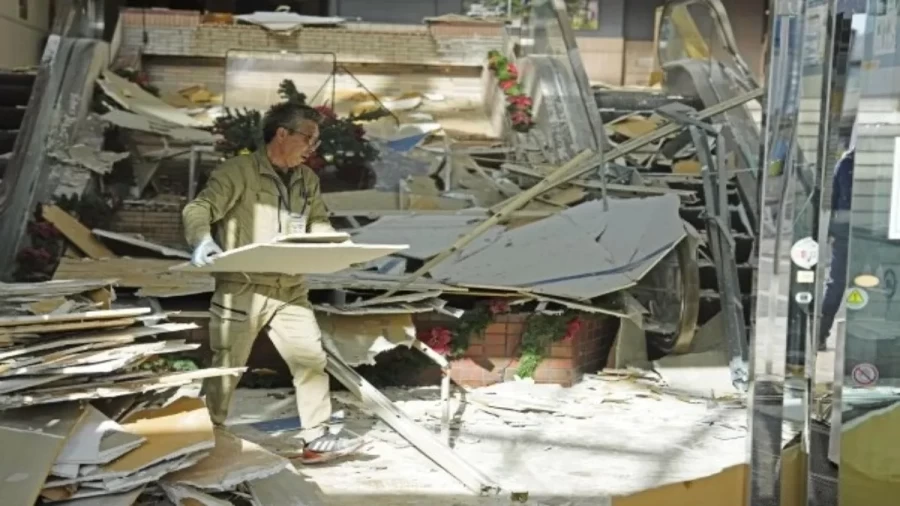
A powerful 7. 5 magnitude earthquake struck northern Japan late Monday night, bringing with it a. Tsunami to the Pacific coastal areas and spreading widespread panic among the populace. The natural disaster has resulted in at least 23 reported injuries, and authorities are currently in the process of assessing the full extent of the damage, while following the initial tremor, a series of strong aftershocks have continued to rattle the region, intensifying the fear and anxiety among local residents. The Japan Meteorological Agency has issued a stern warning regarding the potential for further tremors in the coming days, urging the public to remain vigilant and prepared.
Tsunami Impact and Advisories
The earthquake occurred at approximately 11:15 PM local time, with its epicenter located in the Pacific Ocean, roughly 80 kilometers (50 miles) off the coast of Aomori, the northernmost prefecture on Japan's main Honshu island. Initial reports had estimated the earthquake's magnitude at 7. 6, but this was later revised down to 7. 5 by the Japan Meteorological Agency. This powerful seismic event caused significant shaking across the entire region, leading. To noticeable tremors in buildings and prompting many residents to evacuate their homes. The depth of the earthquake also played a crucial role in determining its widespread impact. Immediately following the earthquake, tsunami warnings were issued for the Pacific coastal areas. The Japan Meteorological Agency reported that a tsunami of up to 70 centimeters (2. Feet, 4 inches) was measured at Kuji port in Iwate prefecture, south of Aomori. On top of that, other coastal communities in the region experienced tsunami waves up to 50 centimeters high, while initially, the agency had anticipated tsunami waves as high as 3 meters (10 feet) in some areas, but this was later downgraded to an advisory. Chief Cabinet Secretary Minoru Kihara urged residents to move to higher ground or seek shelter until the advisory was lifted, emphasizing the importance of taking precautions against any potential dangers.
Continuous Aftershocks and Public Disruption
The persistent aftershocks following the main earthquake have created a climate of fear among the population. Nobuo Yamada, a local resident and convenience store owner, shared his experience, stating, "I've never experienced such a big earthquake before. Fortunately, the power lines in our area were still working. " The continuous tremors have kept people on edge, with many fearing another major quake. This ongoing seismic activity has Importantly disrupted daily life, forcing residents to remain alert and prepared for any eventuality, while the psychological toll of these repeated shocks is considerable, as communities grapple with uncertainty.
Infrastructure and Services Affected
The earthquake and subsequent aftershocks have led to several disruptions in essential services and infrastructure. Approximately 800 homes in the affected region experienced power outages, plunging many areas into darkness and adding to the distress of residents. On top of that, transportation networks were Importantly impacted, with Shinkansen bullet trains and some local train lines in the area being suspended. These cancellations were implemented as a precautionary measure to ensure the safety of passengers and to allow for thorough inspections of the railway infrastructure for any potential damage. The suspension of these vital transport links has undoubtedly caused inconvenience for commuters and travelers.
Nuclear Plant Safety Assurances
In the aftermath of the earthquake, immediate safety checks were initiated at the region's nuclear power plants. Chief Cabinet Secretary Kihara confirmed that these inspections were underway to ensure there were no critical issues. The Nuclear Regulation Authority reported a minor incident at the Rokkasho fuel reprocessing plant in Aomori, where approximately 450 liters (118 gallons) of water spilled from the fuel cooling area. However, the authority quickly clarified that the water level remained within normal limits, and there were no safety concerns related to the spill, while this swift assessment helped to alleviate potential fears regarding nuclear safety in the affected region.
Warnings for Future Seismic Activity
The Japan Meteorological Agency has issued a critical warning about the potential for further seismic activity in the coming days. The agency stated that there is a slightly increased risk of an earthquake with a magnitude of 8 and a potential tsunami along Japan's northeastern coast, stretching from Chiba, east of Tokyo, all the way to Hokkaido. This heightened alert underscores the unpredictable nature of seismic events. Satoshi Harada, an official from the agency's earthquake and volcano division, emphasized the need for preparedness, advising, "You need to be prepared, assuming that such a disaster could happen again. " Residents in the 182 municipalities within the affected region have been urged to review their emergency preparedness plans over the coming week.
Subsequent Tremors and Historical Context
Adding to the ongoing seismic activity, the U, while s. Geological Survey reported another earthquake with a magnitude of 5. 1 early Tuesday morning. This tremor occurred approximately 122 kilometers (76 miles) south of Honshu, at a depth of 35 kilometers. The Japan Meteorological Agency further specified that this earthquake was about 80 kilometers (50 miles) northeast of Hachinohe and approximately 50 kilometers (30 miles) below the sea surface. This region is notably just north of the Japanese coast where a devastating 9. 0 magnitude earthquake and tsunami struck in 2011, claiming approximately 20,000. Lives and causing the destruction of the Fukushima Daiichi nuclear power plant. While the current event is distinct, the historical context serves as a stark reminder of Japan's vulnerability to powerful seismic events and the critical importance of solid disaster preparedness measures.
