
- India,
- 13-Sep-2026 08:22 PM IST



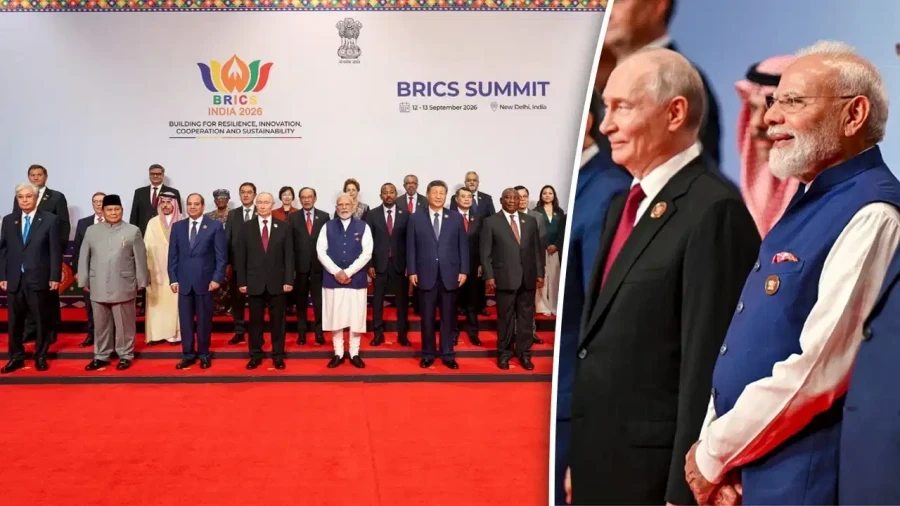
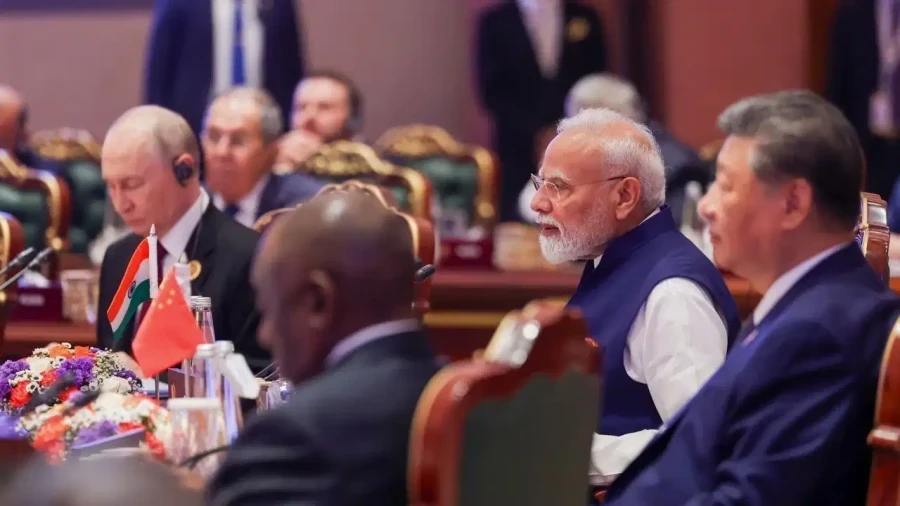
The 18th BRICS Summit, held in New Delhi under India's presidency, has concluded with significant global implications. Over the course of three days, the world witnessed the strength of Indian diplomacy as Prime Minister Narendra Modi engaged in 15 one-to-one bilateral meetings with various world leaders. The summit culminated in the unanimous adoption of the New Delhi Declaration, a document that reflects a shared vision on global politics, security, and economic cooperation. The event was marked by India's ability to navigate complex geopolitical tensions, bringing together nations with conflicting interests on a single platform.
The New Delhi Declaration and Global Consensus
A primary highlight of the 18th BRICS Summit was the issuance of the New Delhi Declaration. This joint statement saw all member nations reaching a consensus on critical issues such as international conflicts, trade, and global governance. The declaration serves as a roadmap for the group's collective stance on the world stage, emphasizing the need for a multipolar world order where the voices of developing nations are given due weight. The consensus reached under India's leadership is seen as a major diplomatic victory, especially given the diverse and sometimes opposing viewpoints within the expanded BRICS framework.
Diplomatic Triumph: Iran, UAE, and Saudi Arabia on One Stage
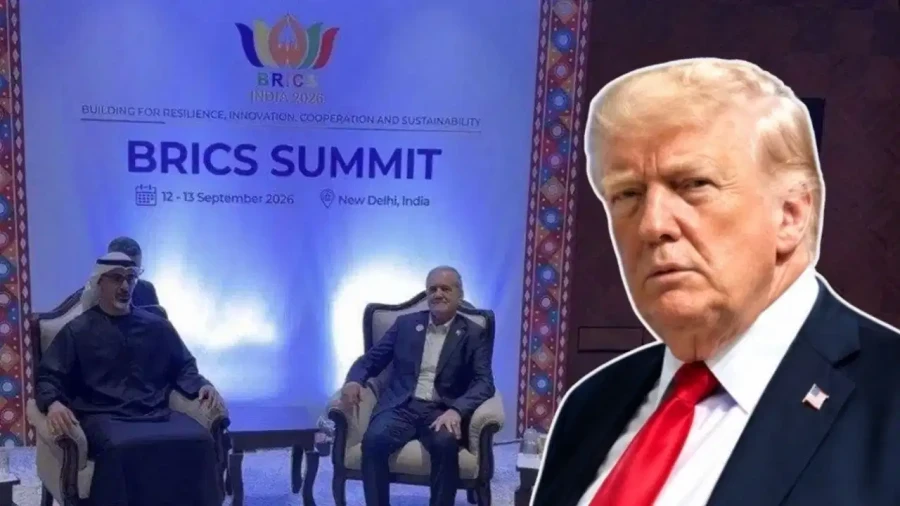
One of the most challenging diplomatic feats achieved during this summit was bringing Iran, the United Arab Emirates (UAE), and Saudi Arabia together on the same platform. India hosted the BRICS summit for the fourth time, but this edition presented unique challenges. Shortly after India took over the presidency, tensions escalated in West Asia involving these nations, while despite the friction, India successfully ensured the participation of all three countries, demonstrating its role as a credible mediator and a stabilizing force in global politics. PM Modi held separate discussions with the heads of these nations to appeal for peace and stability in the region.
Modi-Xi Jinping Meeting: Attempting a Relationship Reset
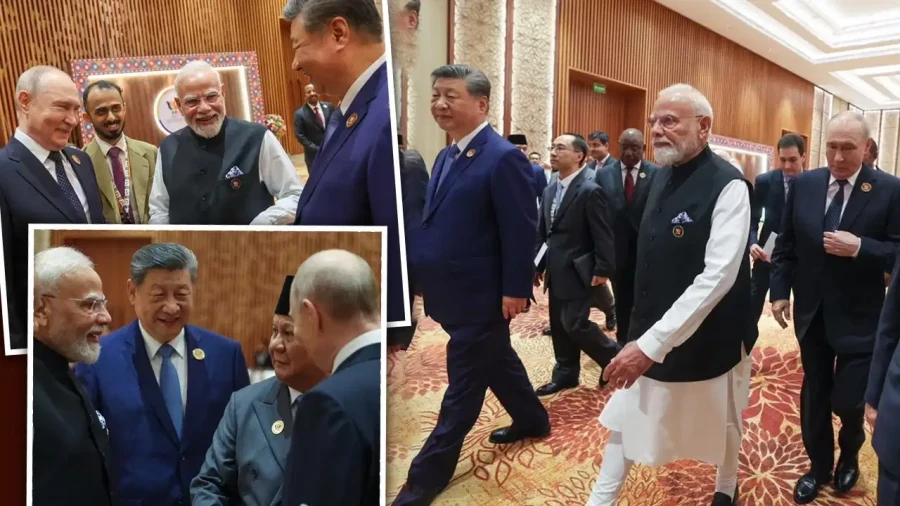
The summit provided a crucial opportunity for a bilateral meeting between Prime Minister Narendra Modi and Chinese President Xi Jinping. This meeting was particularly significant given the border tensions that have persisted since 2020. The discussions focused on bilateral relations, maintaining peace at the border, trade, and mutual cooperation. President Xi's visit and the subsequent dialogue are being viewed as a vital step toward normalizing relations between the two Asian giants. China acknowledged India's growing influence and expressed a willingness to work together in the current global context.
Modi-Putin Dialogue and the Russia-Ukraine Conflict
Prime Minister Modi also held extensive talks with Russian President Vladimir Putin, while the discussions covered the ongoing Ukraine conflict, strategic cooperation, and bilateral trade. A notable moment during the summit was the car ride shared by Modi and Putin, which sent a strong symbolic message of the deep-rooted partnership between India and Russia. President Putin also signaled his support for peace initiatives regarding the Russia-Ukraine situation during the summit, further highlighting the diplomatic weight of the BRICS platform.
Economic Agenda: De-dollarization and Local Currencies
The economic discussions at the summit focused heavily on reducing dependence on the US dollar. Member nations emphasized the promotion of local currencies for cross-border transactions and financial cooperation. The BRICS economic agenda is moving toward establishing alternative payment systems to strengthen financial independence among member states. This shift is intended to protect the economies of the Global South from unilateral sanctions and external economic pressures.
Strong Stance Against Terrorism
The New Delhi Declaration included a powerful message against terrorism in all its forms. The member nations called for decisive action against terror funding and the elimination of safe havens. Notably, the Pahalgam terror attack was mentioned in the shared stance of the BRICS nations, reflecting India's success in bringing regional security concerns to the forefront of the global agenda. The group agreed on taking a tough stand against countries that provide shelter to terrorists.
Focus on Global South and UN Reforms
India utilized the BRICS platform to champion the cause of the Global South, while the summit emphasized the need for greater participation of developing countries in the United Nations and other global institutions. India reiterated its demand for a permanent seat on the UN Security Council, arguing that global bodies must reflect the realities of the 21st century to remain relevant and effective. The strengthening of the Global South's role in global governance was a recurring theme throughout the three-day event.
Technology, AI, and Future Cooperation
Looking toward the future, the summit identified emerging technologies, including Artificial Intelligence (AI), as a key area for cooperation. The leaders agreed to establish frameworks for collaboration in AI, digital farming, and the development of MSMEs (Micro, Small, and Medium Enterprises). The focus also extended to healthcare, infrastructure, and skill development for the youth. By prioritizing these sectors, BRICS aims to foster sustainable development and innovation across its member nations.
Energy, Climate, and Sustainable Development
The economic agenda of the summit also gave significant importance to energy transition, food security, and climate change. The member states discussed ways to cooperate on sustainable development goals while ensuring energy security for their growing populations. The transition to green energy and the challenges of climate change were recognized as collective responsibilities that require coordinated action and investment.
Conclusion and the Road to 2027
As the summit concluded, Prime Minister Modi described BRICS not just as a group of countries, but as a group of solutions. He stated that the world looks toward BRICS with hope, calling it an ecosystem for solutions. The presidency will eventually pass to China, which is scheduled to host the BRICS Summit in 2027. For India, the 18th BRICS Summit was a landmark event that allowed it to showcase its diplomatic prowess, address its strategic priorities, and lead the way in shaping a more inclusive global order.