

- India,
- 25-Nov-2025 11:42 AM IST


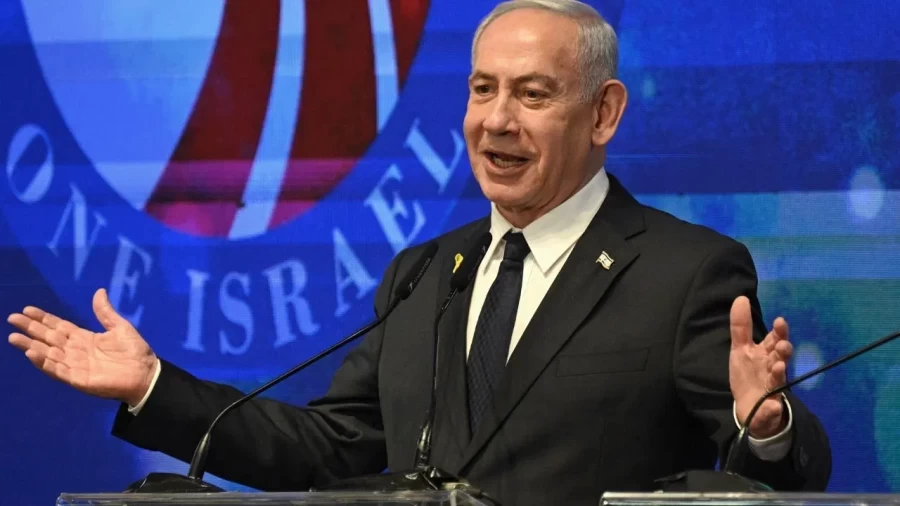
Israeli Prime Minister Benjamin Netanyahu's much-anticipated visit to India has once again been postponed, marking the third such delay. The trip, originally slated for December 2025, has been deferred due to heightened security concerns, according to Israeli media reports. This decision comes in the wake of a recent devastating blast in India's capital, New Delhi, which resulted in the deaths of at least 10 people and left dozens injured. The incident is considered the most severe attack in the capital in over a decade, prompting a re-evaluation of security protocols for high-profile international visits.
Third Postponement
This latest postponement is the third instance in 2025 that the Israeli. Prime Minister has had to reschedule his proposed visit to New Delhi. The repeated delays underscore the complex geopolitical and domestic factors influencing such high-level diplomatic engagements. Netanyahu had previously visited India in 2018, and his return was eagerly awaited by both nations to further strengthen bilateral ties. The continuous deferrals, however, highlight the unpredictable nature of international. Diplomacy, especially when intertwined with security assessments and domestic political calendars.
Delhi Blast Connection
The primary reason cited for this recent postponement is the security situation following the blast in New Delhi. Israeli media reports explicitly link the decision to the recent terror attack, which caused significant casualties and raised alarms regarding security in the Indian capital. The severity of the attack, described as the worst in over a decade, has evidently led Israeli. Security agencies to advise against the visit at this time, prioritizing the Prime Minister's safety above all else. This connection emphasizes the direct impact of regional security events on international travel plans.
Previous Delays
Before this latest deferral, Prime Minister Netanyahu's visit had been postponed twice earlier in 2025. In September, a planned one-day visit was cancelled due to a conflict. With the preparations for re-elections in Israel, which were scheduled for September 17. A similar cancellation occurred earlier in the year, prior to elections held in April. These previous postponements were primarily driven by Israel's domestic political calendar, where the Prime Minister's presence was required for crucial election campaigning and strategic planning.
Significance for Israel
Within Israel, the visit to India was largely perceived as an effort by Prime Minister Netanyahu to showcase his global standing and diplomatic prowess. In July, his party utilized electoral posters featuring Netanyahu alongside prominent world leaders such. As Indian Prime Minister Narendra Modi, then-US President Donald Trump, and Russian President Vladimir Putin. These posters aimed to project an image of Netanyahu operating in a distinct league of global leaders, emphasizing his strong relationships with influential international figures. His electoral message prominently highlighted these connections, positioning him as a crucial leader for Israel's national security.
Future Visit Prospects
While the current visit has been postponed, sources cited by i24NEWS indicate that new dates are expected to be set for next year, based on ongoing security assessments, while this suggests that the intention to visit India remains firm, and both sides are committed to rescheduling the trip when security conditions are deemed appropriate. The diplomatic channels between India and Israel are likely to remain active, working towards finding a suitable window for Prime Minister Netanyahu to meet with Prime Minister Modi and continue fostering the strategic partnership between the two nations. The anticipation for this high-level engagement continues, with a focus on ensuring a secure and productive visit in the future.
