

- India,
- 31-Oct-2025 08:30 AM IST


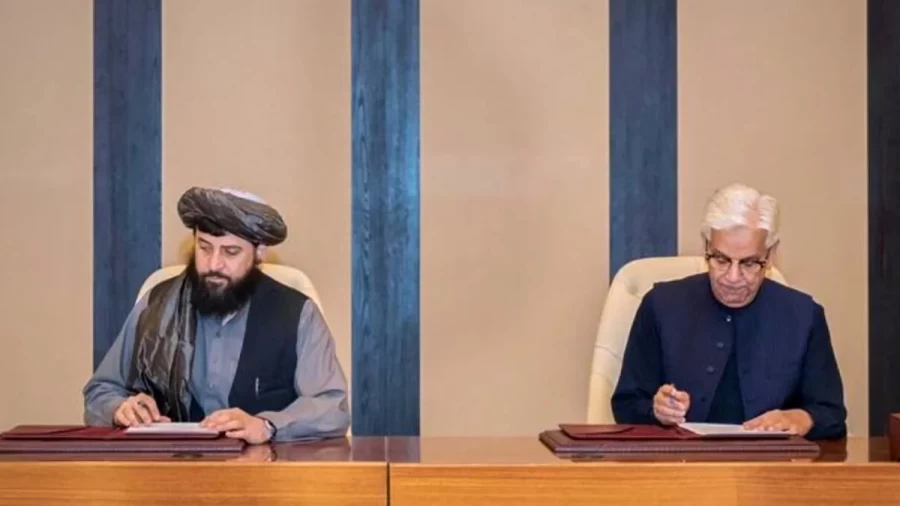
A significant breakthrough has been achieved in the long-standing border tensions between Pakistan and Afghanistan's Taliban government, while during peace talks held in Istanbul, Turkey, both nations have agreed to maintain a ceasefire. Turkey's Ministry of Foreign Affairs officially announced this development, dispelling earlier reports that the talks had failed. This agreement is seen as a major step towards normalizing relations and establishing peace along their shared border. In a joint statement released by Turkey's Foreign Ministry, which included Pakistan, Afghanistan, Turkey, and Qatar, it was clarified that both parties plan to reconvene for another high-level meeting in Istanbul on November 6. The primary objective of this upcoming meeting will be to finalize the ceasefire agreement and discuss the necessary mechanisms for its effective implementation. This step indicates that both countries are committed to working towards a lasting peace rather than just a temporary solution. It's hoped that this meeting will lead to an. Agreement on all points essential for ensuring stability along the border.
Establishment of a Monitoring and Verification Mechanism
A crucial aspect of the peace agreement is the consensus on establishing a monitoring and verification mechanism. The Foreign Ministry's statement noted, "All parties agreed to establish a monitoring and verification mechanism that will ensure the maintenance of peace and impose penalties on the violating party. " This mechanism will play a vital role in ensuring that the ceasefire is. Adhered to faithfully and that accountability can be established in the event of any violations. Such a mechanism is essential for building trust and will help prevent future misunderstandings or clashes. The mediation efforts by friendly nations like Turkey and Qatar have been instrumental in facilitating this process.
Previous Failed Talks and Border Tensions
This successful round of talks comes at a time when border tensions between Pakistan and Afghanistan were at their peak. Earlier this month, both sides engaged in intense cross-border firing, which. Resulted in the deaths of dozens of soldiers, civilians, and militants. These clashes further exacerbated the already strained relations between the two countries. Following the failure of previous rounds of talks, there had been verbal sparring, but a relative calm was observed along the border. However, both nations had kept major crossings closed, leaving hundreds of trucks laden with goods and refugees stranded on both sides, creating a humanitarian and economic crisis. No new clashes have been reported in the border areas this week, providing a positive backdrop for these current negotiations.
Role of Mediators and Pakistan's Stance
The aim of this new round of talks, facilitated by Turkey and other friendly nations, was to de-escalate border tensions between the two parties, while pakistan's Defense Minister, Khawaja Muhammad Asif, informed Geo News channel that the decision to give peace another chance was made by Pakistan at the request of Qatar and Turkey. He further stated that the Pakistani delegation was asked to remain in Istanbul to ensure the success of the talks. According to Pakistani state television, Islamabad emphasized that the talks were based on Pakistan's core demand that Afghanistan take effective action against terrorist groups. This highlights Pakistan's security concerns, which remain a priority for the nation.
Pakistan's Allegations and Kabul's Response
Pakistan has witnessed an increase in terrorist attacks recently, for which it blames the Tehrik-i-Taliban Pakistan (TTP). Islamabad alleges that since the Taliban came to power in Afghanistan in 2021, this group has been provided sanctuary there. Pakistan believes that the TTP is using Afghan soil to carry out terrorist activities against Pakistan. However, Kabul has consistently denied these allegations. The Taliban government in Afghanistan has repeatedly refuted claims that its territory is being used against Pakistan. These accusations and counter-accusations have been a major source of distrust. Between the two nations, which this peace dialogue aims to mitigate.
The Path Forward and Expectations
This ceasefire agreement marks the beginning of a new chapter in relations between Pakistan and Afghanistan. If the November 6 meeting is successful and the monitoring mechanism operates effectively, it could bring lasting peace and stability to the border region. It's crucial for both countries to move forward with mutual trust and cooperation to ensure security and prosperity in the area, while this agreement won't only reduce tensions between the two nations but also sends a positive signal for regional peace and stability.
