

- India,
- 30-Nov-2025 07:16 PM IST


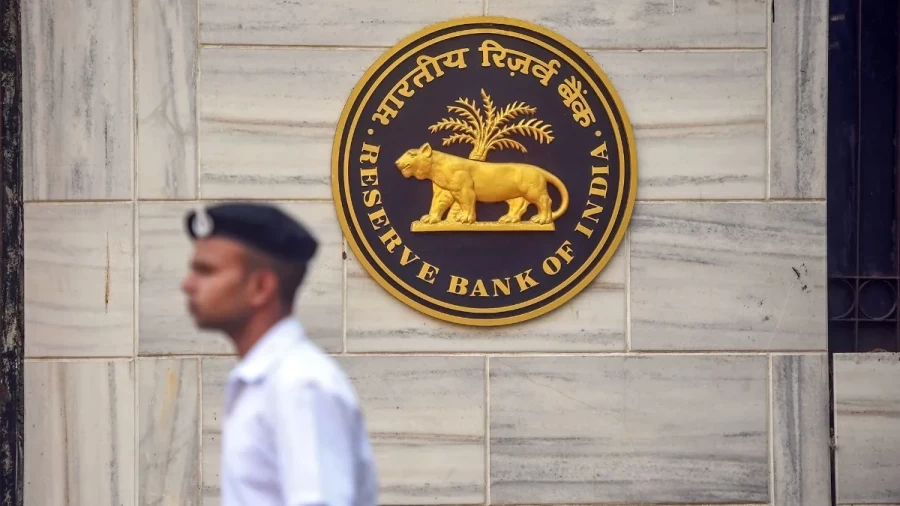
The upcoming Monetary Policy Committee (MPC) meeting of the Reserve Bank of India (RBI), scheduled from December 3 to 5, 2025, is poised to be a pivotal event for the Indian economy. All eyes are on the central bank as it prepares to make. Crucial decisions regarding interest rates, which will have far-reaching implications across various sectors. RBI Governor Sanjay Malhotra is set to announce the committee's findings and decisions on December 5, clarifying whether the repo rate will see a reduction or be held steady at its current level, while this decision comes amidst a complex economic landscape characterized by easing inflationary pressures and a stronger-than-expected Gross Domestic Product (GDP) growth in the second quarter.
Evolving Inflationary Landscape
Retail inflation, as measured by the Consumer Price Index (CPI), has recently fallen below the government's lower target limit of 2 percent for the past two months, while this sustained moderation in inflation provides a conducive environment for the RBI to consider a rate cut, as price stability is one of the central bank's primary mandates. A reduction in inflation typically enhances consumer purchasing power and can stimulate investment within the economy. Some experts believe that this easing inflationary pressure could prompt the RBI to cut the repo rate by 0. 25 percent, thereby making credit cheaper and further boosting economic activity.
Strong GDP Growth and Economic Momentum
However, the Indian economy delivered a surprisingly strong performance in the second quarter, registering an impressive GDP growth of 8. 2 percent. This solid growth is attributed to various reforms, including fiscal consolidation, targeted public investment, and Goods and Services Tax (GST) rate reductions, while the acceleration in economic activity leads some experts to suggest that the RBI might opt to keep interest rates unchanged. Their argument is that with the economy already demonstrating strong momentum, an immediate rate cut might not be necessary and could potentially reignite inflationary pressures in the future. A research report from the State Bank of India's economic research department also noted that with strong GDP growth and minimal inflation, the RBI now needs to signal the rate direction to broader markets in this week's MPC meeting.
History of Repo Rate Adjustments and Current Stance
The RBI initiated a series of repo rate cuts in February of this year, cumulatively reducing it by 1. 00 percent since then. The current repo rate stands at 5. 5 percent. The central bank paused its rate-cutting cycle in August, leading to widespread speculation about its future course of action. Now, with renewed signs of easing inflation, some experts anticipate that the RBI might implement another 0. 25 percent cut in the upcoming monetary policy meeting. Such a cut would reduce borrowing costs for businesses and individuals, thereby encouraging further investment and consumption.
HDFC Bank's Report Analysis
A report by HDFC Bank indicates that growth this year has been higher than anticipated, while inflation has been lower than projected. The report suggests that the RBI's upcoming decision will be a 'close call. ' However, considering the downside risks to growth in the second half of the fiscal year and the expectation that inflation will remain well below 4 percent until the third quarter of FY2026-27, the report anticipates another 0. 25 percent repo rate cut in the forthcoming meeting. This analysis underscores that while current growth appears strong, a rate cut. Could be a prudent step when factoring in future inflation and growth risks.
Perspectives from Other Economists
Madan Sabnavis, Chief Economist at Bank of Baroda, also commented that the upcoming policy decision on the repo rate would be a 'close call, while ' He believes that since monetary policy is forward-looking and the current policy rate appears appropriate, there should be no change in the repo rate. This perspective emphasizes that maintaining the status quo might be the safest option given the prevailing economic conditions. Conversely, Dharmakirti Joshi, Chief Economist at CRISIL, has projected a 0. 25 percent repo rate cut in December. He argues that while growth remains strong, the significant drop in retail inflation in October has created additional room for a rate reduction. This indicates that the recent decline in inflation data has strengthened the argument in favor of a cut.
The Path Forward
Amidst these diverse viewpoints and economic data points, the RBI faces the challenging task of making a balanced decision. The central bank must consider not only the current economic situation but also future projections and global economic trends. The announcement by RBI Governor Sanjay Malhotra on December 5 is eagerly awaited,. As it will set the direction for the Indian economy in the coming months. This decision will also signal how the RBI balances its objectives of fostering growth and maintaining price stability.
