

- India,
- 28-Jan-2026 08:48 AM IST


Tensions in the Middle East have reached a boiling point as the United States faces a significant diplomatic setback. Following in the footsteps of the United Arab Emirates (UAE), Saudi Arabia has now made it clear that it won't permit its land or airspace to be utilized for any military operations against Iran. This decision comes at a critical juncture when US carrier strike groups and warships have already been positioned in the region, signaling a potential direct confrontation with Tehran.
A Strategic Shift in Riyadh
Saudi Crown Prince Mohammed bin Salman (MBS) recently held a high-level telephonic conversation with Iranian President Masoud Pezeshkian. During this call, the Crown Prince emphasized that the Kingdom respects Iran's sovereignty and territorial integrity. He explicitly stated that Saudi Arabia wouldn't support any military aggression initiated from its soil. This move is seen as a major hurdle for US strategic planning, which often relies on the logistical and geographical cooperation of its Gulf allies to contain Iran.
Iran Welcomes the Saudi Stance
President Masoud Pezeshkian expressed his gratitude towards the Kingdom for its firm position. He noted that Tehran has always respected international law and welcomes any diplomatic effort that prevents war. Pezeshkian highlighted that the unity of Islamic nations is the only guarantee for lasting peace and stability in the Middle East. The Iranian leadership views this as a positive step toward mending ties that were strained for decades, further solidifying the rapprochement brokered by China last year.
US Military Presence and Trump’s Strategy
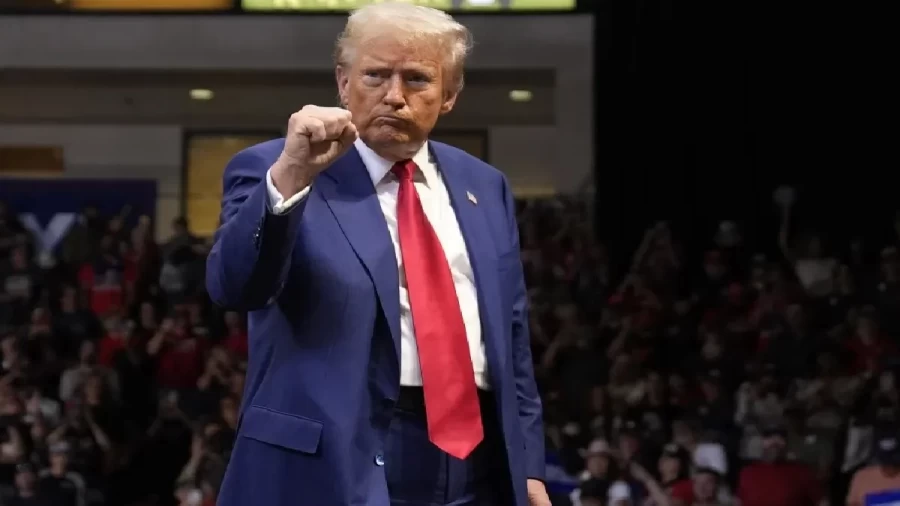
Despite the diplomatic resistance, the US military build-up continues. Aircraft carriers and destroyers have been diverted from the Indo-Pacific to the Middle East to bolster regional security. President Donald Trump has indicated that while he's monitoring the situation closely and military options remain available, he hopes a full-scale conflict can be avoided. However, without the support of key regional players like Saudi Arabia and the UAE, any potential US strike on Iran becomes logistically complicated and politically risky.
The Changing Geopolitics of the Middle East
Geopolitical analysts suggest that Saudi Arabia's refusal marks a departure from its previous reliance on US security guarantees. The Kingdom is now prioritizing regional stability and its 'Vision 2030' economic goals over participating in external conflicts. By maintaining a neutral or protective stance toward Iran, Riyadh aims to prevent a regional spillover of violence that could devastate its infrastructure and oil economy, while this shift signals a new era where Middle Eastern powers are asserting more autonomy in their foreign policy decisions.
