
- India,
- 06-Aug-2026 11:53 AM IST



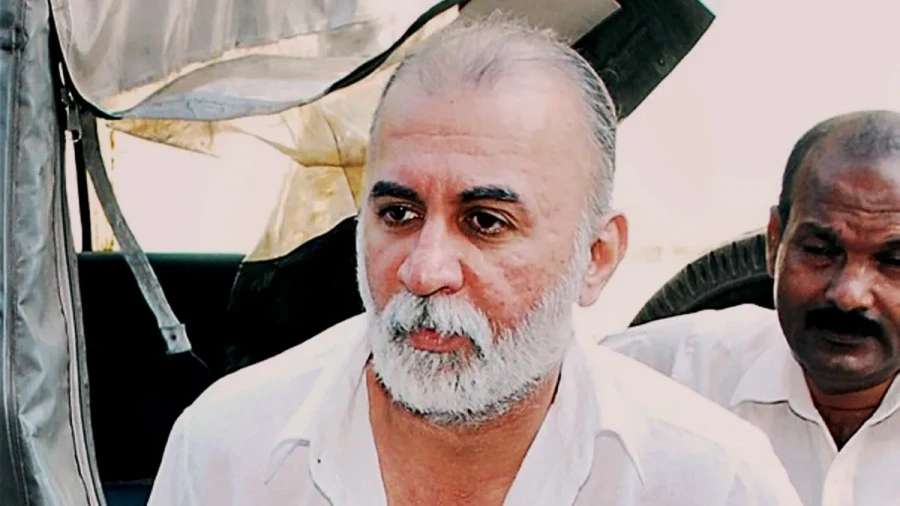
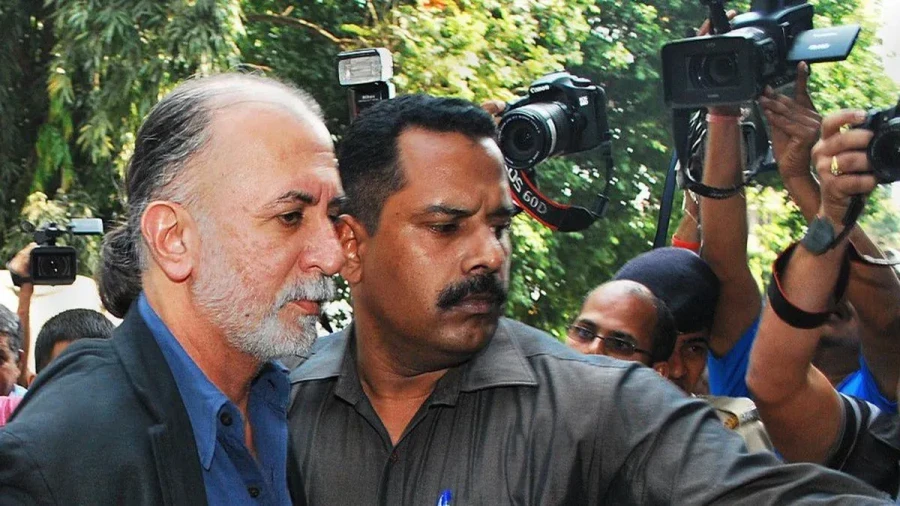
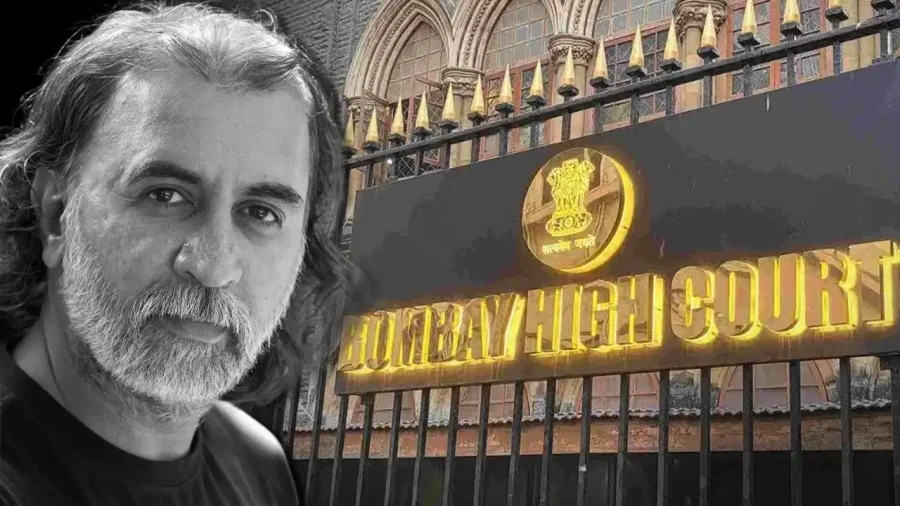
In a significant legal development, the Goa bench of the Bombay High Court on Thursday overturned the acquittal of Tarun Tejpal, the former editor-in-chief of Tehelka magazine, while the court has found him guilty in the 2013 rape case involving a junior female colleague. This landmark judgment sets aside the earlier decision by the Mapusa Sessions Court, which had cleared Tejpal of all charges in May 2021. The division bench, comprising Justice Dr. Neela Gokhale and Justice Amit Jamasandekar, delivered the verdict after hearing an appeal filed by the Goa state government against the trial court's acquittal.
Court Proceedings and Tejpal Presence
Tarun Tejpal was present in the courtroom when the high court bench pronounced its decision. The bench had specifically directed him to be present during the delivery of the judgment while reserving the matter for orders earlier. The high court accepted the appeal filed by the state's CID, which challenged the sessions court's findings. The prosecution's case was led by Solicitor General Tushar Mehta and Goa's Advocate General Devidas Pangam, who argued extensively against the trial court's reasoning. While the conviction has been announced, the court will hold a separate hearing to determine the quantum of the sentence to be awarded to Tejpal.
The 2013 Incident and Allegations
The case dates back to November 2013, when a junior female colleague of Tarun Tejpal accused him of sexual assault. The incident allegedly took place inside an elevator of a luxury hotel in Goa during an event organized by Tehelka magazine. Following the complaint, an FIR was registered, and Tejpal was subsequently arrested. The trial lasted for several years before the sessions court in Mapusa acquitted him, a decision that has now been completely reversed by the high court bench.
Critique of the Sessions Court Verdict
During the high court hearings, the state government and the prosecution raised serious concerns about how the trial court handled the case. ' The prosecution pointed out that the trial court focused excessively on the victim's behavior, reactions, and background after the incident, rather than examining the forensic and circumstantial evidence available on record. The high court noted that the sessions court had failed to properly assess the evidence presented by the prosecution.
Ignored Evidence and the Apology Email
One of the most critical points raised during the appeal was the trial court's disregard for key evidence. This included an apology email sent by Tarun Tejpal to the victim. The email was sent after the victim had reported the sexual harassment to the then Managing Editor of the company. The prosecution argued that this email served as a significant admission of conduct, yet the trial court chose to overlook its importance. By ignoring such vital pieces of evidence and focusing on the victim's post-incident conduct, the trial court's judgment was deemed flawed and unsustainable by the high court bench. The detailed copy of the high court's judgment is expected to be released soon, providing further insights into the legal reasoning behind the conviction.