

- India,
- 01-Oct-2025 03:20 PM IST


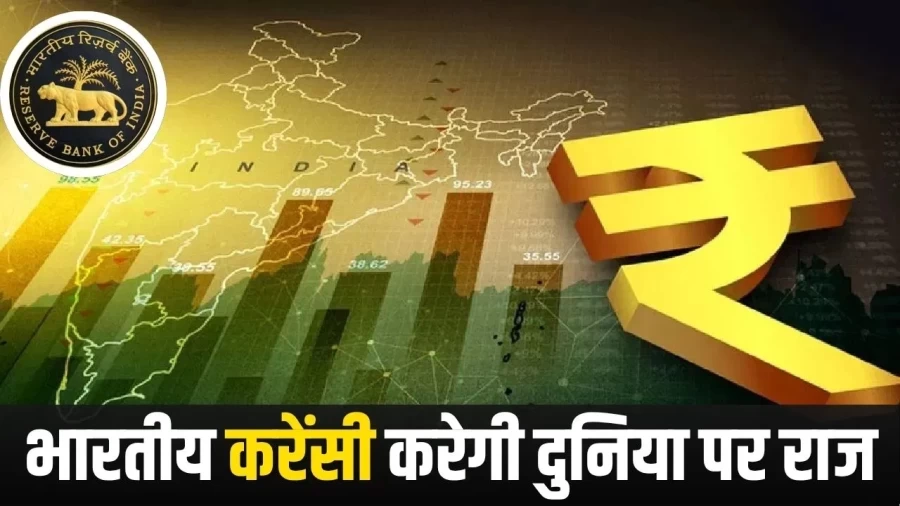
Indian Rupee: The Reserve Bank of India (RBI) announced several significant measures to strengthen the Indian rupee in international trade during its monetary policy review today. RBI Governor Sanjay Malhotra stated that these measures will not only facilitate trade with neighboring South Asian countries but also increase the rupee's global acceptance. Specifically, non-residents of countries like Nepal, Bhutan, and Sri Lanka will now be able to access rupee loans from Indian banks, primarily to meet cross-border trade needs.
This announcement comes at a time when a significant portion of India's exports are directed toward the South Asian region. According to statistics, approximately 90 percent of India's total exports go to neighboring countries, representing an annual turnover of approximately $25 billion. These new facilities will not only reduce trade costs but also help establish the rupee as a regional currency by reducing dependence on the dollar. Experts believe this move will position India as an economically strong regional leader.
Greater clarity and reliability in currency exchange rates
The RBI has taken another positive step to enhance currency market transparency. Clear reference rates will now be set for the currencies of India's major trading partners. This will allow traders and businesses to accurately assess the real rates of other currencies against the rupee. Previously, fluctuations in exchange rates created uncertainty in business transactions, but now this process will become more reliable and efficient.
This will promote billing and payments in rupees, which will ultimately reduce pressure on foreign exchange reserves. According to the RBI, these rates will be market-based and regularly updated, strengthening the competitiveness of Indian businesses in global trade.
New opportunities for foreign investors: Investment in bonds and papers
The RBI has further expanded the use of Special Rupee Vostro Accounts (SRVAs). Deposits in these accounts will no longer be limited to trading; foreign investors will also be able to use them to purchase corporate bonds and commercial papers of Indian companies. Previously, this facility was limited to government securities, but now the inclusion of private sector financial instruments has expanded the number of investment options.
This change will increase foreign capital inflows and boost demand for the rupee. Governor Malhotra said, "These measures will accelerate the rupee's internationalization process, allowing India to become more integrated into the global financial system." Economic analysts estimate that this could increase foreign investment in the Indian market by 10-15 percent.
Internationalizing the Rupee: A Long-Term Strategy
This initiative by the RBI is an important milestone towards making the rupee a global currency. Over the past few years, the Bank has taken steps such as currency swap agreements, cross-border expansion of digital payment mechanisms like UPI, and ensuring the rupee's stability. These new initiatives will increase the rupee's use in neighboring countries not only for trade but also for daily transactions.
As a result, India's economic diplomacy will be strengthened and regional integration will be bolstered. While challenges remain, such as global economic instability and geopolitical risks, these RBI initiatives are positive signs toward making the rupee the "preferred medium of exchange for neighboring countries." In the future, this could establish India as a stable and reliable global economic force.
