

- India,
- 03-Feb-2026 09:45 AM IST


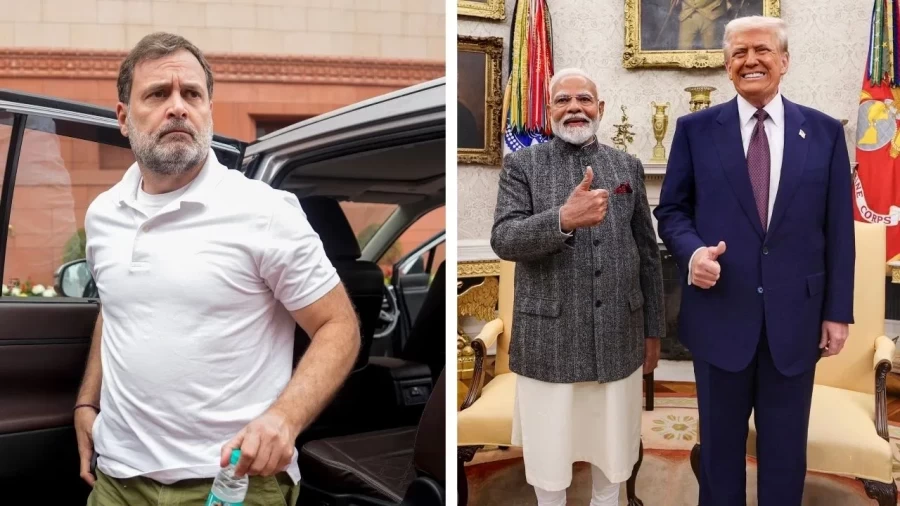
The recent trade agreement between India and the United States has sparked a significant political debate in India, while following the announcement by US President Donald Trump, the Indian National Congress has demanded clarity from the central government regarding the terms and conditions of the deal. The opposition party has raised concerns about the transparency of the negotiations and the potential long-term economic implications for Indian farmers and industries. The controversy intensified after President Trump claimed the deal was reached at Prime Minister Narendra Modi's request, suggesting India would reduce tariffs on US goods to zero.
Concerns Over Russian Oil and Energy Sourcing
One of the most critical questions raised by the Congress party pertains to India's energy security. The opposition has asked whether the Indian government has agreed to stop purchasing crude oil from Russia in favor of imports from the US and Venezuela. Since the beginning of the Ukraine conflict, Russia has emerged as a primary supplier of discounted oil to India. According to Congress statements, any shift away from Russian oil could impact India's import bill and strategic energy reserves, while the party has sought a clear answer on whether such a condition was part of the trade negotiations with the US administration.
Impact of Tariff Reductions on Indian Farmers
The Congress party expressed deep concern over the potential opening of the Indian agricultural sector to American products. While the deal reportedly includes a 32% reduction in US tariffs on Indian goods, the opposition fears that reciprocal measures could hurt local producers. Congress leaders pointed out that allowing zero-tariff access to US agricultural and dairy products could jeopardize the livelihoods of millions of Indian farmers. They questioned how the government plans to protect domestic interests if the market is flooded with subsidized American goods, potentially leading to a trade imbalance in the long run.
Strategic Autonomy and 'Make in India' Challenges
Senior Congress leader Manish Tewari raised questions regarding India's strategic autonomy and the future of the 'Make in India' initiative, while he noted that the deal reportedly involves India purchasing $500 billion worth of energy, technology, and agricultural products from the US. The opposition argues that such a massive commitment to imports could undermine the goal of domestic manufacturing and self-reliance. Plus, the party questioned whether these trade commitments would restrict India's ability to make independent foreign policy decisions, especially concerning its long-standing trade relations with other global powers.
Analysis and Conclusion
According to trade analysts, the India-US trade relationship is a cornerstone of global commerce, but the specifics of this new deal require careful scrutiny. While lower tariffs in the US market could benefit Indian exporters in sectors like textiles and pharmaceuticals, the domestic impact of zero-tariff imports remains a point of contention. The Congress party's demand for a parliamentary discussion highlights the need for transparency in international bilateral agreements. As the details of the trade deal continue to emerge, the focus remains on how the Indian government balances its global trade ambitions with the protection of its domestic economic interests.
Just like the ceasefire, the announcement of the trade deal was also made by US President Trump. It has been stated that the trade deal is being done 'on Modi's request'.
— Congress (@INCIndia) February 3, 2026
• Trump says that India will move to reduce tariff and non tariff barriers against the United States to…
