

- India,
- 10-Mar-2026 08:25 AM IST


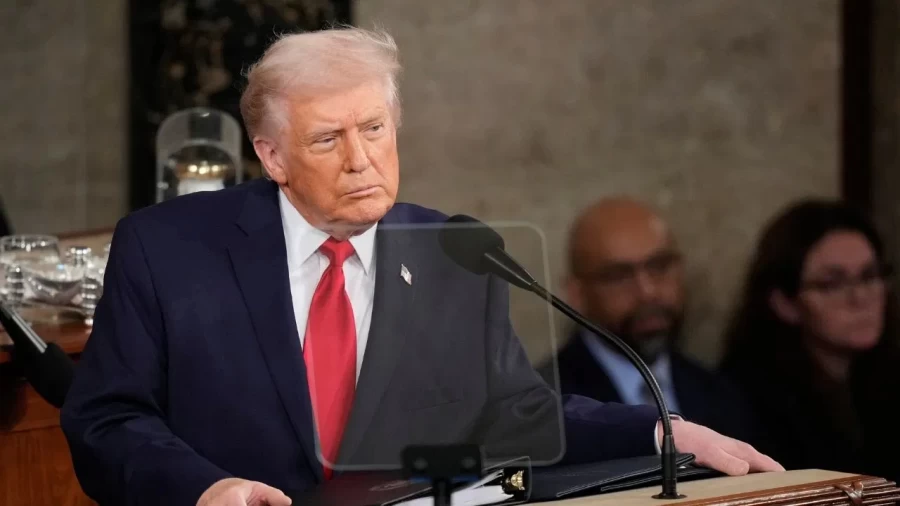
In a significant policy shift aimed at stabilizing global energy markets, President Donald Trump has announced that the United States will lift oil sanctions on certain countries. Speaking to reporters in Doral, Florida, the President emphasized the need to combat rising crude oil and gasoline prices that have impacted economies worldwide. Trump stated that these measures are temporary and intended to remain in place until market conditions normalize. The announcement comes as global benchmark prices recently surged to nearly $120 per barrel, prompting concerns over sustained inflation and energy security across major consuming nations.
Strategic Shift in Sanctions Policy
The President's decision to ease sanctions marks a departure from previous hardline stances, particularly concerning energy-producing nations. While Trump didn't explicitly name all the countries involved, reports from the White House suggest that the administration is considering further relaxation of sanctions on Russian oil exports. According to officials, the primary objective is to increase the global supply of crude oil to meet rising demand. This move follows earlier reports that the administration had already permitted certain nations, including India, to continue purchasing Russian oil without facing secondary sanctions. The focus remains on ensuring that the global market has sufficient liquidity to prevent further price spikes.
Developments Regarding Russia and Iran
President Trump confirmed that he held discussions with Russian President Vladimir Putin on Monday to address energy concerns and regional stability. S. remains prepared for further military action if necessary. Trump claimed that Iran's military capabilities, including its navy and air force, have been Notably diminished, leading him to believe the war is almost entirely over. S. would continue to move forward in its strategic objectives.
G7 Emergency Oil Reserve Discussions
The surge in oil prices has triggered a coordinated response from the Group of Seven (G7) nations. According to reports, G7 members are currently discussing the possibility of an emergency release from their strategic petroleum reserves. This potential intervention is aimed at cooling the market and providing immediate relief to consumers. Following the news of these discussions and President Trump's remarks, market volatility showed signs of easing. Analysts noted that the prospect of increased supply from both sanctioned nations and strategic reserves helped pull prices back from their overnight highs of $120 per barrel. The G7's involvement underscores the global nature of the current energy crisis.
Implications for Global Energy Markets
The easing of sanctions is expected to have a profound impact on international trade routes and energy pricing. S. penalties provides a level of economic stability. S. administration is prioritizing the reduction of energy costs to support global economic growth. By allowing more oil to flow from previously restricted sources, the administration hopes to create a more competitive environment that naturally drives down prices. The move is also seen as a way to mitigate the influence of production cuts by other major oil-exporting blocs.
US Military Stance and Regional Stability
S. maintains a strong military posture in the Middle East to safeguard energy corridors. S. presence in the region is vital for ensuring that oil production and transportation remain uninterrupted. He noted that the lack of effective naval and communication capabilities in Iran has reduced the risk of a prolonged conventional war. S. is monitoring key maritime routes to prevent any disruptions to global oil shipments. The President concluded by stating that the combination of diplomatic easing and military readiness would lead to a more stable and affordable energy landscape in the near future.
Trump: "We're also waiving certain oil-related sanctions to reduce prices. So we have sanctions on some countries, we're gonna take those sanctions off until this straightens out. Who knows -- maybe we won't have to put them on, there will be so much peace." pic.twitter.com/qseD3VmgDi
— Aaron Rupar (@atrupar) March 9, 2026
