

- India,
- 16-Nov-2025 10:30 PM IST


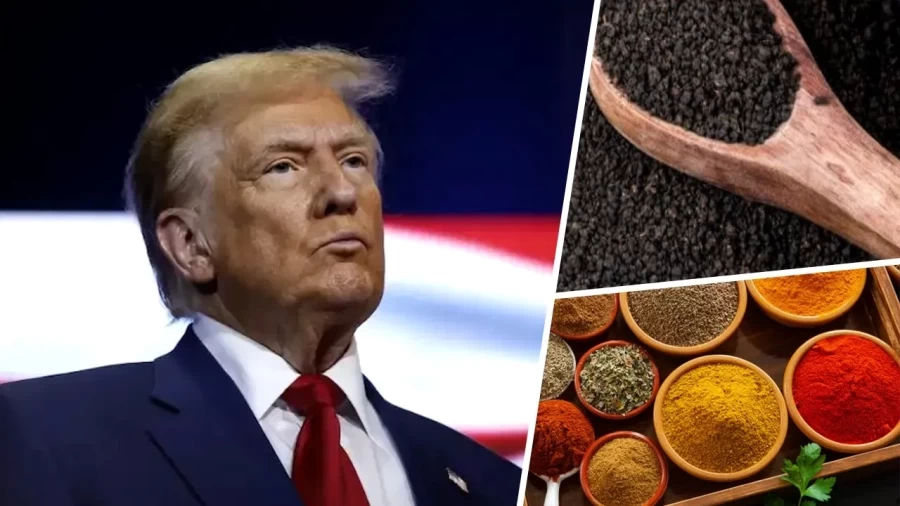
US President Donald Trump has recently announced substantial tariff reductions on over 200 agricultural and food products, while this decision is expected to Notably benefit Indian exporters of spices, tea, and processed foods. The move comes at a time when the United States faces the looming threat of a recession and growing public dissatisfaction over rising prices, which has cast a shadow over Trump's 'Make America Great Again' vision.
Trump's Policy Shift and Economic Pressures
Since assuming office, US President Donald Trump has maintained an assertive and often confrontational stance on global trade policies, primarily driven by his 'Make America Great Again' agenda, which aimed to bolster American industries and jobs through protectionist measures. However, recent economic indicators and mounting public discontent suggest a significant shift in this approach. The looming specter of a recession, coupled with increasing concerns over inflation and the rising cost of living for American citizens, appears to have tempered the President's previously unyielding position on tariffs. The Republican Party's substantial losses in recent by-elections, largely attributed to the Democrats'. Effective campaigning on inflation and spending issues, have further intensified the pressure on Trump. These economic and political challenges have compelled him to re-evaluate his trade strategies, leading to the announcement of significant tariff cuts on agricultural products. This decision reflects a response to the growing public anxiety. In the US regarding escalating prices and persistent trade barriers.
Key Indian Products to Benefit
The new list of tariff reductions includes several prominent Indian agricultural. Products, which are now poised for increased sales in the American market. Among these are essential spices such as black pepper, cloves, cumin, cardamom,. Turmeric, and ginger, all integral to Indian cuisine and highly valued internationally. Also, various tea varieties, mango-derived products, and nuts like cashews are also covered by these exemptions. In 2024, India exported over $500 million worth of spices to the US, underscoring its strong presence in this sector, while during the same period, tea and coffee exports amounted to approximately $83 million. The US imported $843 million worth of cashews globally, with roughly one-fifth originating from India, highlighting the quality and demand for Indian cashews. These tariff reductions are expected to enhance the competitiveness of Indian exporters in the US market.
Quantifying the Economic Advantage for India
According to officials in Delhi, these tariff cuts are projected to benefit India's eligible agricultural exports by approximately $1 billion. Specifically, around 50 types of processed foods, which accounted for exports of roughly $491 million last year, are expected to see the most significant gains. This category includes coffee and tea extracts, cocoa-based products, fruit juices, mango-derived items, and plant waxes. Spices, with exports valued at $359 million, are also set to. Be major beneficiaries, as reduced duties could further boost their demand. Also, about 48 types of fruits and nuts, such as coconut, guava, mango, cashew, banana, betel nut, and pineapple, will also benefit, even though their total export value was approximately $55 million. Overall, this new list encompasses about one-fifth of India's $5, while 7 billion agricultural exports and roughly 40% of last year's total merchandise exports of $86 billion, marking a significant positive step for India's trade balance.
India's Strategic Edge in the US Market
An Indian official welcomed the decision, stating that these reductions would provide a level playing field for Indian agricultural products, which previously faced higher duties compared to those from other nations. The official emphasized that India's reliable supply chain, strong distribution network, and the significant demand from the Indian diaspora in the US provide a crucial advantage in the American market. These tariff cuts are expected to create a more equitable competitive environment for Indian exporters, enabling them to offer their products at more competitive prices to American consumers, while this move is anticipated not only to bolster the Indian economy but also to provide American consumers with a wider array of choices and potentially lower prices.
Notable Exclusions and Persistent Trade Barriers
Despite the broad scope of the tariff relief, some of India's most lucrative agricultural exports have been excluded. Shrimp, other seafood products, and Basmati rice, which are high-value exports, remain outside the scope of these reductions, potentially causing some disappointment among Indian exporters. Also, Indian gems, jewelry, and textile products continue to face a substantial 50% duty. In the US, as a comprehensive trade agreement between the two nations remains stalled. Trump has linked this ongoing situation to India's reduced purchases of Russian oil and its increased acquisition of American energy, indicating that certain trade issues still face significant impasses.
Trump's Stance and Public Backlash
Trump's decision, implemented via an executive order, comes amidst widespread public anger in the US over rising inflation. Trump has asserted that his tariff policies have not contributed to increased domestic costs. In response to public discontent over escalating prices, he has proposed offering $2,000 relief checks. To citizens, funded by tariff revenues, and has initiated an investigation into the meat processing industry. While American industry groups and policy experts have largely welcomed the move to reduce duties, Trump's opponents have accused him of disregarding the economic hardships faced by ordinary citizens, while one critic sarcastically remarked, "My budget and my real life no longer align," encapsulating the financial struggles of many Americans.
Controversies Amidst Economic Hardship
The debate surrounding inflation and the economy intensified further when Trump hosted a lavish Gatsby-themed Halloween party at Mar-a-Lago and commenced construction on a grand ballroom, rumored to be larger than the White House ballroom. These events provided critics with fresh ammunition to highlight issues of presidential ostentation and extravagance, particularly at a time when average American citizens are grappling with rising inflation and economic uncertainties, while this stark contrast between presidential opulence and public hardship underscores a perceived disconnect between Trump's policies and his public image, potentially impacting his popularity. In essence, while the tariff cuts represent a positive development for Indian exporters, they also serve as a reflection of complex US domestic politics and economic pressures.
