

- India,
- 23-Mar-2026 05:23 PM IST


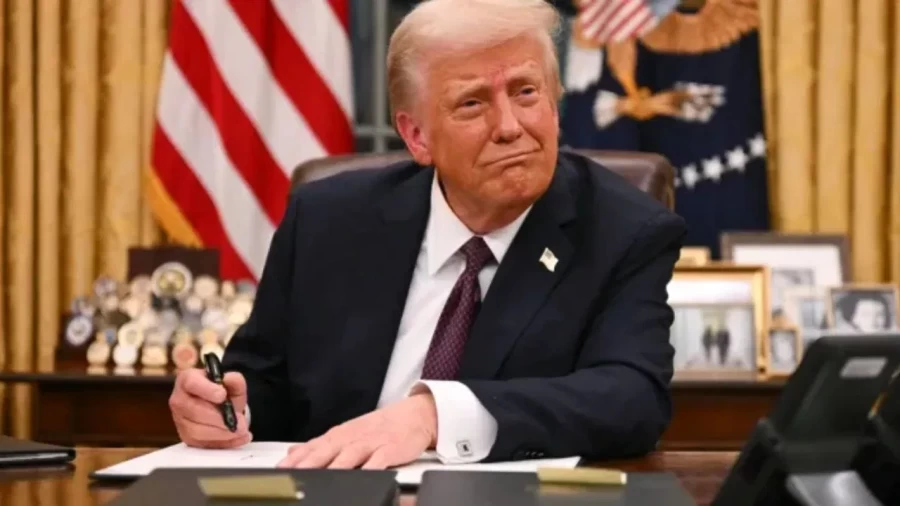
In a significant diplomatic development aimed at averting a full-scale military conflict, US President Donald Trump has announced a five-day moratorium on strikes against Iranian energy infrastructure. This decision follows what the President described as highly constructive discussions between US and Iranian officials over the past 48 hours. Taking to Truth Social, Trump indicated that both nations are working toward a potential peace deal, expressing optimism that a formal agreement could be reached by the end of the current week. The pause specifically applies to Iran's power plants and critical energy facilities, which were previously identified as primary targets.
Appointment of Special Envoys for Negotiations
To facilitate the high-stakes negotiations, President Trump has authorized two of his key confidants, Jared Kushner and Steve Witkoff, to act as special envoys. Kushner, who played a pivotal role in previous Middle East diplomatic efforts, and Witkoff are tasked with negotiating the terms of a settlement that addresses long-standing US concerns, while their primary objective is to secure concessions from Tehran on issues that have historically led to diplomatic deadlocks. The involvement of these high-level representatives signals the administration's intent to reach a definitive resolution rather than a temporary de-escalation, although the President emphasized that the military pause is contingent on continued progress.
The Strait of Hormuz Standoff
The sudden shift toward diplomacy comes on the heels of intense military posturing regarding the Strait of Hormuz. Prior to this announcement, the US had issued a 48-hour ultimatum demanding that Iran ensure the unrestricted passage of vessels through the strategic waterway. Trump had warned that failure to comply would result in devastating strikes on Iran's energy grid. Iran had countered with its own threat, stating it would completely block the strait if its domestic infrastructure were attacked. Given that a significant portion of the world's oil and gas transit passes through this narrow channel, the standoff had triggered global concerns over energy security and economic stability.
US Demands and Iranian Preconditions
The framework for the ongoing talks involves five core demands from the United States, while these include the permanent reopening of the Strait of Hormuz, a complete cessation of nuclear weapons development, strict limits on ballistic missile stockpiles, and the termination of financial support for regional proxy groups. Conversely, Iranian Foreign Minister Abbas Araghchi has maintained that Tehran is primarily interested in discussing the nuclear framework. Iran has demanded a formal guarantee from the US that no future military aggression will take place as a precondition for any long-term treaty. The gap between these positions remains the primary challenge for the envoys during this five-day window.
Directives to the Department of Defense
President Trump has formally instructed the Department of Defense to suspend all planned kinetic operations against Iranian power plants and energy hubs for the duration of the talks. While the military remains in a state of high readiness, the focus has shifted toward supporting the diplomatic channel. Officials have clarified that if the negotiations fail to produce a breakthrough by the end of the five-day period, all military options will return to the table. The international community is closely monitoring the situation, as the outcome of these discussions will determine whether the region moves toward a stable peace or returns to the brink of a major energy-focused conflict.
US President Donald Trump posts on Truth Social, "...I have instructed the Department of War to postpone any and all military strikes against Iranian power plants and energy infrastructure for a five day period, subject to the success of the ongoing meetings and discussions" pic.twitter.com/N3Bavc4ylv
— ANI (@ANI) March 23, 2026
