

- India,
- 12-Apr-2026 05:30 PM IST


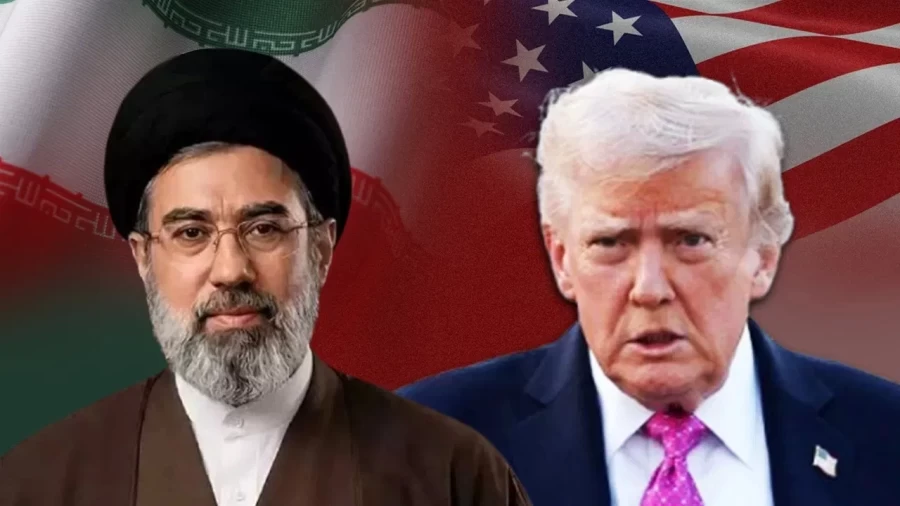
A high-stakes diplomatic effort to secure a lasting peace between the United States and Iran has ended in a deadlock after a grueling 21-hour marathon session in Islamabad, Pakistan. The talks, mediated by Pakistani officials, were aimed at converting a fragile two-week ceasefire into a permanent agreement. According to official sources, this meeting represented the most significant direct engagement between the two nations since the 1979 Islamic Revolution. Despite the length and intensity of the discussions, both delegations remained firm on their respective positions, leading to a stalemate that leaves regional stability in a precarious state.
Nuclear Deadlock and Uranium Enrichment Demands
The primary point of contention during the 21-hour session was Iran's nuclear program. The United States delegation demanded a complete and verifiable cessation of uranium enrichment, seeking guarantees that Iran would never pursue nuclear weaponry, while uS Vice President JD Vance confirmed that the talks failed to progress because Iran refused to accept these stringent conditions. In response, Iranian negotiators characterized the American demands as excessive and unrealistic. Iran maintained that its nuclear activities are strictly for peaceful energy purposes and medical research, accusing Washington of using the negotiations to impose unilateral restrictions on its sovereign rights.
Strategic Conflict Over the Strait of Hormuz
The Strait of Hormuz, a critical artery for global oil supplies, emerged as another major flashpoint in the negotiations. The United States insisted on the immediate and unconditional opening of the strait to ensure the free flow of international maritime trade. Iran, however, linked the security of the waterway to the removal of economic sanctions. Iranian officials demanded comprehensive security guarantees and the lifting of trade barriers before considering any change in their operational control over the strait, while with approximately 20% of the world's oil passing through this region, the failure to reach an agreement on maritime security remains a significant concern for global markets.
Impact of Ongoing Military Operations in Lebanon
The geopolitical climate of the talks was further strained by the ongoing conflict in Lebanon. As negotiations proceeded in Islamabad, Israeli Prime Minister Benjamin Netanyahu continued military operations against Hezbollah targets. Iran demanded that the United States exert its influence to halt these strikes, viewing them as a direct provocation. The US delegation, however, maintained that the conflict in Lebanon was a separate security matter involving Israel's right to self-defense and shouldn't be a precondition for the bilateral peace process. This fundamental disagreement over regional military actions added another layer of complexity that the negotiators couldn't resolve.
The Shadow of Trump's Rhetoric on Negotiations
The atmosphere of the peace talks was heavily influenced by public statements from US President-elect Donald Trump. Throughout the 21-hour period, Trump issued several warnings, suggesting that Iran would face intensified military and economic pressure if it failed to concede to American terms. According to reports from the venue, these warnings created a sense of coercion rather than cooperation. Iranian representatives expressed that the threat of escalation undermined the spirit of diplomacy, leading to a breakdown in communication. The Iranian side perceived the American approach as a strategy of maximum pressure rather than a genuine attempt at conflict resolution.
Historical Distrust and the Failure of Diplomacy
The ultimate failure of the Islamabad marathon can be attributed to the deep-seated mistrust that has defined US-Iran relations for over four decades. The historical baggage since 1979 loomed large over the meeting, with both sides skeptical of the other's intentions. While Pakistan attempted to bridge the gap as a mediator, the core ideological and strategic differences proved too vast to overcome in a single session. Iran remained suspicious of any American proposal, while the US lacked confidence in Iran's long-term commitments, while as the delegations departed without a signed agreement, the prospect of a permanent ceasefire remains elusive, leaving the international community to monitor the next steps in this volatile relationship.
