
- India,
- 04-Aug-2026 03:13 PM IST



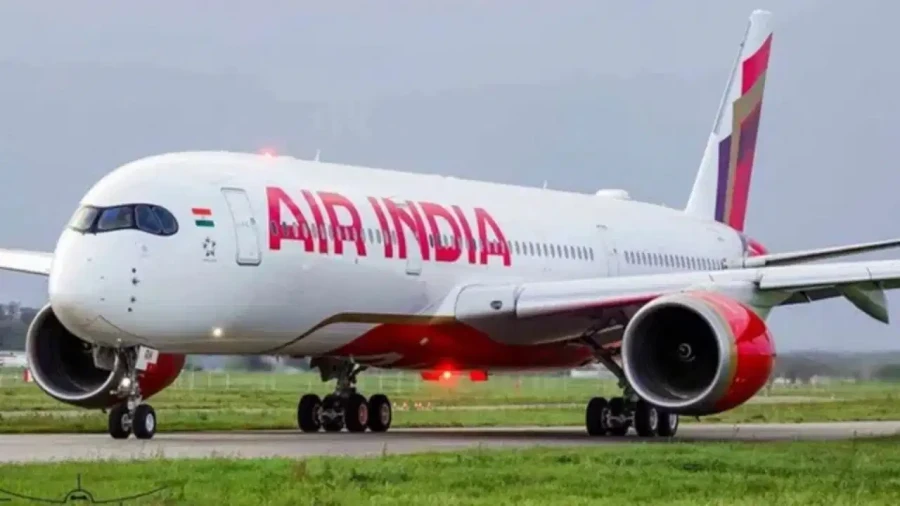
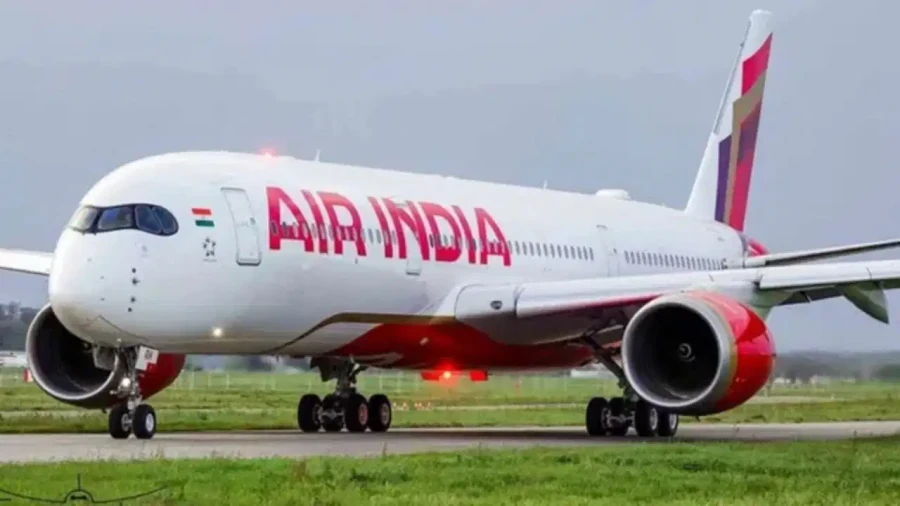
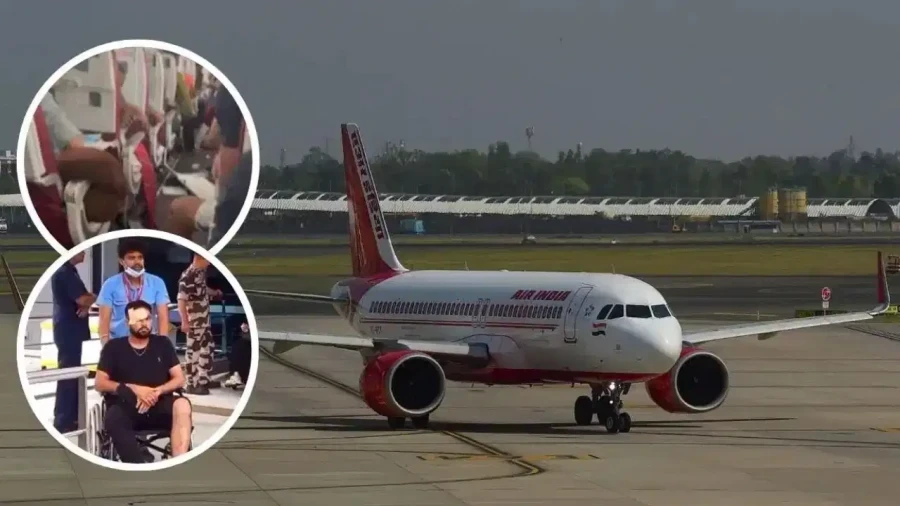
An Air India flight operating from Phuket, Thailand, to the national capital, Delhi, encountered severe turbulence during its journey on August 4. The flight, identified as AI2379, experienced a sudden and significant change in altitude due to the atmospheric disturbance, leading to a momentary scare for those on board. Despite the mid-air jolts, the aircraft managed to complete its journey and made a safe landing at the Delhi airport. Upon arrival, it was reported that all passengers and crew members were able to deboard the plane safely, although the incident left some individuals with injuries. The event took place on Tuesday, causing concern among the travelers and the aviation community.
Details of the Turbulence Incident
The incident occurred when the Air India flight AI2379 was en route from Phuket to Delhi. According to the airline's official statement, the aircraft faced turbulence for a brief period during the flight. This turbulence was intense enough to cause a temporary fluctuation in the plane's altitude. Such sudden movements in the air can often lead to unrest inside the cabin, and in this instance, it resulted in minor injuries to a few passengers and crew members who were on duty. The airline confirmed that the safety of the flight was maintained throughout the landing process in Delhi, and the aircraft touched down without further complications.
Medical Assistance and Airline Statement
Following the safe landing of the aircraft, Air India took immediate steps to ensure the well-being of those affected. Some passengers and crew members who sustained minor injuries were taken to the airport's medical center as a precautionary measure for examination and treatment, while air India issued a formal statement regarding the mishap, emphasizing that the safety and well-being of its passengers and crew remain its highest priority. The airline stated, "On August 4, flight AI2379 from Phuket to Delhi encountered turbulence for a short duration during the flight, which caused a slight sudden change in the aircraft's altitude.
Commitment to Safety and Investigation
The airline further elaborated on its response, noting that they're providing all necessary assistance to the affected individuals. Air India is also fully cooperating with the relevant authorities in the ongoing investigation into the incident. The statement added, "The few passengers and crew members who sustained minor injuries have been taken to the medical facility center at the airport as a precaution. The safety and well-being of passengers and crew is Air India's top priority.
Passenger Experience and Reactions
One of the passengers on board shared their harrowing experience, stating that the turbulence lasted for about 2 to 3 minutes. The suddenness and intensity of the jolts caused significant distress among the travelers. " This reaction highlights the impact such incidents have on passenger confidence and the expectations for safety and comfort during international travel.
Government Data on Technical Snags in Aviation
In a related development, the government provided detailed information regarding technical snags in the aviation sector during a Rajya Sabha session, while on Monday, in a written response to a question from Rajya Sabha MP John Brittas, Minister of State for Civil Aviation Murlidhar Mohol revealed that between January and June of this year, more than 350 major technical snags were reported in both domestic and international flight operations. Specifically, a total of 352 major deficiencies were recorded during this six-month period. Out of these, 334 instances were related to domestic flights, indicating a significant number of technical challenges faced by airlines operating within the country.
Airline-Wise Breakdown of Technical Deficiencies
The government data provided a clear breakdown of the technical snags across various airlines. According to the official figures, Akasa Air recorded the highest number of deficiencies with 152 reported cases. This was followed by Air India Express, which saw 53 such instances. IndiGo recorded 47 technical snags, while Air India itself had 46 deficiencies, which the ministry categorized as significant technical shortcomings. On top of that, the low-cost carrier SpiceJet recorded 9 such technical issues during the same period from January to June. These statistics underscore the ongoing challenges in maintaining technical standards across the rapidly growing Indian aviation industry.