

- India,
- 20-Sep-2025 01:36 PM IST


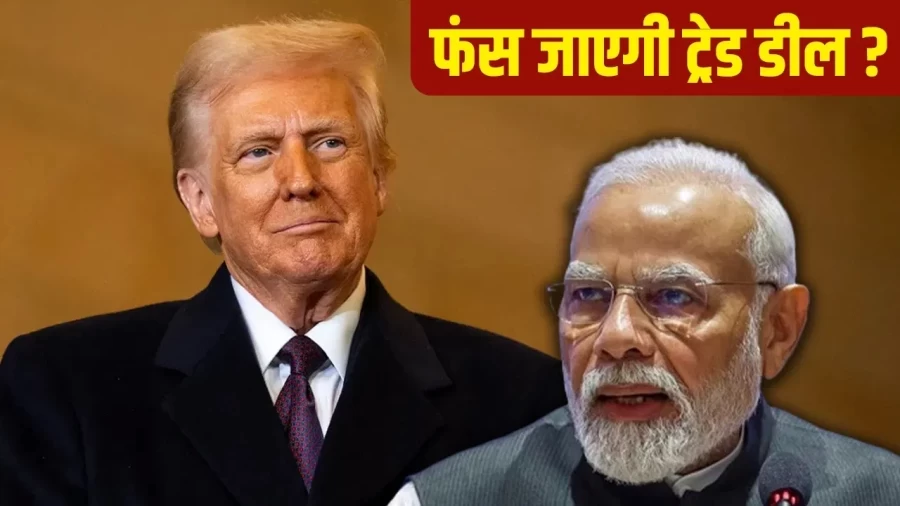
India-US Trade Deal: Trade relations between the two countries heated up as soon as the US announced tariffs of up to 50 percent on India. Six rounds of talks have taken place since then, but each time new challenges emerge. The most recent issue? Russian oil purchases. According to a report in the Economic Times, the US now wants to include India's oil imports from Russia in this bilateral deal, which is completely unusual. Experts say this move will not only impact trade but could also give a new twist to global energy security and geopolitics.America's New Tact: Making Russian Oil Part of the DealThe US delegation, led by Assistant US Trade Representative Brendan Lynch, recently arrived in New Delhi. During the meeting on Tuesday, the US implicitly demanded that India ban oil purchases from Russia. Sources said the US side tried to include this in the terms of the trade agreement, as Indian refiners are increasing their imports of cheap crude oil from Russia to meet domestic demand. A senior official, speaking on condition of anonymity, said, "This demand is completely unexpected. It is unusual to drag relations with a third country into bilateral trade talks."India's Ministry of Commerce and Industry did not comment, while the Office of the US Trade Representative also remained silent. However, reports clearly indicate that the negotiations are becoming complicated. President Donald Trump's administration argues that India's purchase of oil from Russia is indirectly funding the Ukraine war. Trump himself said, "They are fueling the war machine by buying Russian oil." In response, an additional 25 percent tariff was imposed, bringing the total tariff to 50 percent—the highest in Asia.India's Strong Position: Demand for Removal of Additional TariffsIndia has clearly stated that oil imports from Russia are a matter of energy security. At Tuesday's meeting, India called the 25 percent additional tax "unfair, arbitrary, and baseless" and demanded its removal. The Finance Minister recently stated, "Russian oil is cheap, and it meets the needs of our 1.4 billion population. We will make purchases based on market factors." According to a Bloomberg report, refiners will continue imports from Russia as fuel demand increases after the monsoon, and the government has not imposed any restrictions.India-Russia trade is projected to reach a record $68.7 billion in fiscal year 2024-25, with oil imports contributing significantly. India is now Russia's largest buyer of oil, accounting for 35-40 percent of its share before 2022. The US alleges that India is profiteering by buying cheap oil from Russia, refining it, and selling it to Europe and the US at higher prices. But India's response is: "Europe itself trades with Russia, and the US has already encouraged us to buy Russian oil to keep the global market stable."Negotiations: Six Rounds, But No SolutionNegotiations intensified after Trump announced a 25 percent tariff in July. An additional 25 percent was added in August, and now the sixth round has also remained inconclusive. Both countries had promised to finalize a deal by the end of the year, but issues continue to mount. The US wants greater access to the dairy, agriculture, and medium-sized vehicle markets, while India is unwilling to open them to protect farmers and small businesses.Earlier this week, US officials visited New Delhi to defuse tensions, but after the meeting, both sides claimed only "positive discussions." US Treasury Secretary Scott Bessant said, "The relationship is complicated, but in the end, we will come together." But experts are concerned. Ajay Srivastava, founder of the Global Trade Research Initiative, said, "These tariffs will harm India's exports, especially pharmaceuticals, jewelry, and textiles."Global Context: Why Leave China Out?The biggest question: Why hasn't China, Russia's largest oil buyer, been targeted? The US has imposed 30 percent tariffs on China, but there are no penalties for Russian oil. Analysts say this is part of trade deal negotiations, which include issues like rare earth minerals. Pressure on India appears to be part of Trump's Ukraine peace talks strategy, where he is trying to isolate Moscow.According to a Moody's Ratings report, these tariffs could slow India's GDP growth by 0.3 percent, but strong domestic demand and the service sector will offset this. Still, exporters are worried—a Chennai fisherman said, "PM Modi has promised to protect farmers, we stand with him."What's next? Hopes for a deal fadeThe failure of negotiations has led India to increase US energy and defense purchases—a 70 percent increase in the first six months. But India's priority remains maintaining its focus on Russian oil. If the US increases pressure, European allies could also join in, as refined products from India go to Europe. For now, the deal is stuck, and a new chapter in the global trade war is being written. Will India maintain its energy independence, or will Trump's move succeed? Only time will tell.
