
- India,
- 19-Sep-2026 12:32 PM IST



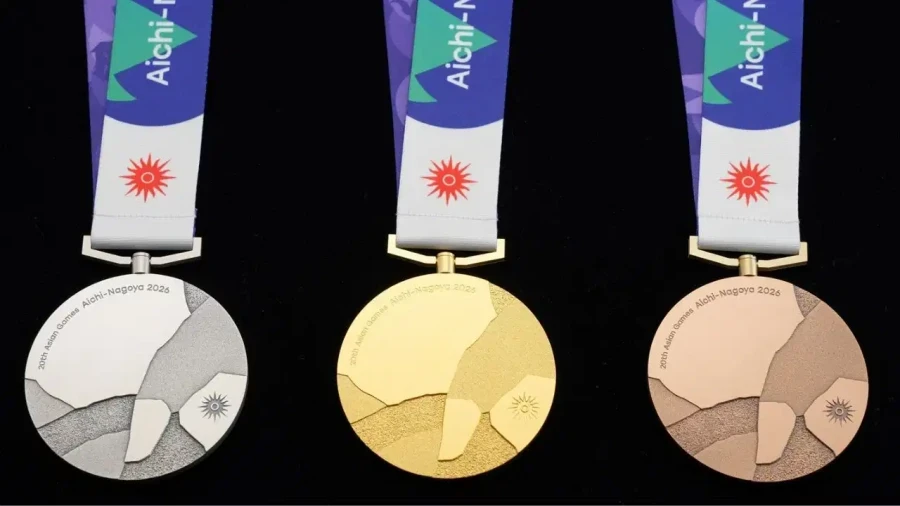
The 20th Asian Games, scheduled to be held in Aichi-Nagoya, Japan, have officially unveiled the designs for their competition medals. These medals have quickly become a subject of global fascination due to their intricate artistry, deep cultural heritage, and forward-thinking modern philosophy, while the design was finalized through a rigorous National Design Competition, where the concept proposed by the renowned Japanese designer Daisuke Shiba was selected as the winner. Shiba’s vision perfectly encapsulates the official slogan of the games, Imagine One Asia, while emphasizing the core theme of Unity in Diversity.
The Visionary Behind the Design and the Creative Concept
Designer Daisuke Shiba employed a highly unconventional and symbolic process to bring these medals to life. During the conceptualization phase, Shiba intentionally broke several ceramic discs and meticulously studied how the shattered pieces could be rejoined. This artistic choice wasn't merely aesthetic but deeply philosophical. Shiba believes that an athlete’s journey isn't a straight line to success; rather, it's composed of scattered moments of failure, injuries, intense struggle, and relentless hard work. When these fragmented experiences are brought together through perseverance, they culminate in the form of a medal, serving as a ultimate symbol of the athlete’s triumph. Also, this design represents the coming together of Asia’s diverse cultures and languages on a single sporting platform.
Five Major Features of the Asian Games 2026 Medals
The medals for the Aichi-Nagoya games are distinguished by five significant characteristics that set them apart from previous editions:
- Utilization of Recycled E-Waste: In a major push for environmental conservation and the promotion of a circular economy, these medals have been manufactured using metals extracted from old and small electronic waste. This waste was collected by various Japanese municipalities, showcasing a collective national effort toward sustainability.
- Ribbon Inspired by the Kakitsubata Flower: The ribbon attached to the medal features a beautiful silhouette of the Kakitsubata flower, which is the official flower of the Aichi Prefecture. The curved patterns on the ribbon are designed to symbolize the flexibility, resilience, and inner strength of the competing athletes.
- Hinoki Wood Presentation Box: Each medal will be presented in a specially crafted box made from the famous Hinoki wood of Aichi. The design of the box draws inspiration from traditional Japanese tea culture, adding a layer of local heritage to the award.
- Dimensions and Format: All medals follow a standardized circular format with a diameter of 8 centimeters and a thickness of 5 millimeters, providing a substantial and prestigious feel.
- Weight and Composition: The Gold medal weighs approximately 265 grams and consists of pure silver plated with at least 1 gram of gold. The Silver medal weighs approximately 264 grams and is made of pure silver. The Bronze medal weighs approximately 222 grams and is composed of 95 percent copper and 5 percent zinc.