

- India,
- 01-Mar-2026 05:42 PM IST


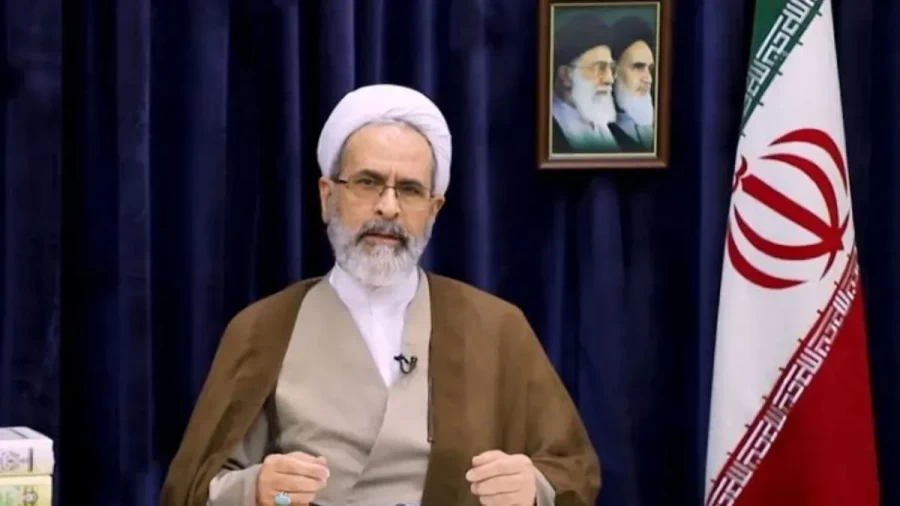
In a significant transition of power amid escalating regional tensions, Iran has appointed Ayatollah Alireza Arafi as the country's interim Supreme Leader. The decision follows the death of Ayatollah Ali Khamenei in recent Israeli strikes. Born in 1959 in the city of Meibod, Yazd province, Arafi is a prominent Shia cleric who has held several high-ranking positions within the Islamic Republic's religious and political hierarchy. His appointment is governed by Article 111 of the Iranian Constitution, which outlines the procedure for leadership transition during a vacancy at the highest level of state.
Constitutional Mandate and the Leadership Council
According to the Iranian Constitution, in the event of the Supreme Leader's death or incapacity, a temporary leadership council is formed to manage state affairs, while this 3-member council typically includes the President, the Chief Justice, and a jurist member from the Guardian Council. Ayatollah Alireza Arafi has been selected as the jurist member of this council, effectively assuming the responsibilities of the interim Supreme Leader. According to official protocols, this council will oversee the nation's strategic decisions until the Assembly of Experts elects a permanent successor. Arafi’s close relationship with the late Khamenei is cited as a key factor in ensuring regime continuity during this volatile period.
Religious and Academic Trajectory
Ayatollah Arafi’s career is deeply rooted in Iran's religious infrastructure, while he has served as the head of the Qom Seminaries and as the Friday prayer leader in Qom, one of the most influential religious positions in the country. His academic credentials and expertise in Islamic jurisprudence led to his membership in the Guardian Council and the Assembly of Experts. Plus, Arafi has chaired the International Center for Islamic Sciences and served in the academic department of the Imam Khomeini Education and Research Institute. His role in the Supreme Council of Cultural Revolution has also been instrumental in shaping the state's cultural and educational policies.
Global Influence through Al-Mustafa University
A defining period of Arafi’s career was his tenure as the chairman of Al-Mustafa International University from 2009 to 2018. Under his leadership, the institution expanded its global reach, serving as a primary hub for the dissemination of Shia Islamic teachings and the Islamic Republic’s ideological framework. Arafi has previously claimed that during his leadership, the institution successfully influenced millions of individuals globally toward the Shia faith. The university is regarded by international observers as a significant tool for Iran's ideological outreach and soft power across various continents.
Administrative Roles and Ideological Stance
Beyond his religious duties, Arafi holds a significant position as the head of the Basij, a paramilitary volunteer force, which provides him with substantial influence over internal security matters. He's known for his hardline ideological views, particularly his staunch opposition to atheism and the growth of domestic house churches within Iran. Arafi has also been a critic of certain traditional practices within the Qom Seminary, advocating for a more streamlined and ideologically aligned religious education system. His appointment as interim leader is seen as a move to maintain a firm ideological grip on the country’s domestic and foreign policies.
Strategic Challenges and Governance
As interim Supreme Leader, Arafi faces the immediate challenge of navigating Iran through its current security crisis and the ongoing conflict with external adversaries. His dual role in the Guardian Council allows him to influence the vetting of political candidates and the approval of legislation, ensuring that the state's direction remains consistent with established revolutionary principles. Until the Assembly of Experts concludes the selection of a permanent leader, Arafi will hold decisive authority over the nation's military and political apparatus. His leadership marks a period of transition focused on stability and the preservation of the existing political order.
