

- India,
- 01-Mar-2026 05:25 PM IST


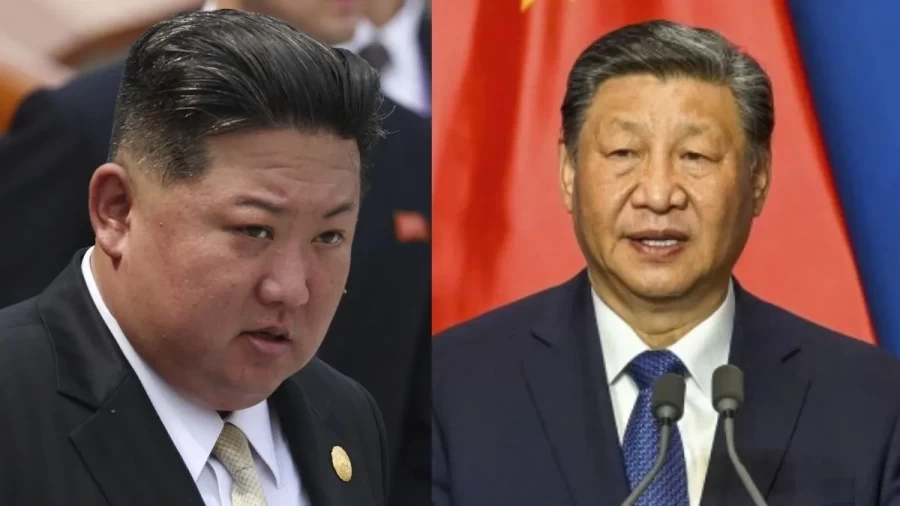
China and North Korea have formally condemned the joint military operations conducted by Israel and the United States against Iran. Beijing described the strikes as a severe violation of Iran's national sovereignty and called for an immediate cessation of all military activities. Simultaneously, North Korea criticized the United States for its hegemonic behavior, labeling the intervention as an illegal act of aggression. These diplomatic reactions follow reports of the death of Iran's Supreme Leader, Ayatollah Ali Khamenei, amid extensive airstrikes that have caused significant casualties and infrastructure damage across the country.
China’s Official Stance on Sovereignty Violations
The Chinese Foreign Ministry issued a strongly worded statement following the military strikes on Iranian soil. A spokesperson for the ministry stated that the targeting and reported killing of Iran's Supreme Leader constitutes a gross violation of Iran's sovereignty and national security. China emphasized that such actions run counter to the purposes and principles of the United Nations Charter and the basic norms governing international relations. Beijing expressed its firm opposition to any military action that undermines the territorial integrity of a sovereign state, urging the global community to uphold international law and respect national boundaries.
Urgent Call for Cessation of Military Hostilities
In its official communication, China urged all involved parties to exercise maximum restraint to prevent the regional situation from spiraling out of control, while beijing called for an immediate end to military operations, stating that further escalation would only lead to more instability in the Middle East and beyond. According to Chinese officials, peace and stability can only be maintained through joint international efforts and diplomatic dialogue rather than unilateral military force. The ministry highlighted that the current escalation poses a significant threat to global peace and called for a return to diplomatic frameworks to resolve the underlying conflicts.
North Korea Denounces US Hegemony and Aggression
North Korea joined the condemnation, directing sharp criticism toward the United States. A spokesperson for the North Korean Foreign Ministry described the joint US-Israel operation as an "illegal aggression" and a direct violation of national sovereignty. Pyongyang labeled the United States' involvement as a manifestation of its "hegemonic and gangster-like" nature. According to North Korean officials, the military action was a predictable outcome of American imperialist policies. The statement further asserted that such interventions are unacceptable in the modern international order and warned that the US would be held responsible for the destabilization of the region.
Details of Casualties and Ground Impact
The military strikes, which took place on Saturday afternoon, have resulted in a high number of casualties. Reports indicate that the joint operation by the US and Israel led to the death of Supreme Leader Ayatollah Ali Khamenei. Data provided by the Iranian Red Crescent Society confirms that at least 201 individuals have lost their lives in various locations across Iran. On top of that, approximately 747 people have been reported injured, with many in critical condition. Emergency services are currently engaged in large-scale rescue operations, and officials fear that the death toll may rise as more information emerges from the affected areas.
Regional Security and Global Diplomatic Implications
The recent military escalation has pushed the Middle East into a state of extreme tension, while international observers suggest that the strong reactions from China and North Korea indicate that the conflict could become a major point of contention on the global diplomatic stage. China has reaffirmed its stance against the use of force in international relations, advocating for peaceful resolutions. Meanwhile, North Korea's aggressive rhetoric reflects its deepening rift with the West. Diplomatic experts anticipate that the United Nations Security Council will face intense pressure to address the legality and consequences of the strikes in the coming days, as the global community remains on high alert.
