

- India,
- 11-Dec-2025 07:43 PM IST


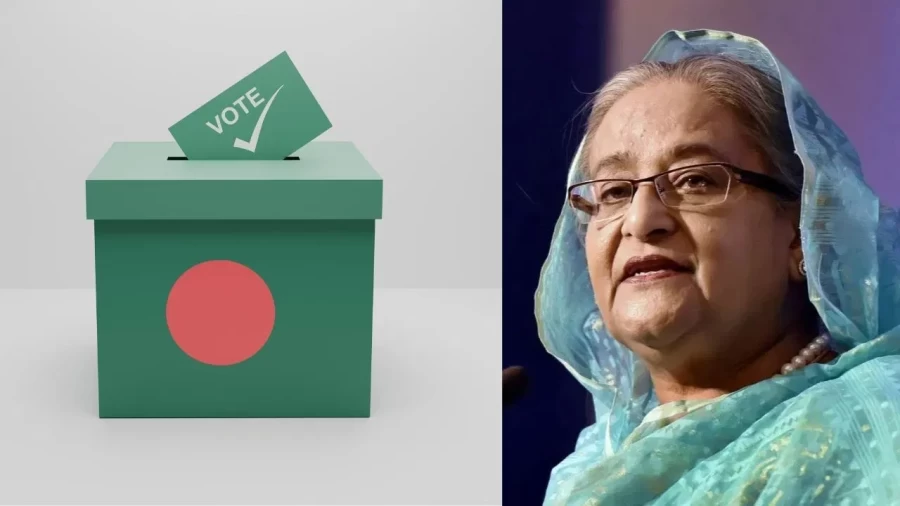
The electoral bugle has sounded in Bangladesh, with the Chief Election Commissioner AMM Nasir Uddin announcing the schedule for the 13th parliamentary election on Thursday evening. This significant election is slated for February 12, 2026, a date that will shape the political future of the nation, while coinciding with the parliamentary polls, a referendum to implement the July Charter will also be held on the same day, marking a dual democratic exercise for Bangladesh.
Extended Voting Hours and Referendum Details
Voting on February 12, 2026, will take place from 7:30 AM to 4:30 PM. Notably, the voting time has been extended by one hour this time, a significant change from previous elections. This extension has been specifically implemented to accommodate the simultaneous parliamentary election and the referendum on the July Charter. The aim is to ensure that voters have ample time to participate in both crucial democratic processes. To help voters distinguish between the two, the ballot paper for the referendum will be pink, while the parliamentary election ballot paper will be white.
Awami League's Exclusion from the Election
One of the most significant developments surrounding this election is the exclusion of former Prime Minister Sheikh Hasina's party, the Awami League. The party has already been banned, effectively removing it from the electoral race. This turn of events marks a major shift in Bangladesh's political landscape, as the Awami League has historically been one of the country's dominant political forces. Following this ban, experts suggest that the main contest will be between the Bangladesh Nationalist Party. (BNP), Jamaat-e-Islami, and the newly formed National Citizen Party (NCP), introducing new political dynamics to the election.
The July Charter and Constitutional Reform
The July Charter is a pivotal document associated with constitutional reform, while its primary objective is to bring about comprehensive changes in the country's politics and governance system. The referendum scheduled for February 12 is a democratic mechanism to ascertain public opinion on implementing this very July Charter. This charter could play a crucial role in defining Bangladesh's future governance model and political structure. Through the referendum, citizens will have the opportunity to directly express their assent or dissent on these proposed reforms.
Detailed Election Schedule
The Election Commission has released a comprehensive schedule for the 13th parliamentary election and the referendum. According to the schedule, candidates will be able to file their nomination papers until December 29. Subsequently, the scrutiny of nomination papers will take place from December 30 to January 4, ensuring that all candidates meet the stipulated criteria. The selection of nomination papers will be finalized by January 4, after which ineligible candidates will be excluded. The program for resolving appeals is proposed until January 18, providing candidates with an opportunity to address any objections or errors, while the last date for withdrawing candidatures is January 20, and on January 21, the Election Commission will allocate electoral symbols to the candidates. Finally, voting is scheduled for February 12.
Voter Demographics and Arrangements
According to the Election Commission's data, a total of 128 million voters are expected to exercise their franchise to elect the government this time, while this includes 64. 8 million male voters and 62, while 8 million female voters, indicating a broad participation in Bangladesh's democratic process. On top of that, approximately 30,000 Non-Resident Bangladeshi (NRB) voters will also be able to cast their votes in this election, ensuring the participation of citizens residing abroad, while to effectively uphold the code of conduct, two Deputy Commissioners (Collectors) will be deployed in each district, playing a vital role in ensuring fair and peaceful elections. A total of 56 parties are prepared to participate in this election, reflecting Bangladesh's multi-party democratic framework. As previously mentioned, with the Awami League out of the election, the main contest is anticipated to be among the BNP, Jamaat-e-Islami, and the newly formed NCP. These parties represent diverse political ideologies and agendas, and the competition. Among them is expected to make the election even more engaging. Each party will actively campaign to attract voters and promote its policies.
Sheikh Hasina's Resignation and Interim Government
This election takes place at a time when Bangladesh has recently experienced significant political upheaval. Following violent protests, Sheikh Hasina was compelled to step down as Prime Minister on August 5, 2024. An interim government was subsequently formed under the leadership of Mohammed Yunus, aiming to bring stability to the country. Currently, Sheikh Hasina is in India. This backdrop makes the upcoming elections even more crucial, as they could signify the. Beginning of a new political era for Bangladesh, with the public electing its new leadership.
