

- India,
- 08-Jan-2026 09:21 AM IST


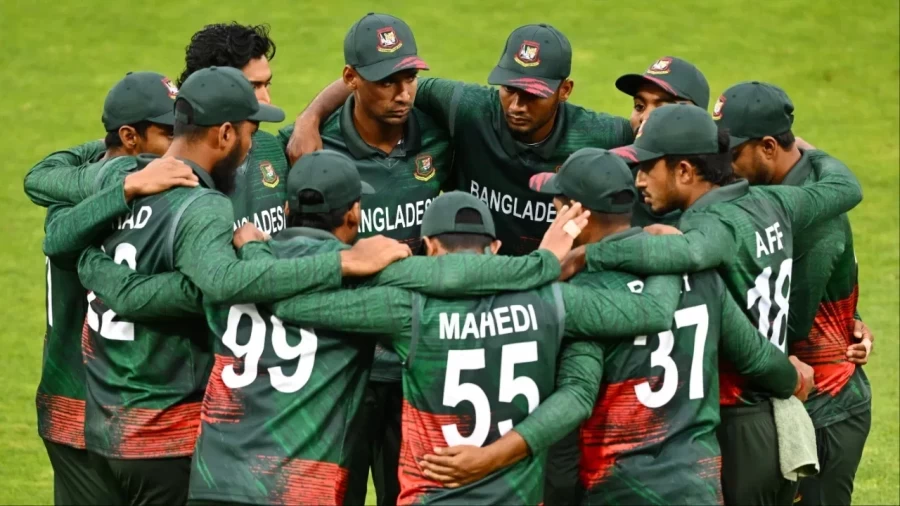
T20 World Cup: Bangladesh Remains Adamant on Venue Change Despite ICC Rejection, Cites 'Insult' by India The cricketing world is witnessing a unique standoff as Bangladesh continues to insist on changing its T20 World Cup 2026 venues, despite the International Cricket Council (ICC) having already rejected its demand. The Bangladesh Cricket Board (BCB), advised by its Sports Advisor Dr. Asif Nazrul, is preparing for another attempt to persuade the global cricketing body, emphasizing that the issue transcends mere security concerns and touches upon the nation's dignity. This persistent demand highlights a growing tension surrounding the upcoming global tournament, creating a complex situation for all parties involved.
The Genesis of Bangladesh's Demand for Venue Change
The controversy began when Bangladesh, as per the T20 World Cup 2026 schedule, was slated to play four of its group stage matches in India, specifically in the bustling cities of Kolkata and Mumbai, while this allocation of venues became a point of contention for the Bangladesh Cricket Board. Following an incident involving Bangladeshi cricketer Mustafizur Rahman's exclusion from the Indian Premier League (IPL), which seemingly fueled underlying sentiments, the Bangladesh Cricket Board formally communicated its concerns to the ICC. The BCB, acting on the counsel of its prominent Sports Advisor, Dr. Asif Nazrul, requested a change of venues, proposing that their matches be shifted to Sri Lanka, which is also a co-host for the tournament. This initial request was rooted in perceived security issues for their players while in India, a sentiment that has since evolved to encompass broader national pride and a sense of perceived disrespect.
ICC's Firm Rejection and Bangladesh's Dissatisfaction
The International Cricket Council, after carefully reviewing Bangladesh's request and considering the logistical complexities involved in altering a major tournament schedule, issued a clear response, rejecting the demand for venue changes. The ICC informed the BCB that the matches would proceed as per the established schedule, indicating a firm stance against alterations to the pre-determined arrangements. However, this rejection has not deterred Bangladesh from its position. Dr. Asif Nazrul articulated Bangladesh's profound dissatisfaction with the ICC's response, stating that it appeared the ICC wasn't fully cognizant of the security issues faced by Bangladeshi cricketers in India. He further escalated the matter by asserting that the situation had evolved beyond a simple security concern, transforming into an issue of significant national dignity for Bangladesh.
A Question of National Dignity and Perceived 'Insult'
Dr. Asif Nazrul's statements have brought a new and more sensitive dimension to the ongoing dispute. He explicitly stated, "I think this isn't just a security issue but has also become a matter of national dignity, while india has insulted Bangladesh. " This strong assertion suggests that Bangladesh feels deeply slighted, and the perceived slight is now a central component of their argument, moving beyond purely logistical or security-based concerns. While the specific details of the 'insult' aren't fully elaborated in the provided text, the timing of. The demand, following Mustafizur Rahman's IPL exit, strongly implies a connection between that event and the current sentiment. Bangladesh views the situation not merely through the lens of player safety but as a direct challenge to its national pride and standing in the global cricketing community.
The Preference for Sri Lanka as a Viable Alternative Venue
Bangladesh's unwavering insistence on playing its T20 World Cup matches in Sri Lanka is a key and consistent aspect of their demand, while dr. Nazrul reiterated, "We want to play cricket, while we want to play the World Cup, but not in India, but in Sri Lanka, which is another venue for the tournament. " This preference stems from a deeply held belief that Sri Lanka offers a more conducive and secure environment, both in terms of player safety and perhaps a more respectful and welcoming atmosphere, compared to the designated Indian venues of Kolkata and Mumbai. The fact that Sri Lanka is already a co-host for the tournament makes this alternative seem logistically more feasible and less disruptive from Bangladesh's perspective, thereby strengthening their argument for a venue shift.
Bangladesh's Unwavering Resolve to Convince the ICC
Despite the ICC's initial and unequivocal rejection, Bangladesh remains remarkably resolute in its stance. Dr. Asif Nazrul emphasized that Bangladesh is "not in the mood to compromise" on this critical issue, highlighting the depth of their commitment, while he underscored that the matter involves not only the immediate safety of their players but also the broader security of Bangladesh as a cricketing nation and its overall international dignity.
The sports advisor expressed a strong sense of confidence in their ability to sway the ICC, stating, "We're still firm on our stand because we believe that on this issue, we will succeed in explaining and convincing the ICC. " This declaration indicates that Bangladesh is prepared to engage in further solid dialogue and present its case with renewed vigor and. Persuasive arguments, holding out hope that their persistent efforts will eventually lead to a reconsideration and reversal of the ICC's initial decision. This ongoing and public dispute between Bangladesh and the ICC carries significant implications for the. Broader landscape of international cricket, particularly concerning the hosting and management of major multi-nation tournaments.
Such disagreements, especially when they involve deeply felt concerns about national dignity and player security, can complicate future planning, venue allocations, and diplomatic relations within the cricketing fraternity. The manner in which the ICC ultimately handles this unique situation will undoubtedly set a crucial precedent for how similar concerns or demands from other member nations might be addressed in the future, while it underscores the delicate and often complex balance between strict logistical planning, solid security protocols, and the inherent diplomatic sensitivities involved in organizing and executing global sporting events. The cricketing world will be closely watching to see how this unique standoff ultimately resolves, and whether Bangladesh's persistent efforts will eventually lead to a reconsideration by the International Cricket Council, potentially reshaping aspects of future tournament hosting strategies.
