

- India,
- 05-Apr-2026 09:28 AM IST


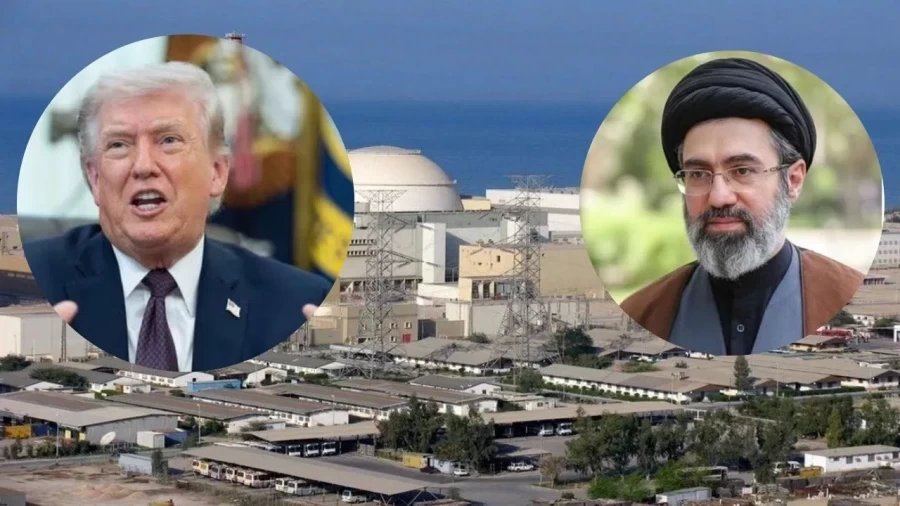
Recent military strikes by US and Israeli forces on Iran's Bushehr nuclear power plant, located on the southern coast of the country, have brought the Middle East conflict to a critical juncture. According to official reports, this marks the fourth attack on the nuclear facility within a single month. These military actions have not only challenged regional security but have also raised significant international alarms regarding a potential nuclear catastrophe. Experts suggest that the conflict has moved beyond conventional military targets, posing risks to global oil and gas supply chains and environmental safety, while the Bushehr plant is a cornerstone of Iran's energy infrastructure, and the repeated strikes have drawn intense scrutiny from the global community.
Escalation of Strikes on Bushehr Nuclear Facility
The recent wave of attacks on the Bushehr nuclear power plant has intensified technical and safety concerns. Officials state that this is the fourth time in thirty days that the facility has been targeted. While the Atomic Energy Organization of Iran has maintained that the plant's safety systems remain operational, the frequency of the strikes increases the probability of structural damage, while the International Atomic Energy Agency (IAEA) has confirmed the incidents, with Director General Rafael Grossi emphasizing that nuclear sites must never be targets in military conflicts. Current monitoring reports indicate no immediate spike in radiation levels, but the persistent threat to sensitive components like the reactor core and cooling systems remains a primary concern for international observers.
Regional Implications and Warnings from Iranian Officials
Iranian Foreign Minister Abbas Araghchi has issued a stern warning regarding the potential fallout of these attacks. He stated that if a direct hit on the Bushehr plant leads to a radioactive leak, the consequences won't be confined to Tehran or Iranian territory. According to Araghchi, due to geographical proximity and prevailing wind patterns over the Persian Gulf, radioactive particles could reach the capitals of the Gulf Cooperation Council (GCC) member states. Such a scenario would trigger a massive health and environmental crisis across the entire region. Iranian officials have criticized the IAEA for what they term as 'inactivity' and have called for more solid international intervention to secure nuclear installations from military aggression.
Technical Risks of Radiation Leaks in Conflict Zones
Nuclear experts point out that during a conflict, the greatest danger often stems from an accidental disaster at a functional nuclear plant rather than the use of nuclear weapons. If a missile or drone were to strike critical infrastructure such as the cooling systems, spent fuel pools, or the reactor core, it could lead to a large-scale release of radioactive materials. Such a leak could contaminate air and water supplies for hundreds of kilometers. Given Bushehr's location on the coast, the marine ecosystem of the Persian Gulf is particularly vulnerable. Radioactive elements could be carried by ocean currents, affecting desalination plants and marine life across the Gulf, which would have devastating impacts on the region's water security and economy.
Iranian Counter-Strikes Targeting Israel's Dimona Research Center
The cycle of escalation isn't limited to Iranian soil. Reports indicate that Iran has also attempted to target Israel's Dimona Nuclear Research Center in the Negev Desert. In late March, Iranian missiles reportedly landed within a few kilometers of the Dimona facility. Dimona is considered Israel's most critical nuclear research site. Experts warn that a successful strike on such a facility could lead to a disaster of immense proportions due to the presence of nuclear materials. These retaliatory actions demonstrate that both sides are utilizing nuclear infrastructure as a point of strategic use, a development that poses an existential threat to the stability of the entire Middle East.
Parallels with the Zaporizhzhia Nuclear Power Plant Crisis
The Iranian Foreign Ministry has drawn parallels between the situation at Bushehr and the ongoing crisis at the Zaporizhzhia Nuclear Power Plant (ZNPP) in Ukraine, while during the Russia-Ukraine conflict, ZNPP has been subjected to multiple strikes, leading to global fears of a nuclear meltdown. International observers at ZNPP have documented missile and drone debris at the site, highlighting a blatant disregard for nuclear safety protocols. Both the Bushehr and Zaporizhzhia cases illustrate that modern warfare increasingly endangers nuclear energy infrastructure, while while international laws and the Geneva Conventions prohibit attacks on nuclear facilities, the current geopolitical climate shows a concerning trend of these rules being bypassed, further destabilizing global energy markets and regional safety.
