
- India,
- 18-Nov-2026 04:55 PM IST
- (Updated 18-Nov-2026 04:55 PM IST)



In a significant and firm legal stance, the Supreme Court has made it clear that a stay on conviction can't be sought solely for the purpose of fulfilling electoral ambitions, political aspirations, or to suit a political calendar for contesting upcoming elections. The apex court has issued a strong warning, stating that courts can't permit the exercise of their legal powers to accommodate political agendas or the demands of election campaigns under any circumstances.
Observations by the Bench of Justice Dipankar Datta and Justice Augustine George Masih
This crucial observation was made by a Supreme Court bench comprising Justice Dipankar Datta and Justice Augustine George Masih, while the bench stated in unequivocal terms that any petition seeking a stay on conviction purely on the grounds of political gains, electoral ambitions, or the necessity of participating in election campaigns would be outrightly rejected. The judiciary emphasized that the process of law and justice can't be subjugated to political activities or electoral timelines.
Emphasis on Careful Exercise of Judicial Discretion
The Supreme Court further stressed in its judgment that the judicial discretion required to grant a stay on conviction must be exercised with extreme caution, vigilance, and responsibility. According to the court, this balancing act requires weighing, on one hand, the irreparable damage and injury caused to an individual's reputation and dignity, and on the other hand, the sanctity and gravity of a conviction handed down by a competent court of law.
Supreme Court's Stance on Article 21 of the Constitution
Discussing the implications in light of Article 21 of the Constitution, the Supreme Court noted that the conviction of an individual in a criminal case immediately and severely impacts their fundamental and constitutional right to live with human dignity under Article 21. The court highlighted that judicial discretion permitted under Section 389(1) of the Code of Criminal Procedure (CrPC) must be carefully applied. This careful application is necessary to strike a balance between the serious, irreversible consequences of conviction for the convict and the inherent sanctity attached to a conviction until it's overturned in an appeal or revision petition.
Dismissal of the Uttar Pradesh Government's Appeal
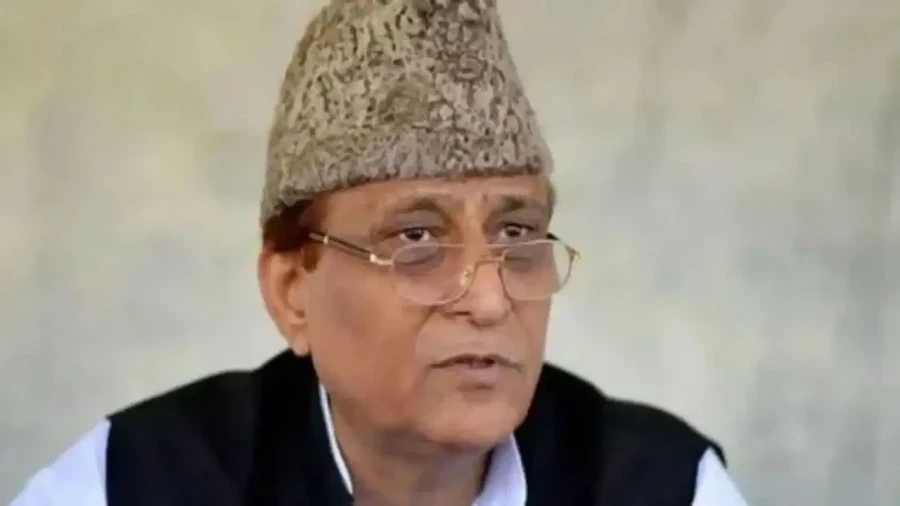
These comprehensive observations and directives from the Supreme Court came while dealing with appeals related to Mohammed Abdullah Azam Khan, the son of former Uttar Pradesh minister Azam Khan, and his wife, Dr, while tazeen Fatma. In this context, the Supreme Court dismissed the appeal filed by the Uttar Pradesh government, which had challenged the High Court's order staying the conviction in the matter. This ruling has further reinforced the clear boundaries between judicial scrutiny of convictions and opportunistic political endeavors.